Death & Mythology: How Ancient Beliefs Still Haunt Cemeteries
Cemeteries are far more than manicured lawns dotted with headstones—they’re open-air museums of humanity’s oldest obsessions. Walk through any graveyard, from a sun-drenched Mediterranean necropolis to a fog-soaked Gothic churchyard, and you’ll see something astonishing: traces of ancient mythologies woven into modern burial practices. But why? Why do symbols, gods, and supernatural fears from millennia ago still sculpt the ways we bury our dead?
The short answer? Humans don’t change nearly as much as we pretend. Death still terrifies us, fascinates us, and forces us to invent stories—cosmic, dramatic, sometimes comical stories—to make sense of it. In cemeteries, those stories don’t disappear; they fossilise.
In this article, we’ll explore how mythological beliefs—from Greek and Egyptian to Norse and Indigenous cosmologies—continue to haunt cemeteries today. And yes, “haunt” is the correct word. Mythology never really died; it simply adapted and learned to dress like a marble angel.
Contents
- The Persisting Shadow of Ancient Mythologies
- Greek & Roman Echoes: Why Modern Cemeteries Still Whisper About Hades
- Egyptian Afterlife Ideology: Where Cemeteries Become Miniature Temples
- Norse Mythology: Warriors, Valhalla, and the Romance of the Honourable Death
- Indigenous Beliefs: Cycles, Spirits, and Land as Ancestral Memory
- Christianity’s Mythological Borrowing: Not as Original as It Thinks
- Why Mythology Still Shapes Modern Cemeteries
- The Cemetery as a Mythological Archive
- Bottom Line
- FAQs
The Persisting Shadow of Ancient Mythologies
Mythology as Humanity’s First Attempt at Customer Service for the Afterlife
Before funeral homes, grief counsellors, and online memorial pages, people sought explanations from mythology. After all, who wouldn’t want a hotline to the gods when dealing with The Big Unknown?
Myths offered reassurance: “Don’t worry, you won’t simply cease to exist—you’re going somewhere.” And so burial rituals, grave goods, and tomb architecture became extensions of mythological narratives. These practices were not just spiritual; they were logistical. If you were headed to the underworld, you’d want a smooth trip.
Fast-forward thousands of years, and the myths linger beneath the polished stone. Even if we don’t always recognise the symbols, they’re there—echoing old promises and ancient fears.
Greek & Roman Echoes: Why Modern Cemeteries Still Whisper About Hades
Coins for Charon and the Price of Passage
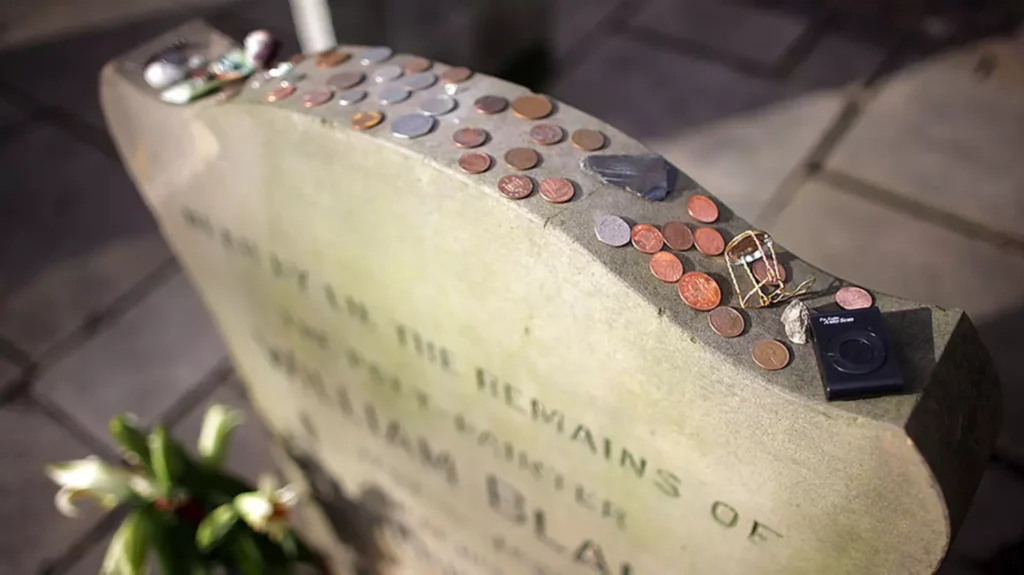
Ancient Greeks believed that the soul needed to pay Charon—the underworld’s grumpiest ferry operator—to cross the River Styx. Without a coin, you wandered the shores forever. Today, grave coins still appear across cemeteries worldwide.
Are people consciously honouring Charon? Probably not. But the behaviour persists because the old idea stuck: nobody wants a loved one to be stranded in eternity without bus fare.
Winged Figures: From Hermes Psychopompos to Victorian Angels
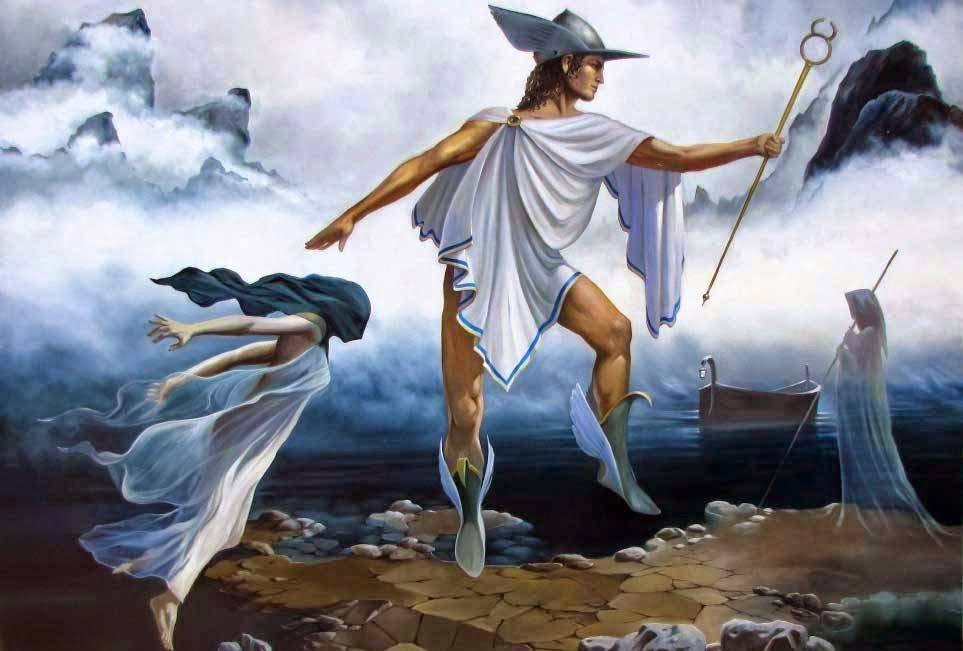
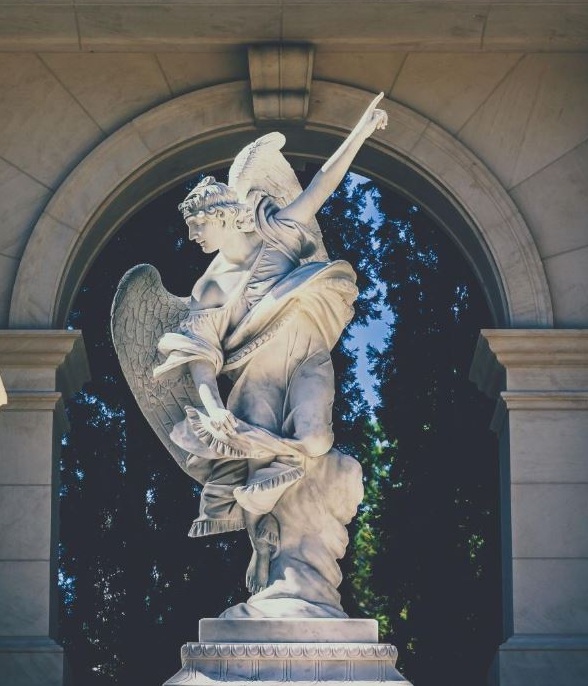
Hermes Psychopompos guided souls to the underworld—a job that Victorian artists gleefully repackaged into the angelic statues we see today. Those soft-faced, feathery beings? They’re mythology with a Christian rebrand. Their pose—arm outstretched, one foot slightly lifted—is pure psychopomp tradition: guiding, accompanying, escorting.
Cypress Trees: Hades Approved Landscaping
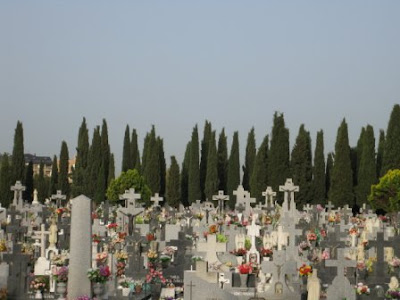
Why do cemeteries love cypress trees? Because the ancient Greeks associated them with Hades, mourning, and the permanence of death. The trees don’t regenerate if cut, symbolising finality. Today, cemetery architects still plant them, often without realising they’re honouring a horticultural nod to the god of the dead.
Egyptian Afterlife Ideology: Where Cemeteries Become Miniature Temples
Tombs as Portals
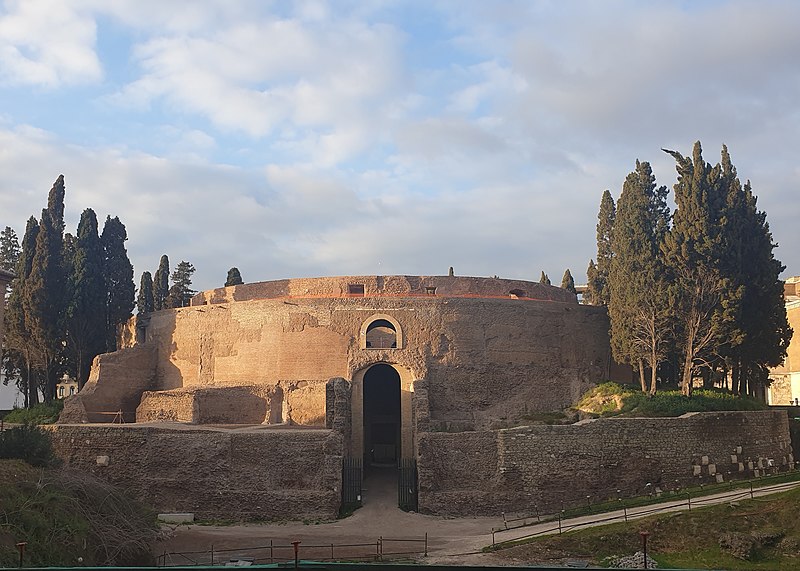
The Egyptians believed tombs were not mere resting places but “houses for eternity.” Sound familiar? Modern mausoleums—especially the grand ones—echo this idea. Their layout, symmetry, and even the habit of leaving offerings (flowers, letters, trinkets) parallel ancient rituals meant to nourish the soul.
The Weighing of the Heart Lives On
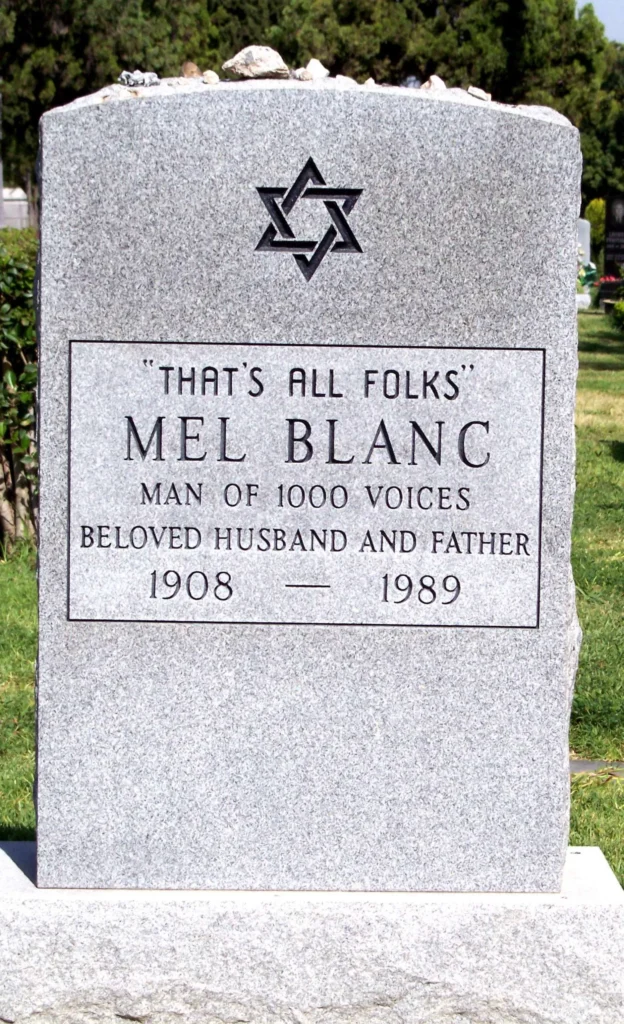
While you won’t find Anubis standing around with a literal scale in modern cemeteries (though imagine the tourism benefits), the symbolic language of judgement persists. Tomb inscriptions that proclaim virtues—“beloved father,” “kind soul,” “eternally remembered”—are subtle descendants of the Egyptian obsession with moral worth as the key to a peaceful afterlife.
Scarabs, Suns, and Serpents
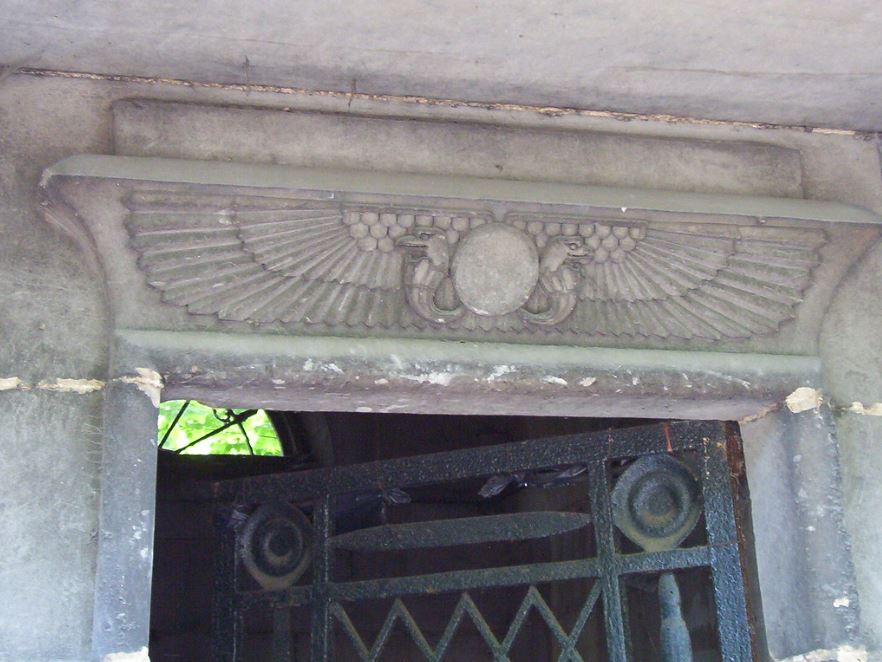
Egyptian mythological motifs—scarabs for rebirth, serpents for protection, suns for eternal cycles—still appear in funerary art. Victorian gravestones especially loved solar discs and winged symbols borrowed straight from Egyptian cosmology. They just removed the hieroglyphics to avoid confusing anxious parishioners.
Norse Mythology: Warriors, Valhalla, and the Romance of the Honourable Death
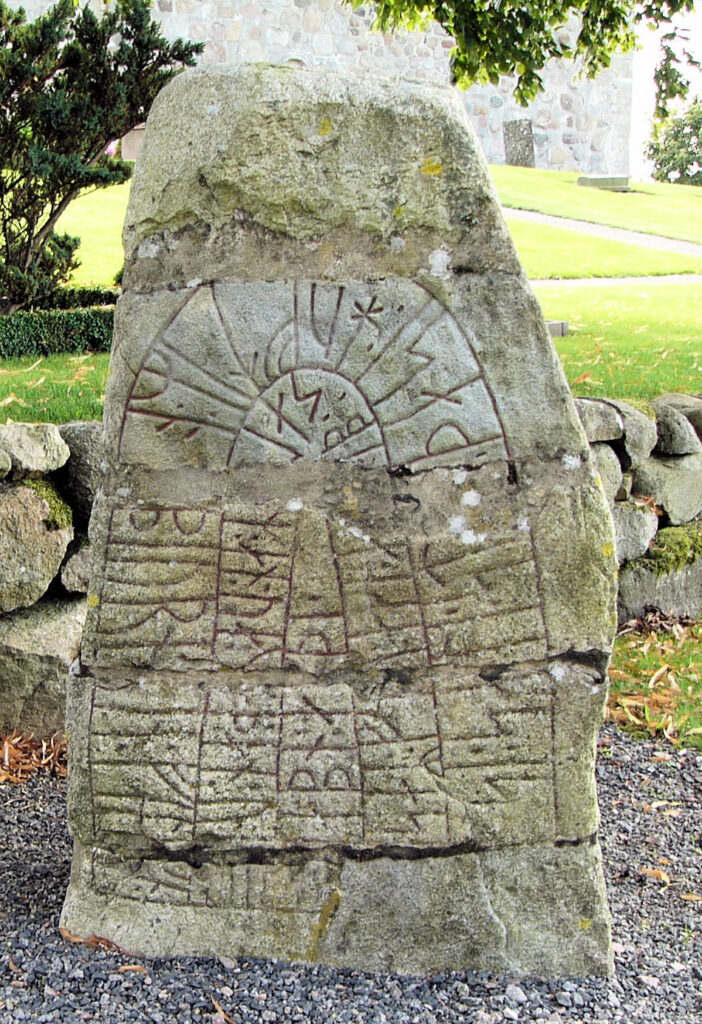
The Afterlife as Adventure
While Greeks feared the underworld’s bureaucracy and Egyptians obsessed over paperwork for eternity, the Norse treated death like an upgrade—a one-way ticket to Valhalla or the peaceful fields of Folkvangr. This belief still shapes Scandinavian burial symbolism.
Modern grave markers with runes, knotwork, or swords evoke the heroic ideal: face death with honour, live on through memory, and enjoy eternal feasting (preferably with plenty of mead).
Burial Mounds and the Mythic Landscape
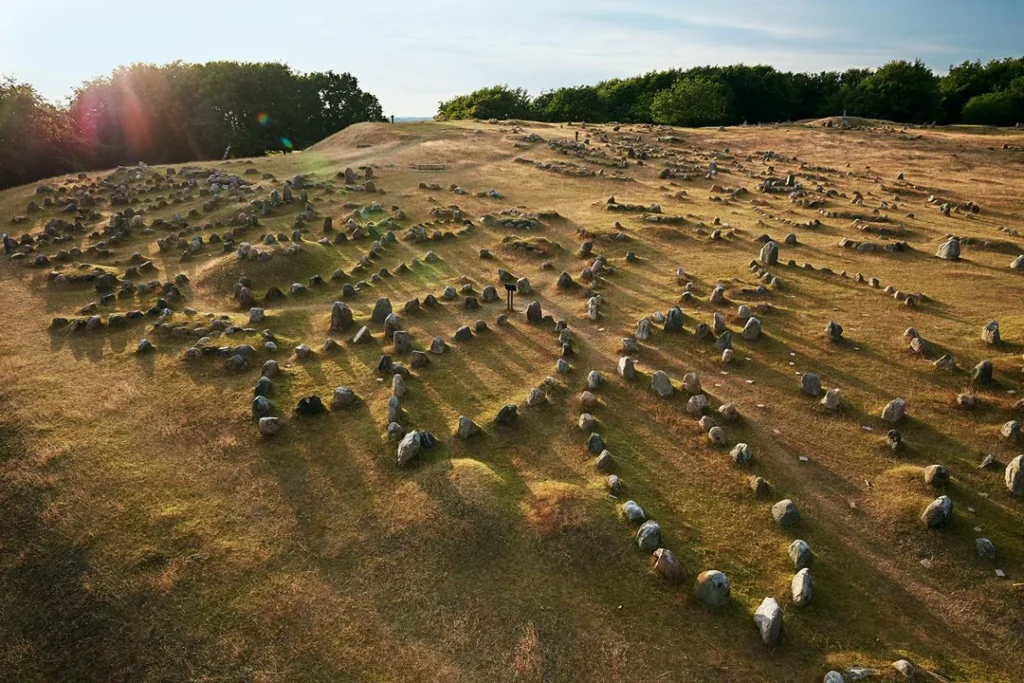
Norse burial mounds weren’t just graves; they were portals—thresholds between realms. Today’s landscaped earth-covered tombs, frequently found in eco-cemeteries, unintentionally imitate these ancient mounds.
The symbolism of returning to the earth—quite literally—is one of the most enduring mythological legacies in modern green burials.
Indigenous Beliefs: Cycles, Spirits, and Land as Ancestral Memory
The Cemetery as a Living Ecosystem
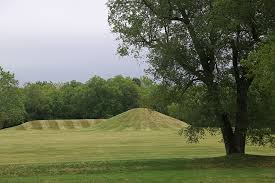
Many Indigenous cosmologies view death as a transformation, not an ending. Instead of a soul departing to a far-off location, the spirit remains within the land, the community, or the natural world. This worldview shapes a growing trend: natural burials.
Eco-cemeteries, rewilded graveyards, and forest burials reflect Indigenous traditions that respect the environment as a sacred space filled with ancestral presence. The grave becomes less a monument and more a point in a cycle.
Totemic and Symbolic Markers
Symbolic carvings—birds, animals, celestial motifs—appear on gravestones as echoes of Indigenous spiritual connections. Many people choose these symbols today for aesthetic reasons, unaware they tap into mythologies that view nature as a bridge between the earthly and spirit realms.
Christianity’s Mythological Borrowing: Not as Original as It Thinks
Angels, Demons, and the Recycled Imaginary
Christian funerary art borrows generously from older mythologies. Angels? Greek psychopomps with a glow-up. Demons? Reinterpreted pagan spirits. Even the Christian heaven shares similarities with earlier paradisal realms found in Mesopotamian, Zoroastrian, and Mediterranean mythologies.
The Cross and the Cosmic Axis
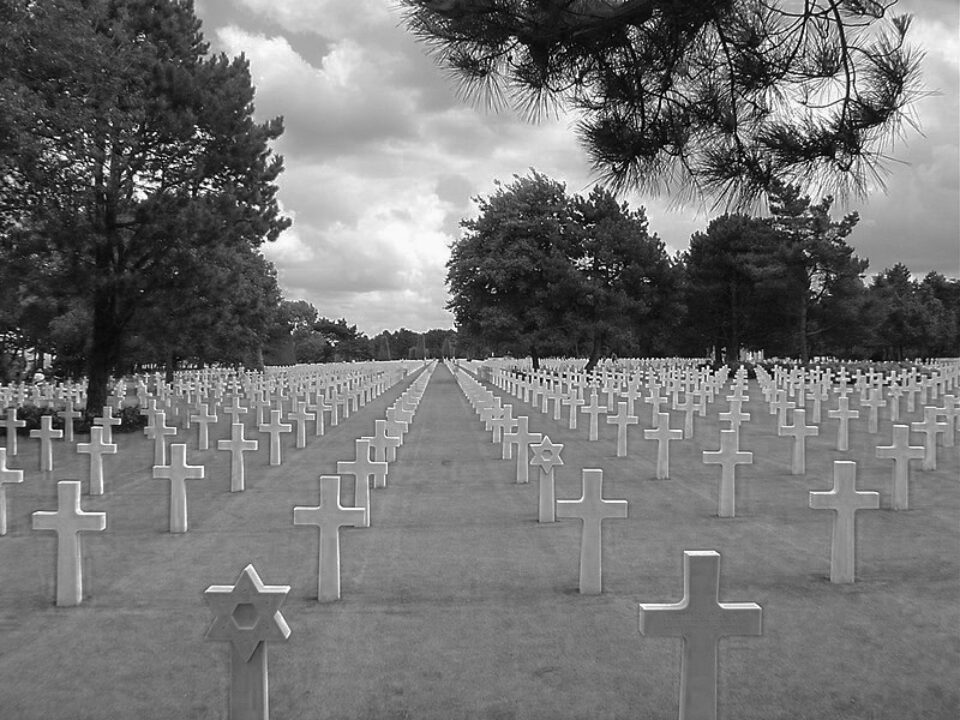
The cross, symbolising the connection between earth and sky, mirrors the ancient Axis Mundi concept—a world tree or cosmic pillar uniting realms. Cemeteries featuring towering crosses unconsciously echo mythological imagery of vertical pathways to the divine.
Resurrection Imagery and the Phoenix Legacy
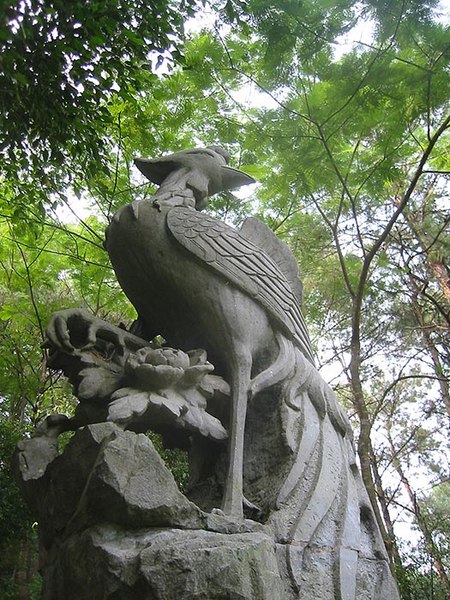
The phoenix, a bird symbolising rebirth long before Christianity adopted resurrection narratives, appears subtly in grave symbolism—flames, birds, rising suns—visual metaphors for renewal that stretch back to Persia, Greece, and Egypt.
Why Mythology Still Shapes Modern Cemeteries
Because Death Needs Context
Humans cling to meaning, especially in moments when meaning feels most fragile. Mythology offers a narrative that transforms death from a void into a story. Cemeteries are the physical manifestation of that narrative—a place where symbols transform fear into comfort.
Because Symbols Outlive Their Stories
Even when people forget the stories behind a symbol, the symbol itself continues its work. A winged angel may no longer remind visitors of Hermes Psychopompos, but its comforting role remains intact. Mythology becomes cultural muscle memory.
Because Ritual Is Easier Than Reinvention
Societies rarely invent new death rituals from scratch. Instead, they adapt, remix, and rebrand old practices. Cemeteries function like archaeological palimpsests—layer upon layer of beliefs accumulated through time.
The Cemetery as a Mythological Archive
Symbolism as Silent Storytelling
Every tombstone is a narrative in shorthand—a set of symbols whispering beliefs about the afterlife, the soul, and the meaning of life. From lambs (innocence) to Ouroboros rings (eternity) to lotus flowers (rebirth), cemeteries function as libraries of myth, even when the “readers” don’t realise they’re browsing ancient literature.
Architecture as Ritual Continuity
Mausoleums mirror ancient temples. Obelisks reflect Egyptian sun worship. Garden cemeteries mimic classical Elysian landscapes. Even modern minimalist cemeteries often trace their aesthetic lineage to Enlightenment ideas about rationality, nature, and symbolic purity.
The Mythological Future of Cemeteries
As eco-burials, digital memorials, and biodegradable urns become more common, a new mythology is forming—one centred on sustainability, continuity with nature, and digital immortality. In other words, the old gods are getting a software update.
Bottom Line
Ancient mythologies may seem like relics of a distant past, but in cemeteries, they’re alive and well—etched in stone, rooted in landscaping, and embedded in rituals we rarely question.
These myths give us continuity, comfort, and context. They remind us that humanity has always negotiated with death using symbols, stories, and elaborate acts of meaning-making.
So the next time you walk through a cemetery, don’t just look at the graves. Look at the myths hiding in plain sight.
Leave a Reply