How Different Philosophies Influence Burial Practices
How a society buries its dead is never accidental. Burial practices are philosophical fingerprints—quiet, material expressions of how humans understand life, death, the soul, memory, and time. Whether a body is preserved, burned, exposed, composted, or dissolved, the method tells a story long before any epitaph does.
Philosophy, in this sense, is not confined to dusty texts or abstract debates. It is lived. It shapes ritual, architecture, law, landscape, and even soil composition. Cemeteries, crematoria, ossuaries, and burial forests are philosophical arguments written in stone, ash, and earth.
So let’s ask the obvious question: Why do different cultures bury differently? The answer lies in how they answer deeper questions—What is the self? What happens after death? Does the body matter? Is memory personal, collective, or irrelevant?
Let’s walk through the major philosophical frameworks that continue to influence burial practices across cultures and centuries.
Contents
- Dualism: When the Body Is a Temporary Vessel
- Materialism: When Death Is the End of the Line
- Existentialism: When Death Gives Life Its Urgency
- Eastern Philosophy: Cycles, Not Endings
- Stoicism: Dignity Without Drama
- Indigenous Worldviews: Belonging to the Land
- Postmodernism: Questioning the Cemetery Itself
- Capitalism and Consumer Philosophy: Death as a Product
- Bottom Line
- FAQs
Dualism: When the Body Is a Temporary Vessel
Dualism—most famously articulated by Plato and later absorbed into Christian theology—separates body and soul. The body is mortal, imperfect, and disposable. The soul is eternal and true.
This worldview profoundly shaped Western burial traditions.
Burial as Waiting, Not Finality
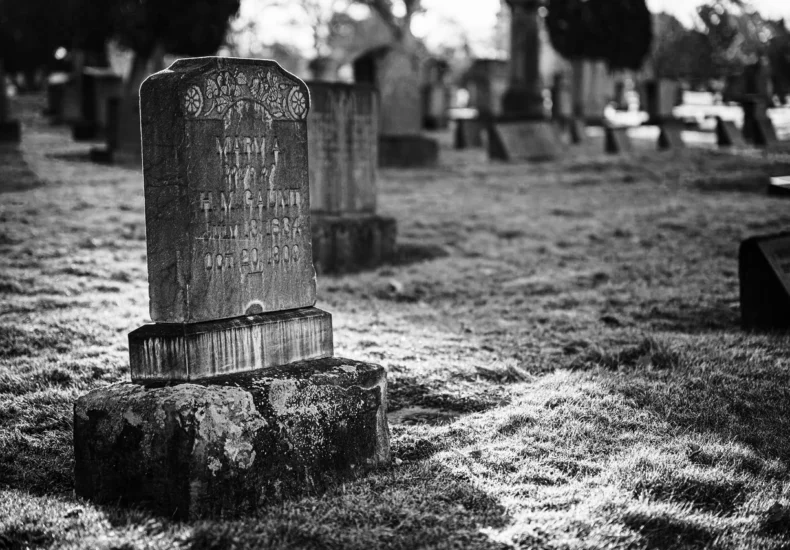
In Christian dualism, burial is not the end—it is a pause. The body is laid to rest while the soul ascends, awaiting resurrection. This explains why traditional Christian cemeteries emphasise orientation (graves facing east), permanence, and individual markers. The body matters enough to be preserved, but not enough to worship.
Cemetery Architecture as Theology
Mausoleums resemble miniature temples because the grave is not merely a disposal site—it is a promise. Crosses, angels, and inscriptions proclaim continuity beyond death. The cemetery becomes a liminal space, halfway between earth and heaven.
Dualism doesn’t deny death; it domesticates it.

Materialism: When Death Is the End of the Line
Materialist philosophy rejects metaphysics altogether. There is no soul, no afterlife, no cosmic ledger. Consciousness ends when the brain stops.
If that sounds bleak, burial practices shaped by materialism are surprisingly pragmatic—and often liberating.
Efficiency Over Eternity
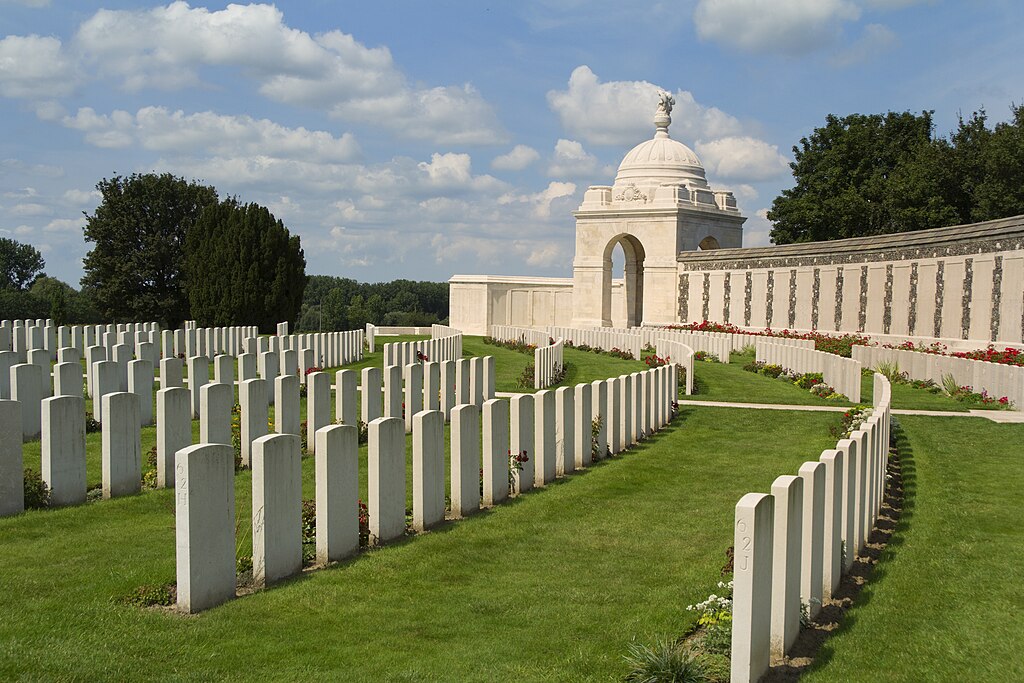
In materialist societies, the body is biological matter, not sacred essence. Cremation, mass graves, and minimalist burials become acceptable, even preferable. Why preserve what no longer functions?
This philosophy heavily influenced secular Europe, Soviet burial policies, and modern urban planning, where land scarcity and public health outweigh sentimentality.
Memory Over Monument
Without belief in an afterlife, meaning shifts to the living. Memorials focus on collective remembrance rather than eternal resting places. Think war memorials without bodies, ashes scattered anonymously, or digital legacies replacing tombstones.
Here, the dead do not wait—they conclude.
Existentialism: When Death Gives Life Its Urgency
Existentialist thinkers like Heidegger, Sartre, and Camus reframed death not as a passage, but as a boundary. Death is what gives life its intensity, its responsibility, its urgency.
Burial practices influenced by existentialism emphasise individual choice and authentic expression.
Personalised Death
From unconventional epitaphs to bespoke funerals, existentialist influence encourages people to curate their own exit. The grave becomes less about tradition and more about truth. No angels if you didn’t believe in them. No scripture if it meant nothing to you.
Ashes, Not Altars
Cremation aligns neatly with existential thought—no shrine, no promise, no illusion. Ashes are scattered where life was lived, not where theology demands.
Existential burial doesn’t console. It clarifies.
Eastern Philosophy: Cycles, Not Endings
Eastern philosophies—particularly Hinduism, Buddhism, and Taoism—reject linear narratives of life and death. Instead, existence is cyclical. Birth and death are transitions, not opposites.
This radically alters burial practices.
Cremation as Liberation
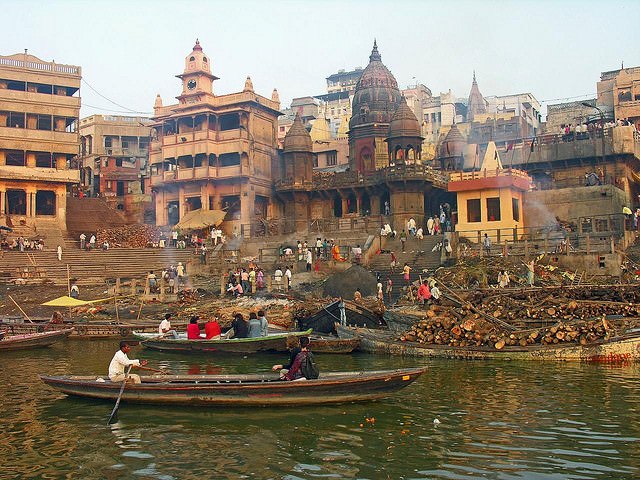
In Hinduism, cremation frees the soul (atman) from the physical body, allowing it to move toward rebirth or liberation (moksha). Rivers, especially the Ganges, are not burial grounds but metaphysical highways.
Impermanence Made Visible
Buddhist burial practices reflect the doctrine of impermanence (anicca). The body is temporary. Attachment causes suffering. Simplicity is ethical.
In some traditions, bodies are exposed to the elements—not as disrespect, but as radical acceptance of transience.
Eastern philosophy does not fear decay. It expects it.
Stoicism: Dignity Without Drama
Stoicism offers a refreshingly unsentimental approach to death. Death is natural, inevitable, and beyond control. Emotional excess is unnecessary. What matters is how one lives—not how one is buried.
Simplicity as Virtue
Stoic-influenced burials favour modesty. No excessive mourning. No grand monuments. The body returns to nature quietly, efficiently.
Roman Stoics often preferred cremation, seeing the body as irrelevant once life had ended. The self was defined by virtue, not remains.
In Stoicism, burial is not symbolic—it is procedural.
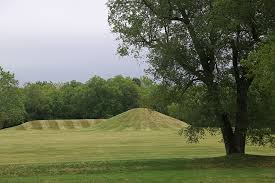
Indigenous Worldviews: Belonging to the Land
Many Indigenous philosophies reject human exceptionalism altogether. Humans are not separate from nature; they are part of it.
Burial practices here emphasise integration, not preservation.
Returning, Not Resting
Bodies are placed directly into the earth, wrapped in natural materials, without barriers between flesh and soil. The goal is not remembrance through monuments, but continuity through ecology.
Ancestral Presence
Rather than separating the dead into designated spaces, ancestors remain embedded within the landscape. The land remembers so humans don’t have to.
This philosophy makes modern green burial movements look less innovative and more like a return.
Postmodernism: Questioning the Cemetery Itself
Postmodern philosophy distrusts grand narratives—including religious doctrine, nationalism, and even the idea of “proper” burial.
The result? Fragmentation, experimentation, and debate.
Alternative Deathscapes
From biodegradable urns that grow into trees to digital memorials and body composting, postmodern burial practices challenge the cemetery as an institution.
Why should the dead occupy space forever? Why should grief look the same for everyone? Why should tradition outrank sustainability?
Postmodernism doesn’t offer answers—it dismantles assumptions.
Capitalism and Consumer Philosophy: Death as a Product
Not all philosophy comes from thinkers. Some comes from markets.
In capitalist societies, burial practices are shaped by consumer choice, branding, and status signaling.
Luxury in the Afterlife
Designer coffins, premium plots, private mausoleums—death becomes one final performance of identity and class. Cemeteries mirror cities. Inequality doesn’t end at death; it ossifies.
Choice as Ideology
Capitalism reframes burial as personal freedom. You’re not constrained by belief—you’re constrained by budget.
Here, philosophy wears a price tag.
Bottom Line
Every grave is an argument. Every cemetery is a worldview made spatial. Whether bodies are preserved, erased, scattered, or recycled depends less on biology than belief.
Philosophy doesn’t end at death—it crystallises there. It shapes how we treat the body, how long we remember the individual, and whether we see death as failure, transition, release, or return.
Leave a Reply