
How Religion Influences Cemetery Symbolism: A Comparative Look
Walk through any cemetery long enough, and you begin to notice something curious—patterns. Repeated symbols. Familiar shapes. Angels here, crescents there, stones left carefully atop graves, flowers carved in eternal bloom. It almost feels like the dead are speaking. And in a way, they are.
But here’s the real question: who taught them this language?
Cemetery symbolism is not random decoration. It is a carefully constructed visual vocabulary, shaped—often decisively—by religion. Faith traditions do not merely dictate how we live; they influence how we die, how we are buried, and how we are remembered.
Think of cemeteries as open-air manuscripts. Each grave is a sentence. Each symbol, a word. And religion? Religion is the grammar holding it all together. So, let’s decode it.
Contents
- The Function of Symbolism: Why Graves Speak in Symbols
- Christian Symbolism: Redemption, Resurrection, and the Afterlife
- Islamic Symbolism: Simplicity, Unity, and Divine Order
- Jewish Symbolism: Memory, Continuity, and Sacred Simplicity
- Hindu Symbolism: Cycles, Liberation, and Cosmic Order
- Buddhist Symbolism: Impermanence and Enlightenment
- Secular and Modern Symbolism: Personalisation Over Doctrine
- Comparative Analysis: What Do These Symbols Really Tell Us?
- The Power of Symbols: Why They Still Matter
- Bottom Line
- FAQs
The Function of Symbolism: Why Graves Speak in Symbols
Before diving into specific religions, let’s pause. Why symbols at all?
Because death resists plain language.
How do you summarise a life in a few words—or worse, a few carvings in stone? Symbols step in where language falters. They condense belief systems, express hope, and project meaning beyond mortality.
A carved angel is not just decorative—it’s a theological statement. A cross is not merely a marker—it’s a promise. Even the absence of imagery can speak volumes.
In short, cemetery symbolism is belief made visible.
Christian Symbolism: Redemption, Resurrection, and the Afterlife
Christian cemeteries are perhaps the most symbolically rich—and the most widely recognised.
The Cross: The Ultimate Marker
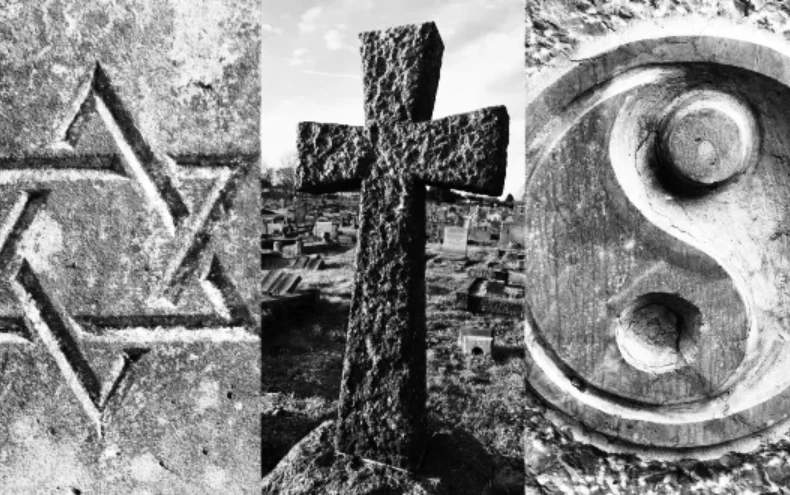
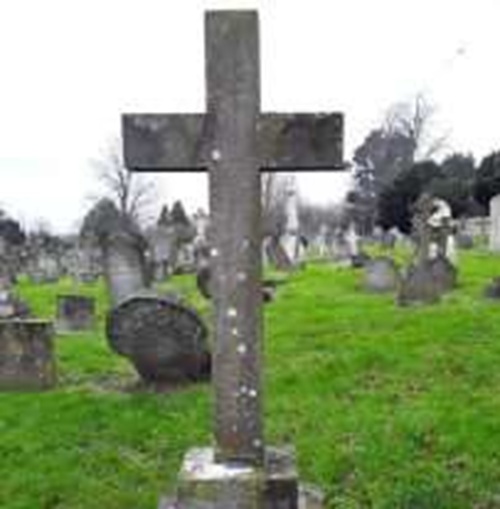
Let’s start with the obvious. The cross dominates Christian graves for a reason. It represents the crucifixion of Jesus Christ, but more importantly, it symbolises resurrection and eternal life.
Not all crosses are created equal, though. A Celtic cross, with its ring, hints at eternity. A Latin cross emphasises sacrifice. Subtle differences, profound meanings.
Angels: Messengers Between Worlds
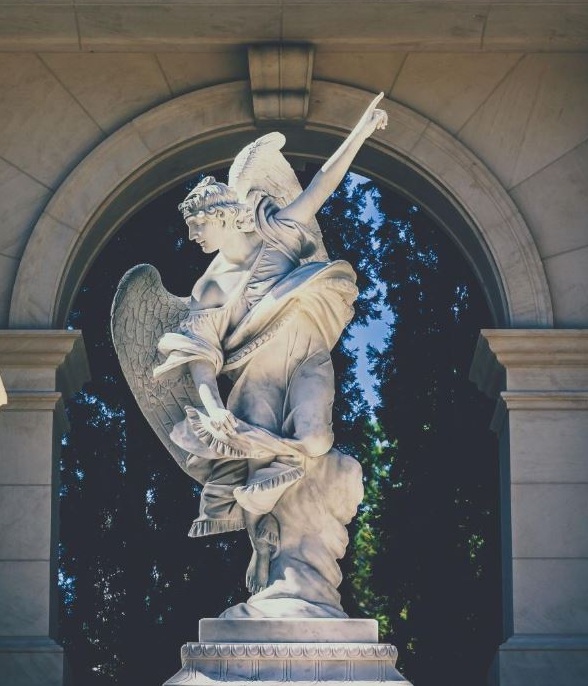
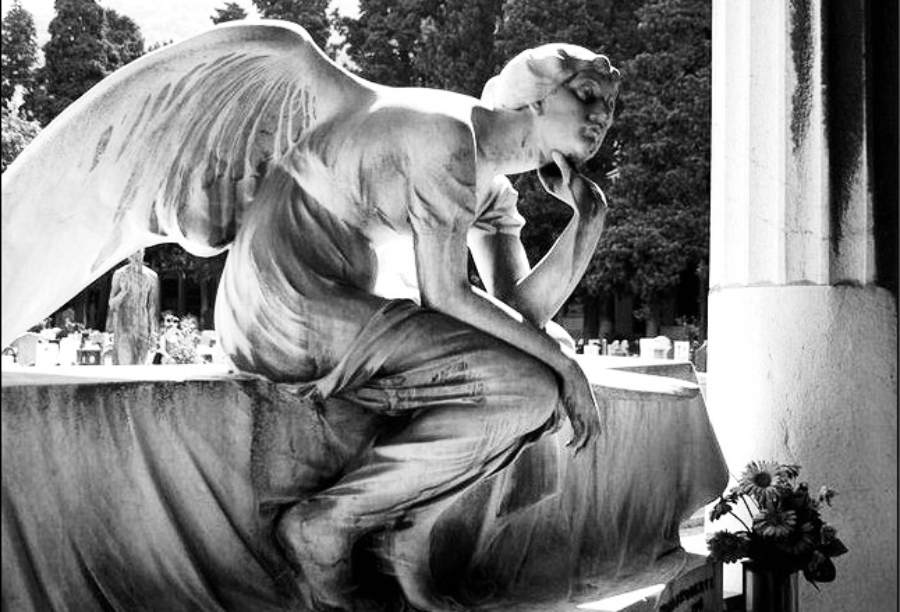
Angels populate Christian cemeteries like silent guardians. They guide souls, mourn the dead, and sometimes point heavenward—as if to say, “Not here. Look up.”
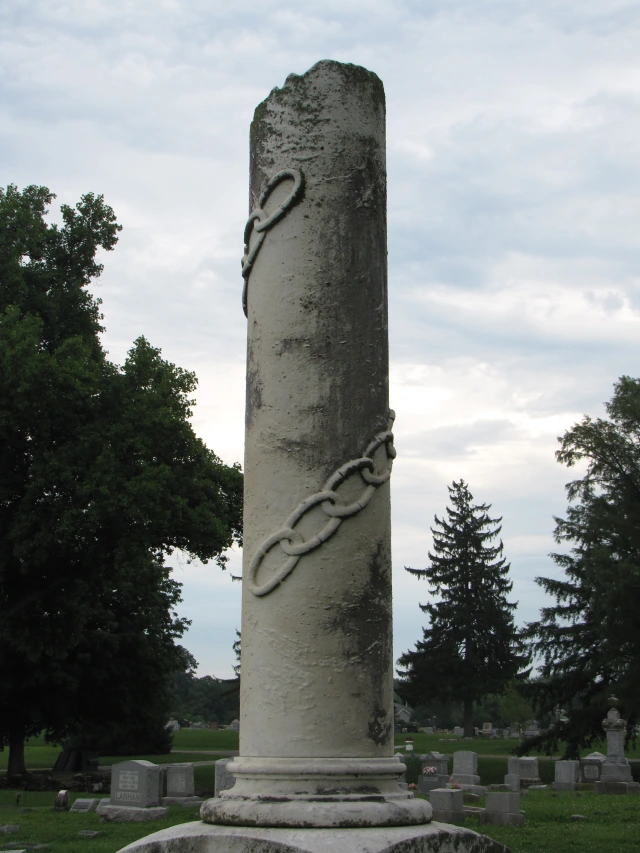
Broken Columns and Weeping Willows
A broken column often marks a life cut short. A weeping willow, with its drooping branches, symbolises mourning but also resilience. Grief, after all, bends—it rarely breaks.
Theological Takeaway
Christian symbolism is forward-looking. It leans heavily on the promise of an afterlife. Death is not an end—it’s a transition.
Islamic Symbolism: Simplicity, Unity, and Divine Order
In Islamic cemeteries, symbolism takes a different approach—one that is striking in its restraint.
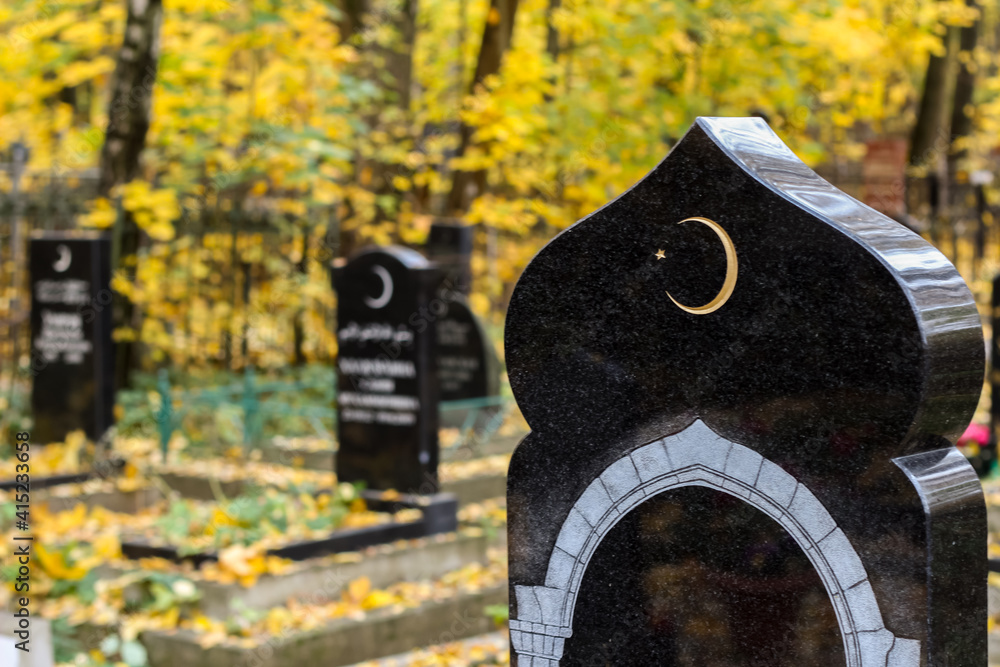
The Crescent and Star
While not universally present, the crescent and star are often associated with Islam. They symbolise guidance and divine light, though their use in cemeteries varies culturally.
Calligraphy Over Imagery
Islamic tradition generally discourages figurative imagery, especially in sacred contexts. Instead, graves may feature Quranic verses, beautifully inscribed.
Words replace images. Language becomes art.

Uniformity and Humility
Graves are often simple, aligned toward Mecca. The emphasis is not on individual display but on equality before God.
Theological Takeaway
Islamic cemetery symbolism reflects humility and submission. Death is a return—not a spectacle.
Jewish Symbolism: Memory, Continuity, and Sacred Simplicity
Jewish cemeteries speak in a quieter tone, but their symbolism is no less profound.
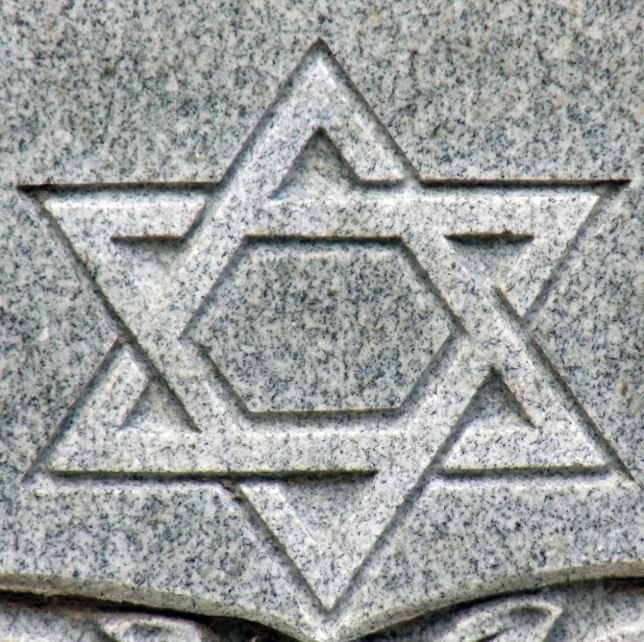
The Star of David
This six-pointed star is the most recognisable Jewish symbol, representing identity, faith, and divine protection.
Stones, Not Flowers
Visitors often leave small stones on graves. Why stones? Unlike flowers, they do not wither. They symbolise permanence—memory that endures.

Hands and Pitchers
A pair of hands in a specific gesture may indicate a descendant of the priestly class (Kohanim). A pitcher might signify a Levite. These symbols connect the deceased to ancient roles and traditions.
Theological Takeaway
Jewish symbolism emphasises remembrance and continuity. The focus is less on the afterlife and more on legacy.
Hindu Symbolism: Cycles, Liberation, and Cosmic Order
Hindu burial practices differ significantly—many adherents are cremated rather than buried. Yet where cemeteries or memorials exist, symbolism reflects core beliefs.
Om and the Lotus
The Om symbol represents the universe’s primordial sound. The lotus, emerging from mud yet blooming pure, symbolises spiritual awakening.
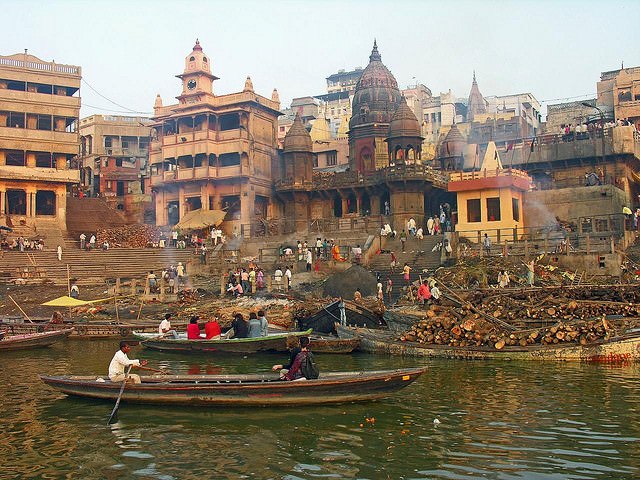
Cremation and Ashes
Rather than permanent graves, ashes are often scattered in sacred rivers. The absence of a grave becomes symbolic in itself—a rejection of permanence.
Theological Takeaway
Hindu symbolism revolves around cycles—birth, death, rebirth. Death is not a full stop; it’s a comma.
Buddhist Symbolism: Impermanence and Enlightenment
If Christianity emphasises eternity, Buddhism emphasises impermanence.
The Wheel of Dharma
This symbol represents the path to enlightenment. Its presence signals a journey—not a destination.

Lotus Flowers
Like in Hinduism, the lotus symbolises purity and spiritual growth. Rising above muddy waters, it mirrors the human quest for enlightenment.

Minimalism and Reflection
Buddhist graves tend to be understated. The focus is inward—on contemplation rather than display.
Theological Takeaway
Buddhist symbolism gently reminds us: everything changes. Even grief.
Secular and Modern Symbolism: Personalisation Over Doctrine
In contemporary cemeteries, religion is no longer the sole storyteller.
Individual Identity
You’ll find guitars, books, sports logos—symbols that reflect personal passions rather than religious doctrine.
Hybrid Symbols
A cross alongside a favourite quote. A Star of David paired with a modern sculpture. Boundaries blur.
Digital Extensions
QR codes on gravestones now link to online memorials. Yes, even memory has gone digital.
The Cultural Shift
Modern symbolism asks a different question: not “What did they believe?” but “Who were they?”
Cemetery Sculptures: The Stories Behind the Most Famous Memorials
The Language of Flowers on Gravestones: What Each Bloom Represents
Comparative Analysis: What Do These Symbols Really Tell Us?
So, what happens when we place these traditions side by side?
- Christianity emphasises salvation and the afterlife.
- Islam focuses on humility and divine unity.
- Judaism values memory and lineage.
- Hinduism embraces cyclical existence.
- Buddhism highlights impermanence and enlightenment.
Different beliefs. Different symbols. Yet the same underlying need: to make sense of death.
It’s almost poetic, isn’t it? Humanity, across cultures and centuries, grappling with the same mystery—using different metaphors.
The Power of Symbols: Why They Still Matter
In an age of technology and rapid change, do these symbols still matter?
Absolutely.
Symbols anchor us. They provide continuity in moments of chaos. When words fail—and they often do in the face of death—symbols step in, quietly doing the heavy lifting.
They are not just relics of tradition. They are tools of meaning.
The Business of Death: How the Funeral Industry Has Evolved
Buried in Style: The Most Extravagant Tombs in History
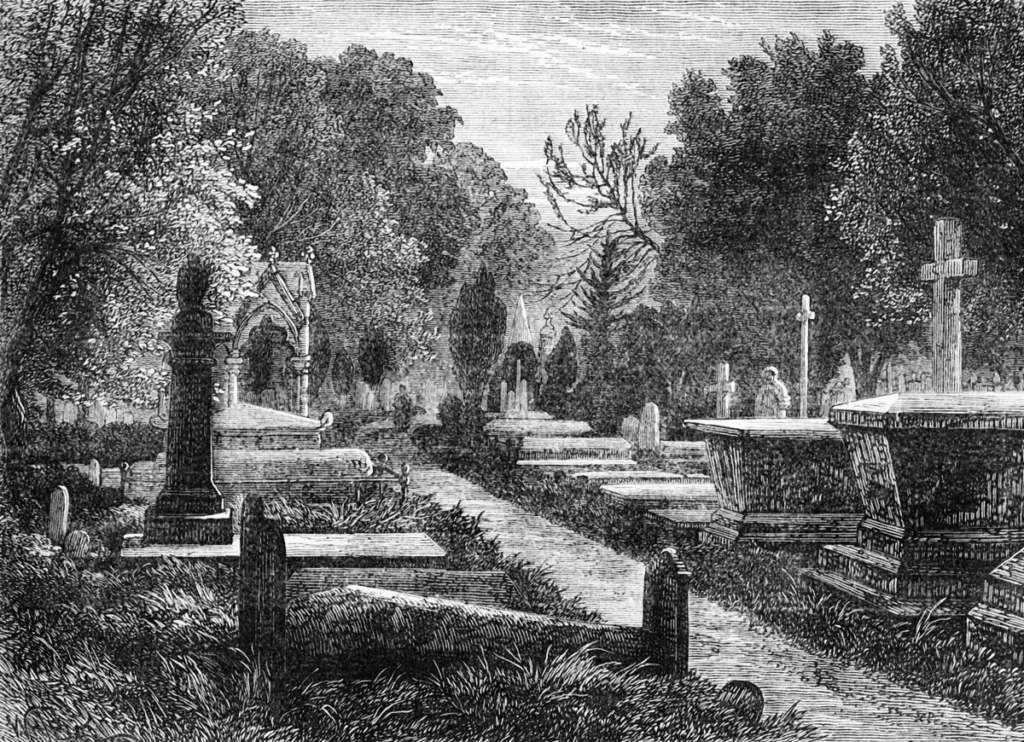
Victorian Mourning Culture: Why Death Became an Art Form
Bottom Line
Cemeteries are more than resting places. They are crossroads—where theology meets art, where culture meets memory, where the living attempt to understand the dead.
Religious symbolism transforms these spaces into narratives. Each grave becomes a story, shaped by belief systems that stretch far beyond the individual.
And perhaps that’s the most comforting thought of all: that even in death, we remain part of something larger—a tradition, a faith, a shared human experience.
So next time you walk through a cemetery, look closer.
Leave a Reply