Eco-Friendly Burials: The Rise of Green Cemeteries
What if death, instead of leaving a permanent scar on the planet, could become an act of restoration?
It sounds almost poetic, doesn’t it? Yet, this is precisely the philosophy behind eco-friendly burials. In a world increasingly obsessed with sustainability—organic food, slow fashion, zero-waste living—it was only a matter of time before death itself entered the conversation.
Traditional burial practices, for all their ritualistic beauty, come with a hidden environmental cost. Embalming chemicals seep into the soil, hardwood coffins demand deforestation, and concrete vaults disrupt natural decomposition. In essence, we preserve the body… but at what cost to the earth?
Green cemeteries offer a compelling alternative. They invite us to rethink not just how we live, but how we leave. And perhaps, more importantly, they ask a deceptively simple question: can death give back? Let’s explore.
Contents
- What Are Eco-Friendly Burials?
- The Environmental Cost of Traditional Burials
- The Philosophy Behind Green Cemeteries
- Designing Death: What Makes a Cemetery “Green”?
- Cultural Resistance and Changing Attitudes
- The Economics of Green Burials
- Technology Meets Nature: Modern Innovations in Green Burial
- Green Cemeteries as Spaces for the Living
- Bottom Line
- FAQs
What Are Eco-Friendly Burials?
At its core, an eco-friendly burial—often referred to as a “green burial”—is about simplicity and sustainability.
No embalming fluids. No metal caskets. No concrete vaults.
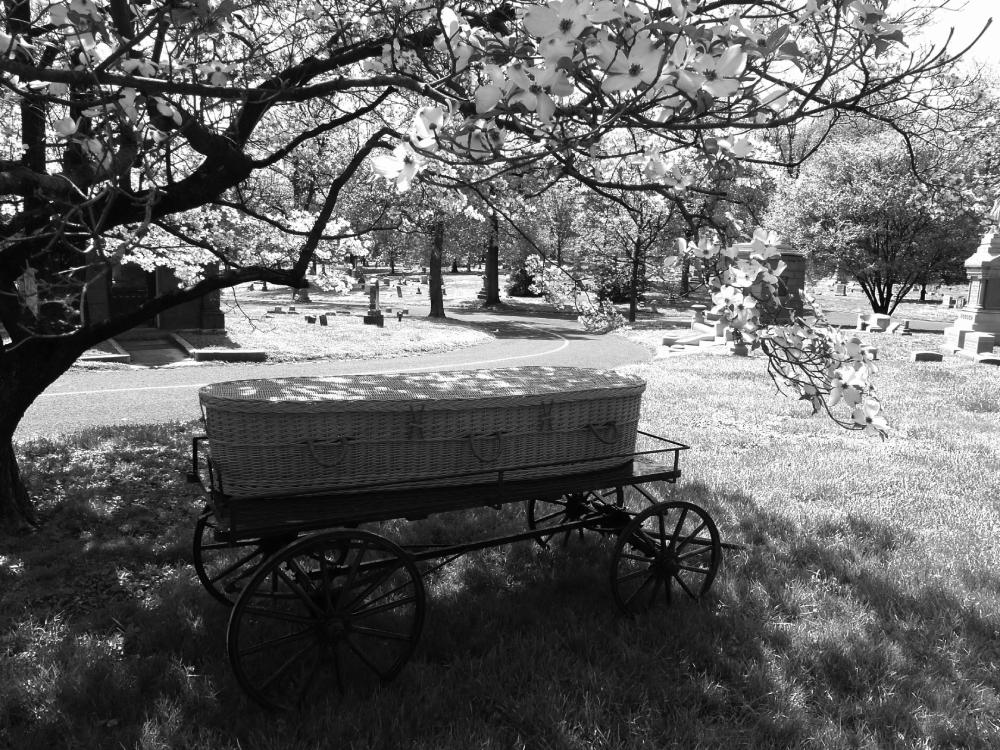
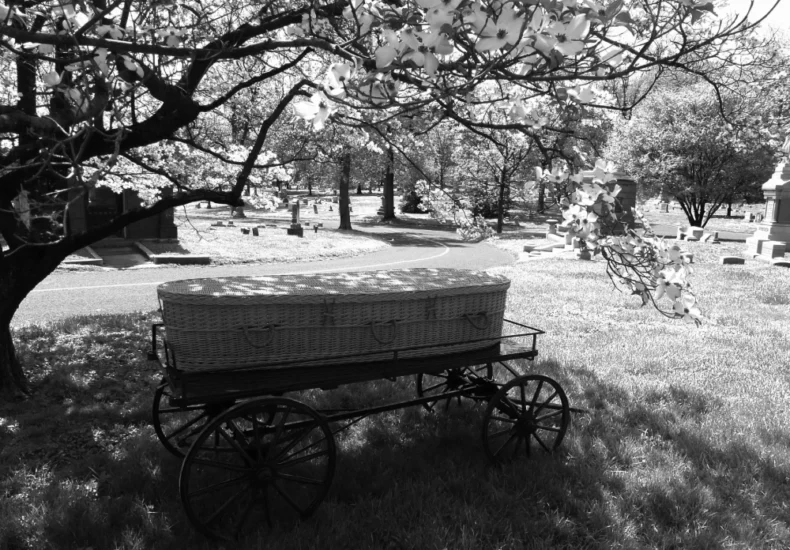
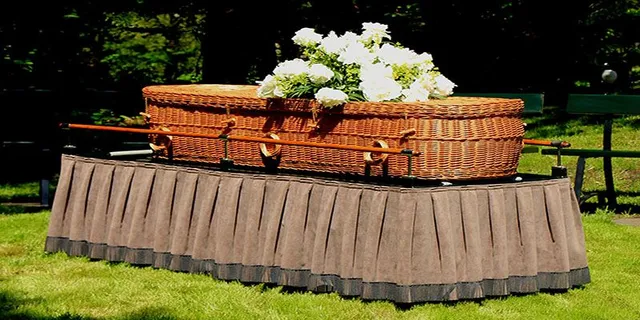
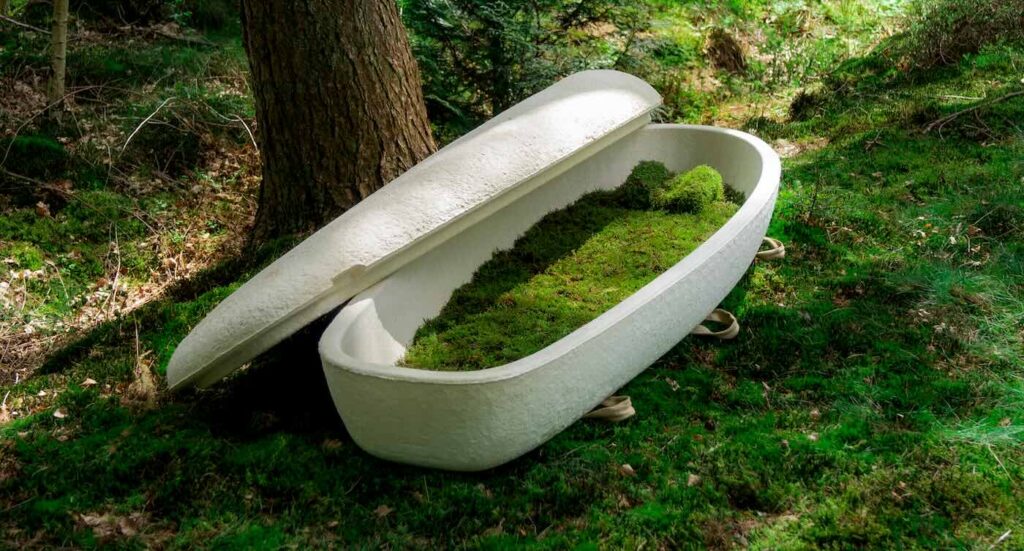
Instead, the body is placed directly into the earth, typically wrapped in a biodegradable shroud or housed in a simple wooden or wicker coffin. The goal? To allow natural decomposition to occur without interference, returning nutrients to the soil.
Think of it as closing the loop. A biological full circle.
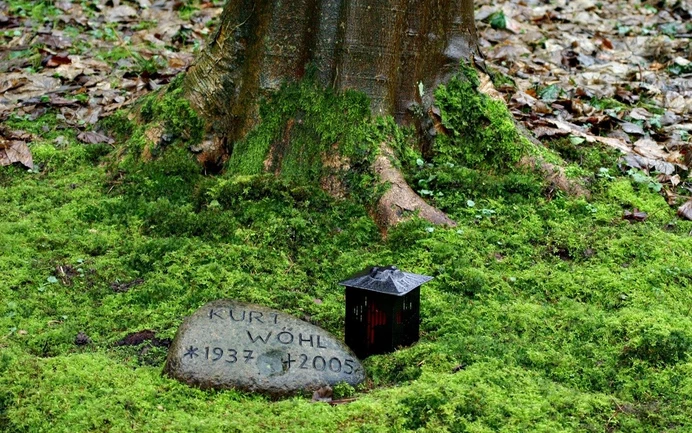
Green cemeteries, in turn, are burial grounds designed to support this process. They often resemble natural landscapes more than traditional graveyards—meadows, forests, even conservation areas. Headstones may be replaced by trees, GPS coordinates, or subtle markers.
It’s less about permanence and more about participation in nature.
The Environmental Cost of Traditional Burials
Let’s pause for a moment and confront an uncomfortable reality.
Conventional burial practices are not particularly eco-friendly.
Each year, millions of liters of embalming fluid—often containing formaldehyde, a known carcinogen—are used worldwide. These chemicals don’t simply disappear; they eventually leach into the surrounding soil and groundwater.
Then there’s the matter of materials. Coffins are frequently constructed from hardwoods like oak or mahogany, sometimes lined with metals and synthetic fabrics. Add to that the use of concrete burial vaults, and you begin to see the scale of resource consumption.
Cremation, often perceived as a greener alternative, isn’t entirely innocent either. The process requires significant energy and releases carbon emissions into the atmosphere.
So, while traditional methods aim to preserve memory, they inadvertently burden the environment.
It’s a paradox worth examining.
The Philosophy Behind Green Cemeteries
Green burials are not just a technical solution—they are a philosophical shift.
At their heart lies a profound acceptance of impermanence. Unlike traditional burial practices that attempt to delay decay, green burials embrace it. Decomposition is not seen as something to resist, but something to honor.
There’s a quiet humility in that.
In many ways, this approach echoes ancient burial traditions, where the body was returned to the earth without elaborate intervention. It’s less about controlling death and more about aligning with it.
And perhaps that’s the point.
Green cemeteries challenge our deeply ingrained desire for permanence. They suggest that memory does not reside in marble or granite, but in stories, relationships, and the landscapes we leave behind.
Is that unsettling? Maybe. But it’s also oddly liberating.
Designing Death: What Makes a Cemetery “Green”?
Not all cemeteries are created equal.
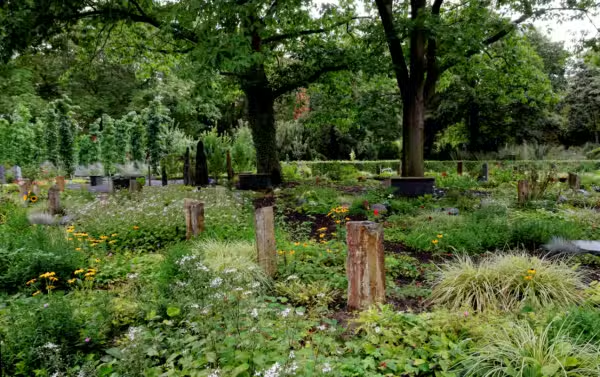
A green cemetery is defined not just by what it excludes, but by what it actively supports. These spaces are often managed as conservation areas, prioritising biodiversity and ecological health.
Instead of manicured lawns and uniform headstones, you’ll find native plants, wildflowers, and natural habitats. Maintenance is minimal—no pesticides, no artificial irrigation.
Even the layout differs. Graves may be spaced irregularly, following the contours of the land rather than a rigid grid.
The result? A space that feels alive.
Some green cemeteries go a step further, integrating reforestation efforts. Each burial contributes to the growth of a forest, transforming grief into regeneration.
It’s a powerful image: loss giving rise to life.
Cultural Resistance and Changing Attitudes
Despite its growing popularity, green burial is not without resistance.
For many, traditional funerary practices are deeply tied to cultural and religious beliefs. The idea of abandoning embalming or elaborate coffins can feel, quite frankly, disrespectful.
And then there’s the emotional dimension. Families often seek permanence—a physical marker, a place to visit, a tangible connection to the deceased.
Green cemeteries, with their understated approach, can seem too… subtle.
But attitudes are shifting.
As environmental awareness increases, so does openness to alternative burial practices. Younger generations, in particular, are more willing to question tradition and explore sustainable options.
It’s not about rejecting the past—it’s about adapting it.
The Economics of Green Burials
Here’s an unexpected twist: eco-friendly burials are often more affordable.
Without the need for embalming, elaborate coffins, or vaults, costs can be significantly reduced. A simple shroud or biodegradable casket is not only environmentally sound but also economically accessible.
However, pricing varies widely depending on location and availability. In some regions, green cemeteries are still relatively rare, which can drive up costs.
There’s also the question of land use. Maintaining natural burial grounds requires careful management and long-term planning.
So while green burials can be cheaper, they are not inherently “low-cost.” They are, rather, differently valued.
And perhaps that’s the real shift—from consumption to intention.
Climate Change and Cemeteries: Rising Sea Levels, Sinking Graves
Preserving Cemetery Art: How Conservationists Save Historic Monuments
Technology Meets Nature: Modern Innovations in Green Burial
It may seem ironic, but even the most nature-focused burial practices are being shaped by technology.
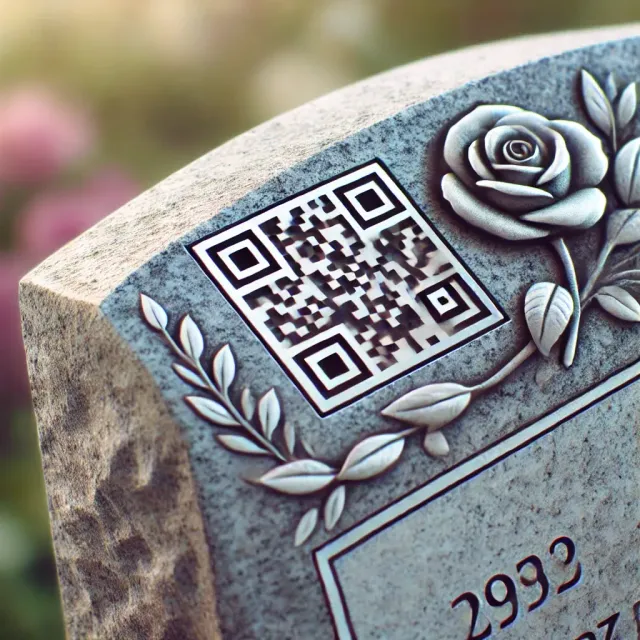
Biodegradable urns that grow into trees. GPS-enabled grave mapping. Digital memorial platforms that replace physical headstones.
Some companies are even developing methods to transform human remains into soil within weeks—a process known as human composting.
Yes, you read that correctly.
These innovations blur the line between science and ritual, offering new ways to think about death and legacy.
The question is no longer just “Where will we be buried?” but “What will we become?”
Green Cemeteries as Spaces for the Living
Here’s something often overlooked: cemeteries are not just for the dead.
Green cemeteries, in particular, are designed with the living in mind. They function as public green spaces—places for reflection, walking, even quiet recreation.
Without the rigid formality of traditional graveyards, these spaces feel more accessible. Less intimidating. More integrated into everyday life.
In a way, they restore the original purpose of burial grounds—as communal spaces that connect life and death.
And perhaps that’s what makes them so compelling.
They don’t just change how we bury—they change how we remember.
Bottom Line
Eco-friendly burials are not a trend—they are a response.
A response to environmental concerns. To cultural shifts. To a growing desire for authenticity in how we live and how we die.
They ask us to reconsider our relationship with the earth, not as something separate from us, but as something we ultimately return to.
There’s a quiet elegance in that idea.
To leave without harm. To nourish what comes next. To become, quite literally, part of the landscape.
In the end, green cemeteries don’t just offer an alternative way to bury the dead—they offer a different way to understand life itself.
Leave a Reply