When Cemeteries Become Real Estate: The Business of Grave Reselling
Have you ever walked through a cemetery and thought, “Prime real estate, right here”? Probably not. Most people ponder the mysteries of mortality, not property value. And yet, beneath the quiet lawns and angel-carved obelisks, an entire industry hums with a kind of commercial energy that would make a real estate agent raise an eyebrow.
Welcome to the curious, controversial, and surprisingly lucrative world of grave reselling—a place where sentiment meets supply and demand, where space is limited, and where even the dead are sometimes asked to make room.
In this article, we’ll explore the economics, ethics, and historical precedents of treating burial plots as buy-sell commodities—because, yes, cemeteries can and do become real estate markets. And the results can be both fascinating and unsettling.
Contents
- Understanding Burial Plots as Real Estate
- Why Grave Reselling Exists: The Spatial Crisis of the Dead
- How Grave Reselling Actually Works
- Grave Reselling by Cemeteries (Public Market)
- Ethical Issues: When the Dead Meet the Marketplace
- Historical Precedent: This Isn’t New
- The Economics of a Crowded Afterlife
- Case Studies: When Grave Reselling Made Headlines
- The Future of Grave Reselling: Innovation Meets Tradition
- Bottom Line: Rest in Peace… or Rest in Rotation?
- FAQs
Understanding Burial Plots as Real Estate
Burial plots, unlike most properties, are one of the few things you can “buy” without truly owning—in a legal sense. In many countries, what you purchase isn’t land, but the right to be buried in a specific plot for a designated duration or perpetuity.
This creates an intriguing dynamic: cemeteries are physically finite yet economically renewable. When space runs out—as it inevitably does in dense cities—cemeteries face a crisis. Enter the world of reselling, reassigning, repurposing, and sometimes completely reinventing the meaning of burial plots.
Think of cemeteries as incredibly slow-moving, strangely emotional versions of housing developments. There’s inventory, scarcity, maintenance, location-based value, and at times, negotiation that borders on the absurd.
Why Grave Reselling Exists: The Spatial Crisis of the Dead
Why would anyone resell a grave? The short answer: space is finite, but the dead keep coming.
Urban cemeteries, especially in older European cities, were never designed to accommodate centuries of burials. Land pressures and skyrocketing real estate prices mean cities cannot endlessly create new cemeteries. So, municipalities and private cemetery operators must get creative.
Common reasons for grave reselling include:
1. Families Move or Lose Interest
Descendants relocate, scatter, or simply disappear. As generations pass, graves fall into neglect. With no one paying ongoing fees, many cemeteries reclaim these plots.
2. Lease Expiration
In some countries—Germany, Greece, France, and parts of Latin America—burial rights last 30–99 years. After that, the grave can be recycled.
3. Financial Necessity
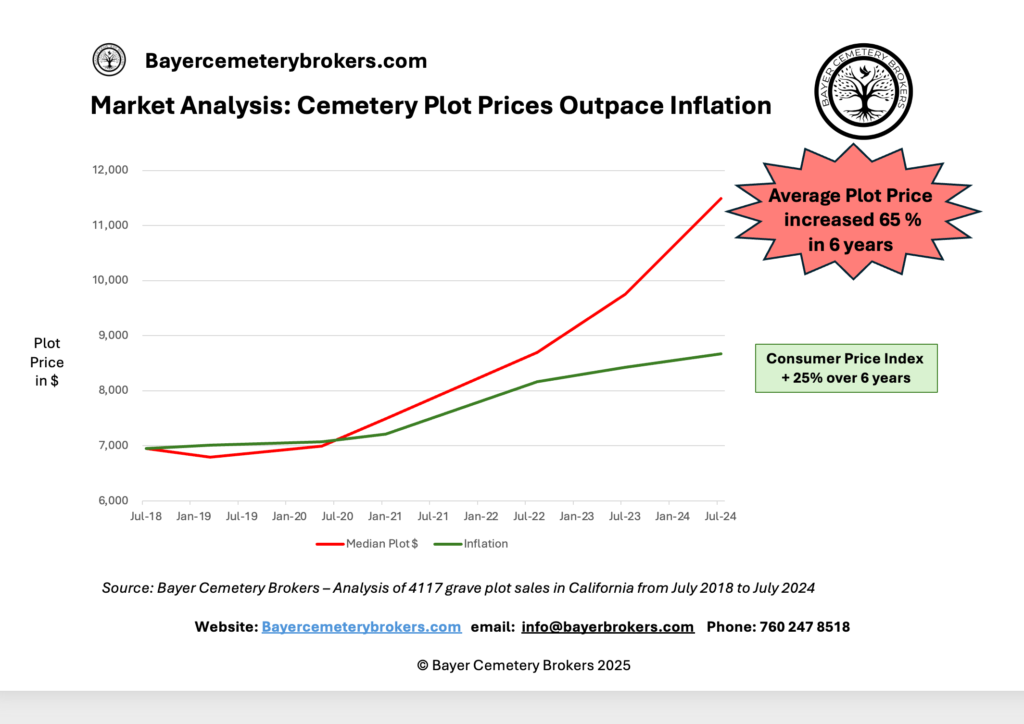
Some families choose to sell unused plots they inherited but don’t need. In cities like London or San Francisco, these plots can sell for astonishing sums.
4. Cemetery Revitalisation Projects
Older cemeteries sometimes reorganise, consolidate, or redesign areas, freeing up plots that become available for resale.
So yes—grave reselling happens because death takes up space, and modernity demands we use that space efficiently.
How Grave Reselling Actually Works
The process varies wildly depending on geography. But in general, grave reselling falls into one of two camps:
Grave Reselling by Families (Private Market)
Some families legally own burial rights and can resell them like any other asset. Listings can appear on:
- Real estate websites
- Online memorial marketplaces
- Local classified ads
- Funeral home bulletins
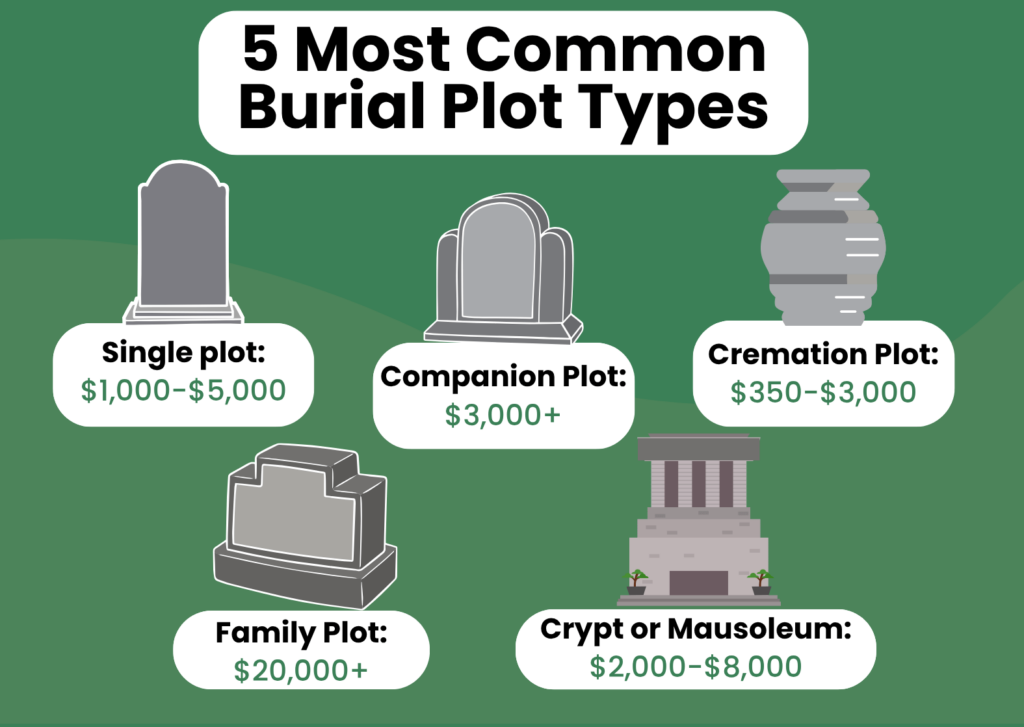
A desirable cemetery plot—especially in exclusive locations—can fetch prices equal to or exceeding luxury apartments.
For example:
- A double plot in Manhattan’s Woodlawn Cemetery can sell for $40,000–$60,000.
- In Los Angeles, plots near celebrity graves command premium prices.
- London has plots valued at £15,000–£25,000 depending on location and exclusivity.
It’s morbidly similar to buying into a gated community—just with quieter neighbours.
Grave Reselling by Cemeteries (Public Market)
When cemetery authorities repossess neglected, expired, or unused plots, they can resell them. Sometimes this involves:
1. Exhumation and Ossuary Transfer
After the lease term, remains may be moved to a communal ossuary. This is common in:
- France
- Greece
- Italy
- Spain
- Brazil
2. Layered Burials (Double or Triple Depth)
Some cemeteries stack graves vertically—a literal high-rise solution for the dead.
3. Grave “Recycling”
In certain cases, old graves are refreshed, stones cleaned, inscriptions softened by time, and the plot is resold.
This may sound shocking, but it’s historically normal. Many medieval churchyards reused graves every 10–20 years because decomposition occurred quickly.
What we consider “forever” burials is, in reality, a very recent invention.
Ethical Issues: When the Dead Meet the Marketplace
This is where things get complicated—and emotionally charged.
Is it ethical to reuse graves? Is it disrespectful to resell burial plots? Does a burial right constitute eternal ownership?
These questions spark heated debate. Let’s break down the main concerns.
1. The Moral Contract of Burial
When families bury a loved one, they assume their final resting place is truly final. Grave reselling often challenges this assumption.
Even when leases are clearly stated, the emotional contract feels eternal, even if the legal one isn’t.
2. Cultural Expectations
Some religions embrace grave reuse; others reject it completely.
- In Judaism and Islam, permanent burial is the standard.
- In Catholic and Orthodox traditions, practices vary by region.
- Secular societies often lean toward practicality.
Cemetery policies must navigate these sensitivities.
3. Commercialising Death
Critics argue that treating graves like real estate commodifies death in a distasteful way, allowing wealth to dictate access to “good” final addresses.
Is it fair that only the wealthy can afford prestigious burial sites? Or is it simply the reality of limited space?
4. Transparency Concerns
Some controversies arise from families discovering graves were resold without notification. Incompetent recordkeeping has historically resulted in deeply distressing errors.
In the grave-business world, paperwork is everything.
RELATED:
Grave Reuse Ethics: Rethinking Burial Traditions in an Overcrowded World
Historical Precedent: This Isn’t New
While many modern readers may bristle at the idea of grave recycling, history is firmly on its side.
- Ancient civilisations regularly reused burial grounds.
- Medieval churchyards layered bodies in communal graves.
- City crypts frequently moved bones to make space.
- The Paris Catacombs were created because cemeteries collapsed under overcrowding.
Permanent individual burial is actually the historical anomaly.
So the next time grave reselling feels shocking, remember: humanity has always negotiated space with the dead.
The Economics of a Crowded Afterlife
Let’s be candid: cemeteries are expensive to maintain. Landscaping, maintenance, staff, security, administration—it all costs money.
When burial plots are sold only once and never reused, cemeteries face a financial time bomb:
No new sales + ongoing expenses = eventual bankruptcy
Grave reselling becomes a revenue source that keeps cemeteries alive (ironically).
Case Studies: When Grave Reselling Made Headlines
1. London’s Reburial Program
London allows grave reuse after 75 years. Remains are carefully exhumed, reinterred deeper, and the plot is resold. This policy saved multiple historic cemeteries from closure.
2. Hong Kong’s “Rental Burials”
With one of the world’s most severe land shortages, Hong Kong rents burial plots for 6 years. After decomposition, remains are moved to an urn facility.
3. New Orleans’ Family Tombs
Above-ground tombs already reuse space every 1–2 years, thanks to efficient natural decomposition in the heat. It’s practically grave recycling by design.
These examples show reselling isn’t just a quirk—it’s a survival strategy.
The Future of Grave Reselling: Innovation Meets Tradition
As urban populations grow and land becomes scarcer, the cemetery industry is evolving. Expect to see more:
Digital cemeteries
Plot marketplaces, 3D grave modeling, and online memorials.
Vertical cemeteries
High-rise mausoleums in cities like Tokyo and São Paulo.
Biodegradable ground leases
Green burials designed for natural return, freeing plots faster.
Algorithmic reselling systems
AI-assisted identification of reclaimable graves.
The line between real estate and resting place grows thinner every year.
Bottom Line: Rest in Peace… or Rest in Rotation?
The business of grave reselling may sound unsettling at first, but it’s rooted in history, practicality, and the evolving needs of modern cities. Cemeteries are not static museums of the dead—they are dynamic cultural, urban, and ecological spaces.
Whether we view grave reselling as a morbid market, a necessary solution, or a practical use of scarce land, the truth is undeniable: even in death, space matters.
In a world where cities expand, populations grow, and land tightens, cemeteries must adapt. And sometimes that adaptation involves treating burial plots as what they truly are—limited, valuable, and surprisingly negotiable real estate.
Leave a Reply