Tombstone Tales: The Most Fascinating Graves I’ve Encountered
Cemeteries are often described as places of rest, silence, and finality. And yet, if you walk through them slowly enough—really look, really read—you’ll discover that many graves are anything but quiet. They speak. They confess. They boast. They mourn. Some whisper poetry; others shout scandal. Tombstones, far from being inert slabs of stone, are narrative devices. They are footnotes to human history, condensed biographies carved into limestone and marble.
As someone who approaches cemeteries not just as spaces of mourning but as cultural archives, I’ve encountered graves that linger in the mind long after leaving the gates behind. These are not always the graves of the famous. Often, they belong to the obscure, the forgotten, or the stubbornly eccentric. Together, they form what I like to call tombstone tales: stories etched in stone, resisting oblivion.
This article explores some of the most fascinating graves I’ve encountered—through travel, research, and quiet wandering—and what they reveal about memory, identity, and our deeply human refusal to disappear without a final word.
Content
The Grave as a Biography in Stone
Before diving into individual stories, it’s worth asking: what is a tombstone really meant to do? At its most basic, it marks a body. But culturally, it does much more. A grave is a compressed narrative—a headline without the article, a metaphor without explanation.
Dates sketch the boundaries of a life. Names assert existence. Symbols hint at belief. And epitaphs? They are the punchline, the moral, or sometimes the unanswered question.
In this sense, cemeteries function like libraries where every book has been reduced to a single paragraph. Some are dull. Others are unforgettable.
The Defiant Grave: “I Told You I Was Sick”
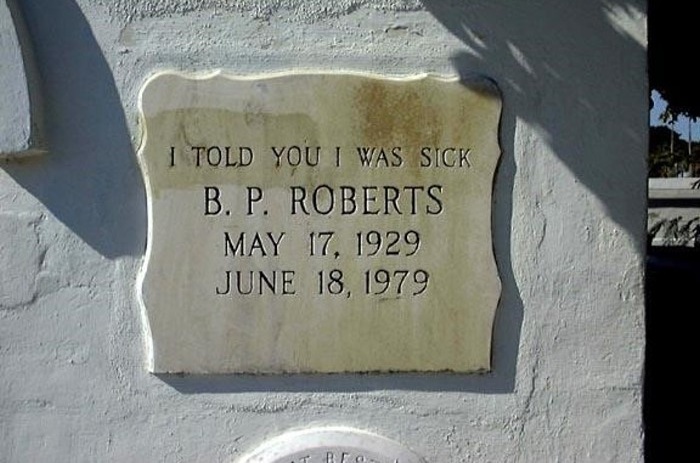
One of the most famous—and still strangely delightful—epitaphs reads simply: “I told you I was sick.”
Whether encountered in a real cemetery or repeated across cultures and replicas, this grave embodies defiance beyond death.
Why does it resonate? Because it breaks the expected tone. Death, we are told, should be solemn. This stone refuses. It laughs in the face of finality, turning mortality into a punchline. The deceased becomes an active speaker, wagging a finger from beyond the grave.
Humor on tombstones often signals resistance: against illness, against authority, against being reduced to silence. It’s the verbal equivalent of graffiti on eternity.
The Grave That Reads Like a Love Letter
In contrast, some of the most moving graves I’ve encountered are devastatingly sincere. One, in a small European cemetery, bore an epitaph written by a husband to his wife. No grand metaphors. No religious platitudes. Just a direct address: “You were my home.”
That sentence alone carried an entire marriage.
What makes such graves powerful is their emotional economy. They do not try to impress the future. They speak to the past. Reading them feels almost intrusive, like overhearing a private conversation. And yet, that intimacy is precisely what grants them longevity.
These graves remind us that cemeteries are not just historical records. They are emotional landscapes.
The Famous Grave That Became a Shrine
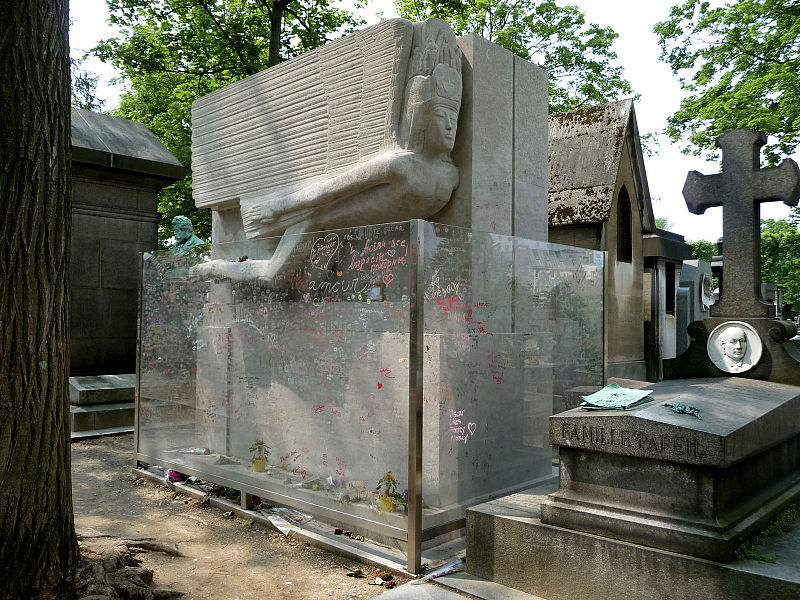
Fame complicates death. The graves of artists, writers, and musicians often transform into pilgrimage sites, layered with offerings, graffiti, and ritual behaviour. One grave I encountered—now barely visible beneath lipstick marks, notes, and flowers—had ceased to function as a marker of burial. It had become a cultural altar.
This raises an uncomfortable question: does fame extend life, even after death?
In these cases, the tombstone is no longer about the deceased alone. It becomes a mirror for the living, reflecting collective memory, nostalgia, and sometimes obsession. The original epitaph is often obscured, overwritten by the voices of admirers. Silence is replaced by performance.
The grave survives, but it is no longer alone.
The Anonymous Grave That Says Everything
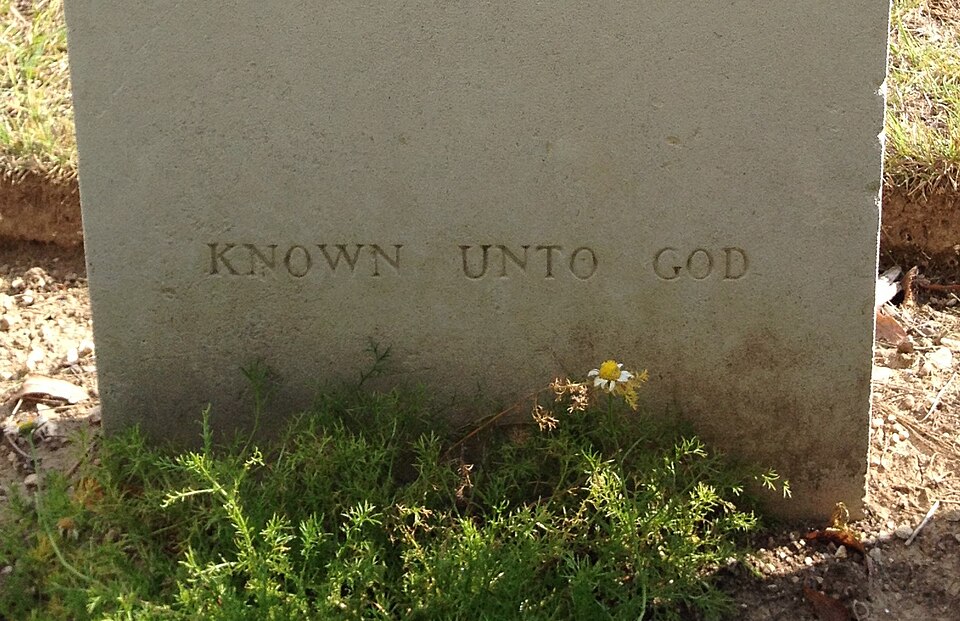
Some of the most haunting graves I’ve encountered belong to no one—or at least, no one named. Unmarked stones. Numbered plaques. Mass graves with a single inscription: “Known unto God.”
These graves confront us with absence. No biography. No story. Just the fact of death.
And yet, paradoxically, they say more about history than many elaborate monuments. They speak of war, poverty, plague, migration. They remind us that remembrance is not evenly distributed. Some lives are archived; others are erased.
Standing before anonymous graves feels like staring into a redacted document. You know something was there. You just aren’t allowed to read it.
.jpg)
The Grave That Warns the Living
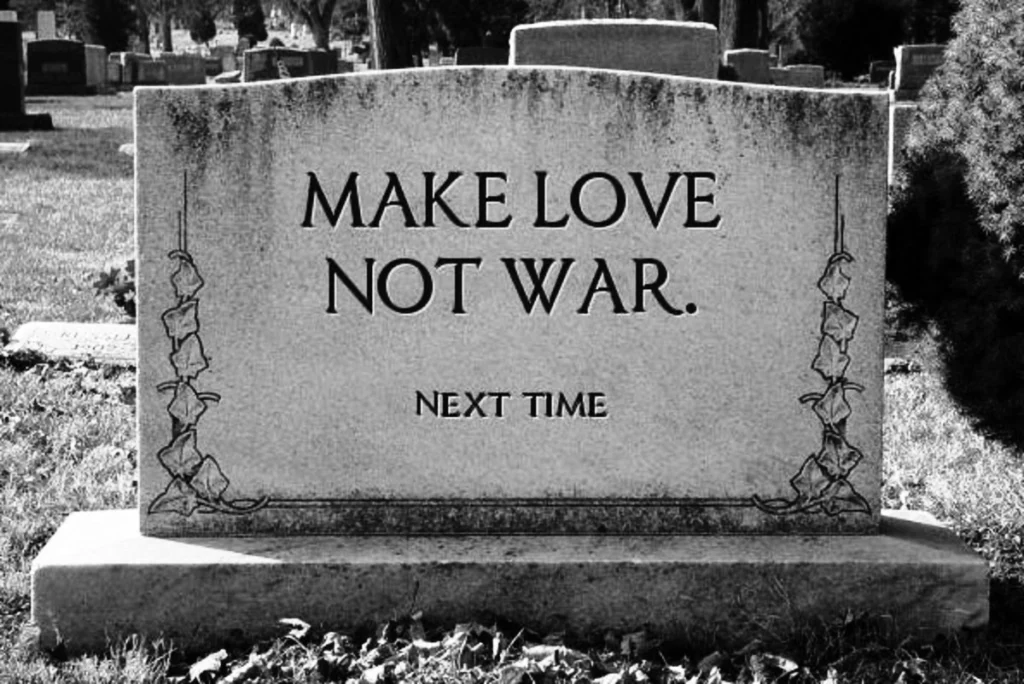
Occasionally, a grave feels less like a farewell and more like a warning. I once encountered an epitaph that read like a moral footnote: a reminder of vanity, excess, or pride, framed explicitly as a lesson for passersby.
These graves belong to an older tradition, where cemeteries doubled as classrooms. Death was pedagogical. The dead instructed the living on how not to live.
In modern cemeteries, such moralising is rare. Contemporary culture prefers comfort to confrontation. But when you encounter these older stones, they feel almost aggressive in their honesty. Death, they insist, is not polite. It is instructive.
The Child’s Grave That Stops You Cold
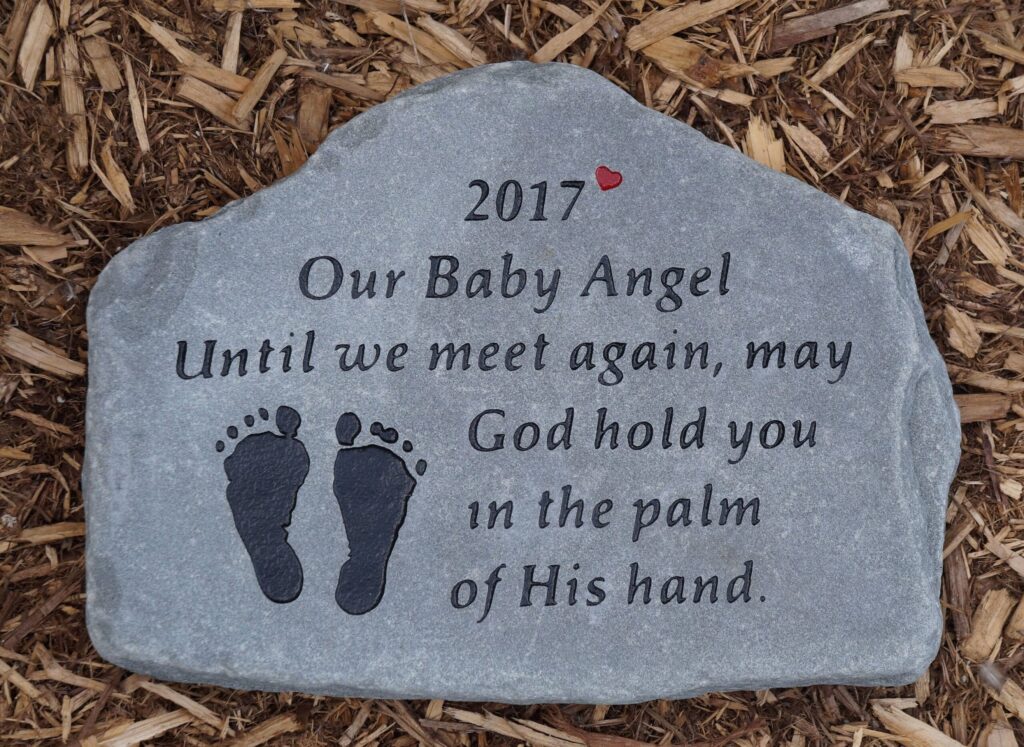
No category of grave arrests movement quite like that of a child. Small headstones. Short dates. Sometimes a carved toy, a lamb, or an unfinished life summarised in two numbers.
These graves disrupt narrative expectations. We expect stories to arc toward old age. Child graves are narrative fractures—sentences cut off mid-word.
Standing before them, wit evaporates. Academic distance collapses. They demand silence, not analysis. And perhaps that, too, is part of their power. Some graves resist interpretation entirely.
Symbolism That Speaks Louder Than Words
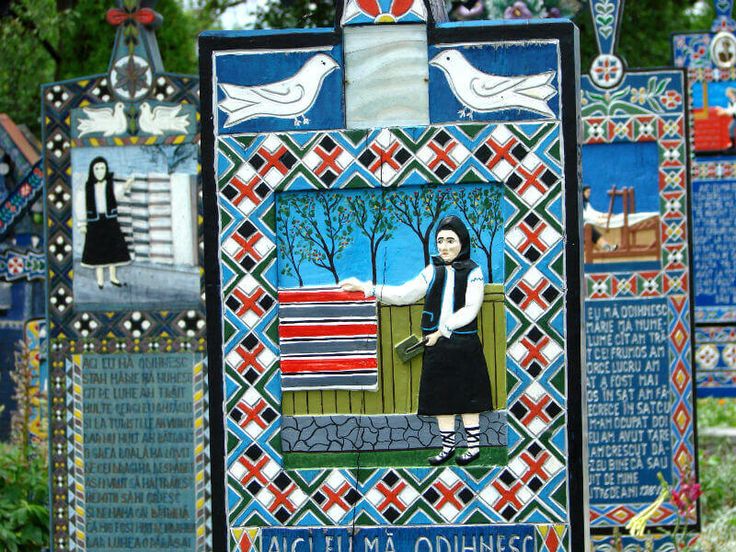
Not all stories are written in language. Many are carved in symbol. A broken column. A weeping willow. A hand pointing upward—or downward.
One particularly striking grave featured a sculpted figure emerging from stone, as if waking from sleep. Resurrection? Artistic flourish? Personal belief? The ambiguity is the point. Symbols allow multiple readings. They outlive certainty.
In this way, cemetery symbolism functions like poetry: suggestive, layered, and resistant to closure.
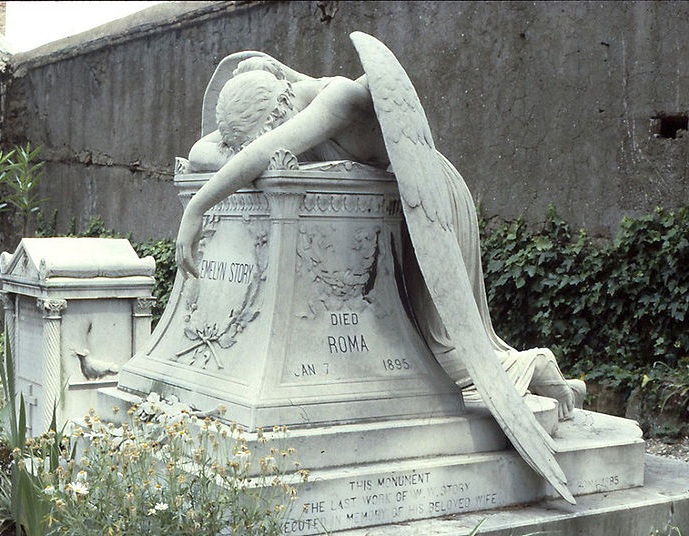
Why These Graves Stay With Us
Why do certain graves linger in memory while others fade instantly? It isn’t wealth. It isn’t fame. It’s narrative friction. Something unresolved. Something human.
These graves disrupt expectation. They refuse neutrality. They provoke emotion, curiosity, discomfort, or recognition. They remind us that death does not erase personality. If anything, it distills it.
Walking through cemeteries, you begin to realise that the dead are not asking to be mourned. They are asking to be remembered accurately—or at least interestingly.

Bottom Line
Tombstones are not endpoints. They are interfaces. Between past and present. Between the living and the silent. Between what was and what we choose to remember.
The most fascinating graves I’ve encountered are those that refuse to behave. They joke. They accuse. They love. They warn. They linger. In doing so, they expose a simple truth: even in death, humans are storytellers.
And perhaps that is the real function of cemeteries—not to house the dead, but to remind the living that every life, no matter how brief or obscure, leaves a trace.
Leave a Reply