The Lost Cemeteries of the World: Forgotten Burial Grounds Rediscovered
Cemeteries are meant to be permanent. That, at least, is the promise they make. Stone replaces flesh, names are carved into marble, and memory is given an address. Yet history has a habit of breaking promises. Across the world, entire cemeteries have vanished—buried, erased, built over, submerged, or simply forgotten. These lost cemeteries are not just curiosities; they are silent witnesses to war, urban expansion, colonial violence, religious change, and collective amnesia. To rediscover them is to confront how societies remember, and more importantly, how they forget.
This article explores lost cemeteries through multiple lenses: history, anthropology, urban studies, archaeology, ethics, and cultural memory. Think of it as an excavation, not with a shovel, but with questions.
Contents
- What Is a Lost Cemetery?
- Cities Built on the Dead: Urban Expansion and Erasure
- War, Violence, and the Politics of Forgetting
- Colonialism and the Disappearing Dead
- Nature Reclaims Its Dead: Environmental Losses
- How Lost Cemeteries Are Rediscovered
- The Ethics of Unearthing the Dead
- Why Lost Cemeteries Matter
- Bottom Line
- FAQs
What Is a Lost Cemetery?
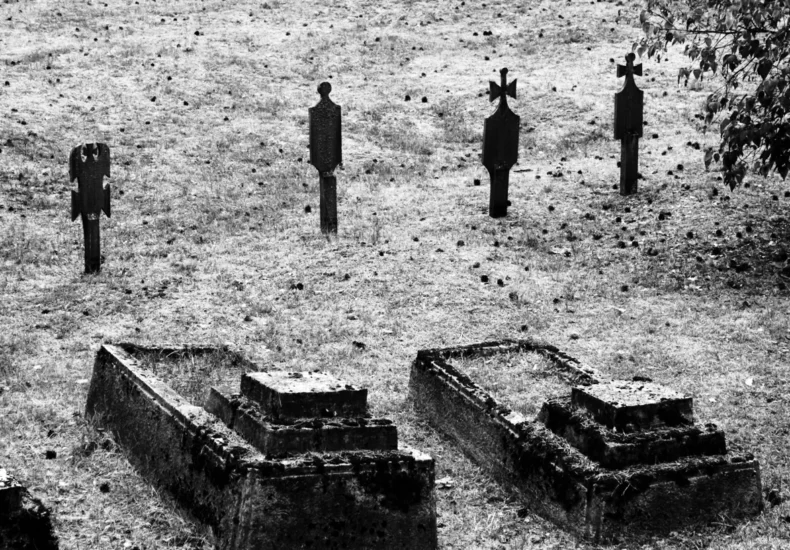
A lost cemetery is not necessarily one without graves. Rather, it is a burial ground that has fallen out of public awareness or physical visibility. The dead remain, but their markers are gone, displaced, or rendered illegible.
Sometimes the land has been repurposed. Other times, nature has reclaimed it. In more troubling cases, deliberate erasure has taken place.
Lost cemeteries typically fall into several categories:
- Urban casualties, destroyed by development
- Victims of war or political regimes
- Marginalised burial grounds, often belonging to enslaved, Indigenous, or minority communities
- Environmental losses, submerged or eroded by natural forces
Each category tells a different story, but all raise the same unsettling question: what happens when the dead lose their place?
Cities Built on the Dead: Urban Expansion and Erasure
Modern cities are excellent at forgetting what lies beneath them. As urban populations grew, burial grounds once located on the outskirts found themselves inconveniently central. Cemeteries were exhumed, relocated, or simply paved over.
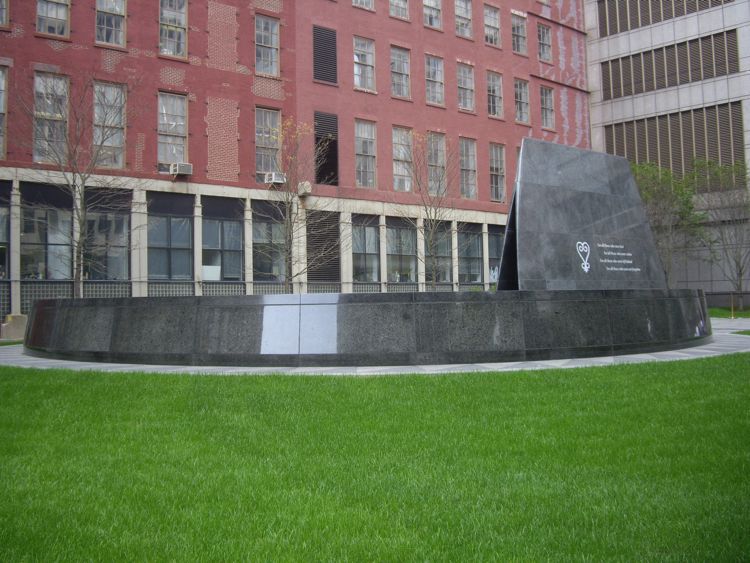
One of the most famous examples is New York City’s African Burial Ground, rediscovered in the 1990s during construction of a federal building. Dating back to the 17th and 18th centuries, it contained the remains of thousands of enslaved and free Africans.
For centuries, the cemetery had been built over, its existence erased from maps and memory. Its rediscovery forced a reckoning with how racialised communities were treated in life—and death.
Similar stories exist across Europe. In London, medieval burial grounds lie beneath office buildings, train stations, and shopping centers. Paris took a more theatrical approach: bones from overflowing cemeteries were relocated into the Catacombs, turning a public health crisis into a macabre monument. Practical, yes—but also deeply symbolic. When space runs out, even the dead must be reorganised.
Urban planning, it turns out, has always had an uneasy relationship with mortality.
War, Violence, and the Politics of Forgetting
Some cemeteries are lost not to time, but to intention. Wars do not only kill people; they disrupt rituals of remembrance. Graveyards are bombed, abandoned, or deliberately destroyed to erase cultural presence.
In Eastern Europe, countless Jewish cemeteries were desecrated during and after the Holocaust. Tombstones were used as paving stones, building materials, or discarded entirely. The goal was not efficiency but annihilation of memory. A cemetery, after all, is proof that a community once existed.
Mass graves from genocides and political purges represent an even darker category of lost burial grounds. Often unmarked, hidden, or denied, these sites exist in a liminal state—known, yet officially unacknowledged.
Rediscovery in these cases is less about archaeology and more about justice. Unearthing the dead becomes an act of resistance against enforced forgetting.
Colonialism and the Disappearing Dead
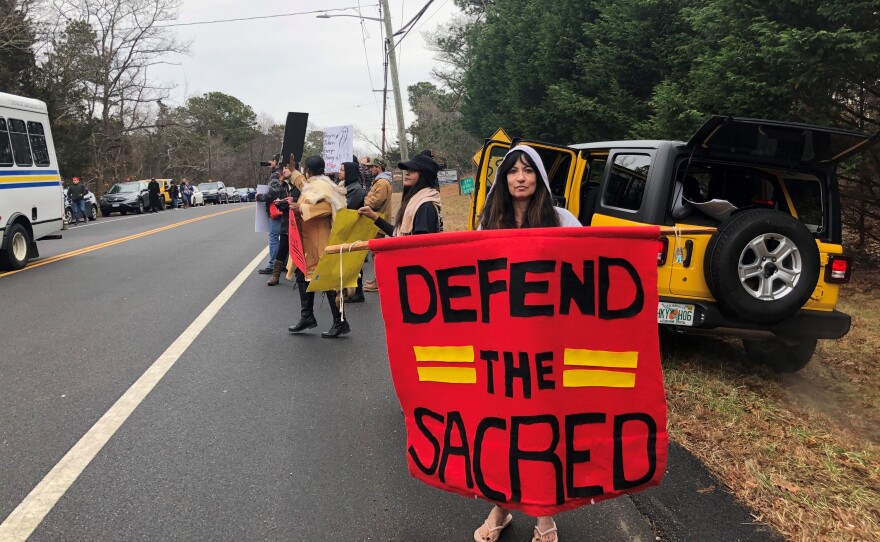
Colonialism reshaped landscapes with little regard for existing burial practices. Indigenous cemeteries were frequently destroyed, relocated, or desacralised as settlers imposed new spatial and religious orders.
In Australia, Canada, and parts of the Americas, Indigenous burial grounds were built over by farms, roads, and towns. Oral histories preserved their locations long after physical markers disappeared, highlighting a crucial divide: Western memory relies on stone and maps, while many cultures rely on story and ritual. When one system is dismissed, the other becomes invisible.
Rediscovery efforts today often involve collaboration between archaeologists and descendant communities. These projects raise ethical questions: should burial sites be excavated at all? Who has the authority to decide? In these cases, rediscovery is not about curiosity, but cultural survival.
Nature Reclaims Its Dead: Environmental Losses
Not all lost cemeteries are victims of human malice. Some are casualties of environmental change. Coastal erosion, rising sea levels, desertification, and flooding have swallowed burial grounds whole.
In parts of the United States, historic cemeteries are collapsing into rivers or the ocean, coffins exposed like unwanted confessions. On small islands and low-lying coastal regions, graves are being relocated inland, sometimes repeatedly. The dead, it seems, are becoming climate refugees.
These losses force uncomfortable reflections on permanence. Cemeteries are designed to defy time, yet nature operates on a longer timeline. Stone erodes. Soil shifts. Even memory, without care, dissolves.
How Lost Cemeteries Are Rediscovered
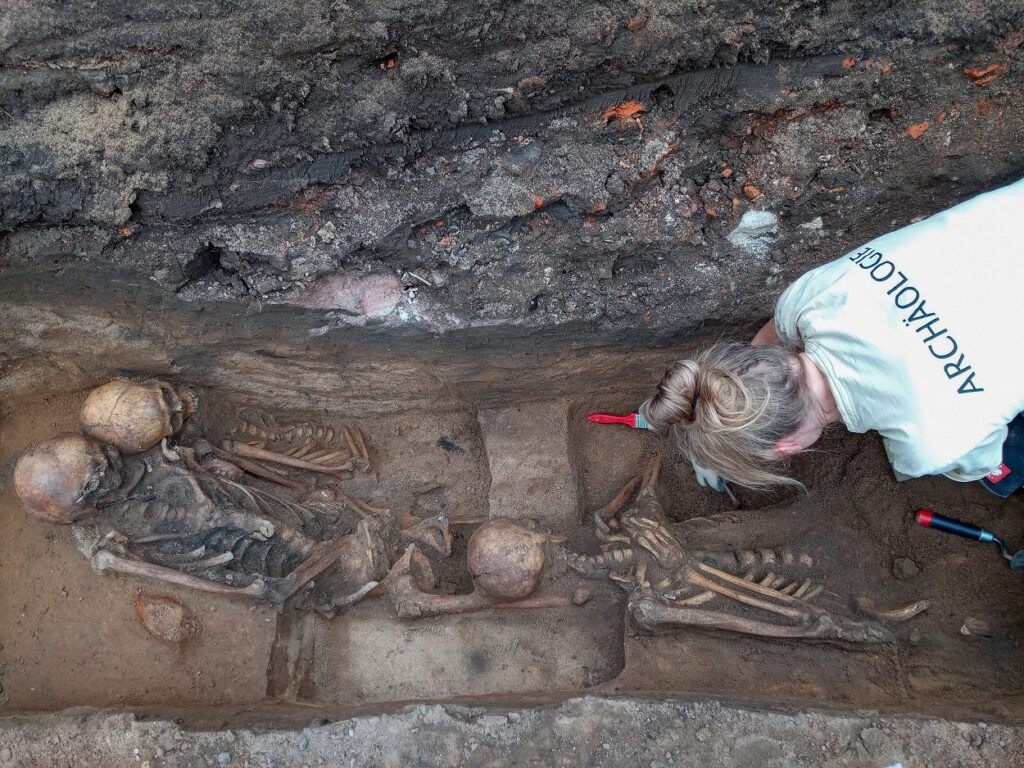
Rediscovering a cemetery rarely begins with a dramatic reveal. More often, it starts with paperwork. Old maps, property records, church documents, and oral histories provide the first clues. Technology then steps in.
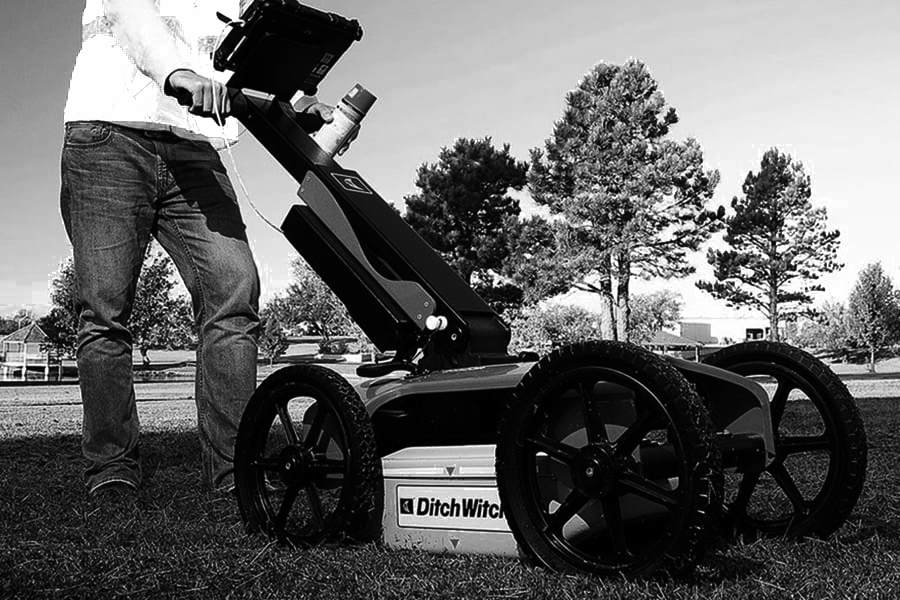
Ground-penetrating radar (GPR) has revolutionised cemetery archaeology, allowing researchers to detect graves without disturbing the soil. Aerial photography and LiDAR can reveal subtle landscape changes invisible at ground level. In urban areas, construction projects frequently trigger accidental rediscoveries.
Yet technology alone is not enough. Rediscovery also depends on curiosity. Someone has to ask, “What used to be here?” In that sense, lost cemeteries are not just physically buried—they are intellectually neglected.
The Ethics of Unearthing the Dead
Rediscovery raises a thorny ethical dilemma: once a lost cemetery is found, what should be done with it?
Preservation is not always possible. Urban infrastructure, private ownership, and political resistance complicate matters. Sometimes the best outcome is documentation rather than restoration. In other cases, memorialisation takes symbolic form: plaques, monuments, or digital archives.
There is also the question of visibility. Turning rediscovered cemeteries into tourist attractions risks repeating the same exploitative dynamics that caused their disappearance. Respect, consultation with descendant communities, and clear ethical frameworks are essential.
The dead, after all, cannot consent.
Why Lost Cemeteries Matter
At first glance, lost cemeteries may seem like niche historical curiosities. They are not. They expose how societies prioritise space, power, and memory. Who gets remembered? Who is erased? And who decides?
Cemeteries are mirrors. They reflect social hierarchies, religious values, and political systems. When they disappear, those reflections are distorted. Rediscovering them does not correct history, but it complicates it—and complexity is where truth often hides.
To study lost cemeteries is to accept that forgetting is not accidental. It is structured, patterned, and revealing.
Bottom Line
Lost cemeteries are not just places where the dead have gone missing; they are places where the living have looked away. Their rediscovery forces us to confront uncomfortable truths about progress, power, and memory. Beneath parking lots, forests, and shorelines lie stories that were never meant to vanish—only ignored.
By paying attention to these forgotten burial grounds, we do more than recover bones or stones. We restore context. We acknowledge absence. And perhaps, in learning how easily the dead are erased, we become more careful custodians of memory
Leave a Reply