
Climate Change and Cemeteries: Rising Sea Levels, Sinking Graves
Cemeteries are meant to be permanent. They are our quiet contracts with time—carefully landscaped fields of memory where we promise the dead stability, dignity, and rest. But what happens when the ground itself begins to shift? When coastlines erode, floodwaters intrude, and rising seas creep toward headstones like an uninvited guest?
Climate change is no longer an abstract graph in a scientific report. It is reshaping landscapes, displacing communities—and, increasingly, disturbing cemeteries. Across coastal regions, burial grounds are flooding, eroding, and, in some cases, literally collapsing into the sea. The result is a complex intersection of environmental science, heritage preservation, ethics, and public policy.
If cemeteries are cities of the dead, then climate change is their most relentless urban planner. Let’s walk through what is happening—and why climate change and cemeteries matter more than we think.
Contents
- The Science Behind Rising Sea Levels
- Coastal Cemeteries at Risk
- Case Studies: Climate Change in Action
- The Ethical Dilemma: To Relocate or Not to Relocate
- Environmental Justice and Forgotten Cemeteries
- Green Burials and Climate-Conscious Cemeteries
- Technology as a Preservation Tool
- Policy, Planning, and the Future of Cemeteries
- Why This Matters: Memory in a Warming World
- Bottom Line
- FAQs
The Science Behind Rising Sea Levels
Before we confront sinking graves, we must understand the force behind them.
Rising sea levels are primarily driven by two phenomena:
- Thermal expansion – As global temperatures rise, ocean water warms and expands.
- Melting ice sheets and glaciers – Ice from Greenland and Antarctica adds volume to the oceans.
According to the Intergovernmental Panel on Climate Change, global sea levels have risen significantly over the past century, with the rate accelerating in recent decades. This is not a distant forecast; it is an ongoing reality.
Coastal areas, river deltas, and low-lying regions are especially vulnerable. And many historic cemeteries—established centuries ago near churches, settlements, or ports—happen to sit precisely in these zones.
It turns out our ancestors loved a good view of the sea. The sea, unfortunately, is now returning the visit.
Coastal Cemeteries at Risk
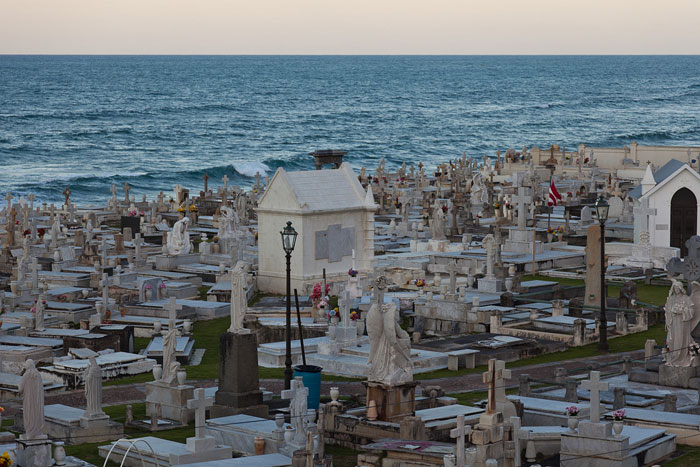
From small island nations to major metropolitan coastlines, cemeteries are increasingly exposed to flooding and erosion.
In parts of the United States, particularly along the southeastern coast, historic African American burial grounds are being swallowed by tidal surges. In the United Kingdom, Victorian cemeteries perched on eroding cliffs face gradual collapse. Island nations in the Pacific report graves being washed away entirely.
These are not isolated incidents. They are early warnings.
Cemeteries are especially vulnerable because:
- They are often located on marginal land.
- They rely on shallow soil layers.
- They were not designed to withstand saltwater intrusion or prolonged inundation.
- Their drainage systems are frequently outdated.
Unlike modern infrastructure, cemeteries were not built with climate resilience in mind. No one, in 1850, was planning for a 21st-century climate crisis.
When Graves Flood: What Actually Happens?
The phrase “sinking graves” sounds poetic. The reality is far less romantic.
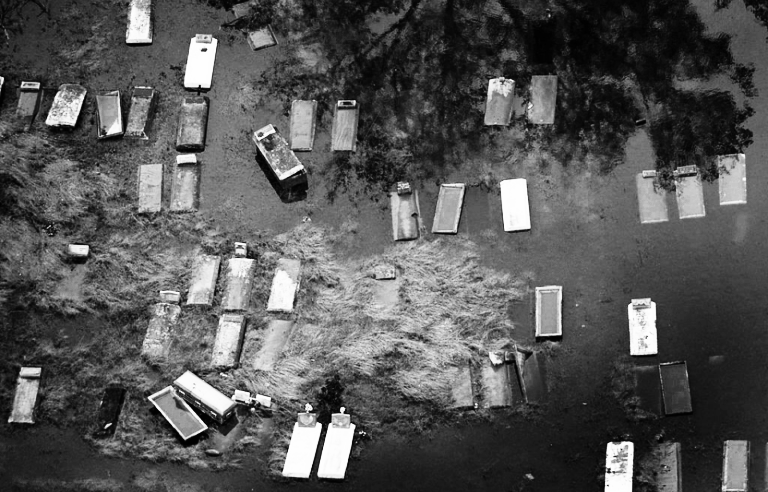
When rising water tables and storm surges reach burial grounds, several consequences unfold:
1. Coffin Exposure
Wooden coffins deteriorate faster in saturated soils. As they collapse, remains can surface or shift.
2. Soil Erosion
Heavy rainfall and tidal forces wash away topsoil, destabilising headstones and vaults.
3. Contamination Risks
Flooded cemeteries can release decomposition byproducts into surrounding soil and groundwater. While modern embalming reduces immediate hazards, older graves may contain materials that were never meant to re-enter ecosystems.
4. Structural Damage
Mausoleums crack. Foundations shift. Historic stonework fractures under repeated freeze-thaw cycles intensified by climate change.
Imagine a library whose books slowly dissolve back into pulp. That is what erosion does to a cemetery.
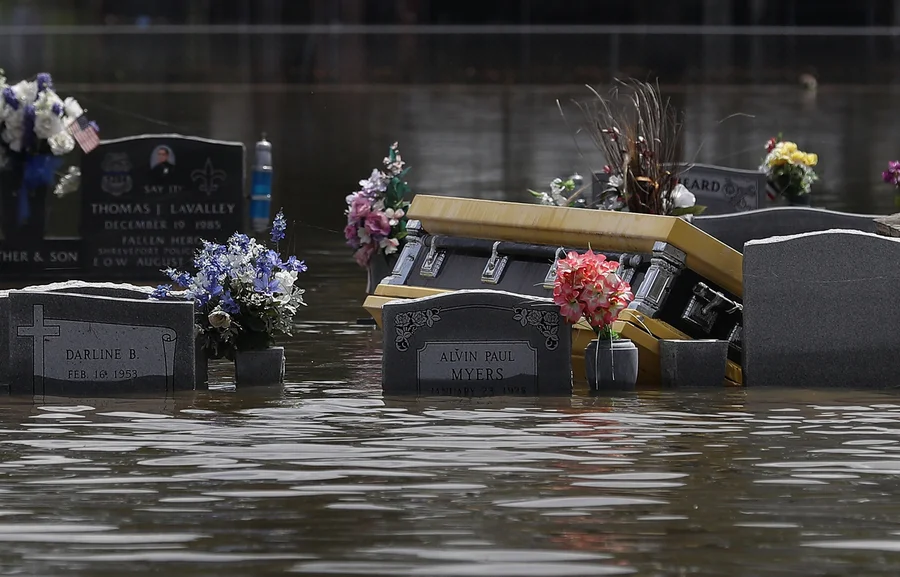
Photo by Joe Raedle Getty Images
Saltwater: The Silent Destroyer of Gravestones
Saltwater is particularly destructive. It infiltrates porous stone—marble, limestone, sandstone—and crystallises as it dries. The result? Flaking, cracking, and gradual disintegration.
Historic headstones, especially those carved in the 18th and 19th centuries, were never engineered for repeated saltwater exposure. Conservationists now face a race against time.
The issue is not just aesthetic. These stones carry inscriptions—names, dates, epitaphs—that represent irreplaceable historical data. When a stone erodes beyond legibility, a fragment of collective memory disappears.
A cemetery is an archive written in stone. Saltwater is its red pen.
Case Studies: Climate Change in Action
Across the globe, burial grounds are becoming climate frontlines.
In the United States, preservationists along the Atlantic coast are documenting graves threatened by erosion. On barrier islands, entire sections of historic cemeteries have already been lost.
In the Pacific, low-lying island nations face even starker realities. Rising seas leave families with agonising decisions: relocate ancestors inland or risk losing them to encroaching tides.
The emotional toll is profound. Relocating graves is not like moving furniture. It involves exhumation, legal procedures, religious considerations, and psychological strain. Communities must weigh cultural continuity against environmental necessity.
And the question lingers: if climate migration forces the living to move, what responsibility do we have to move the dead?
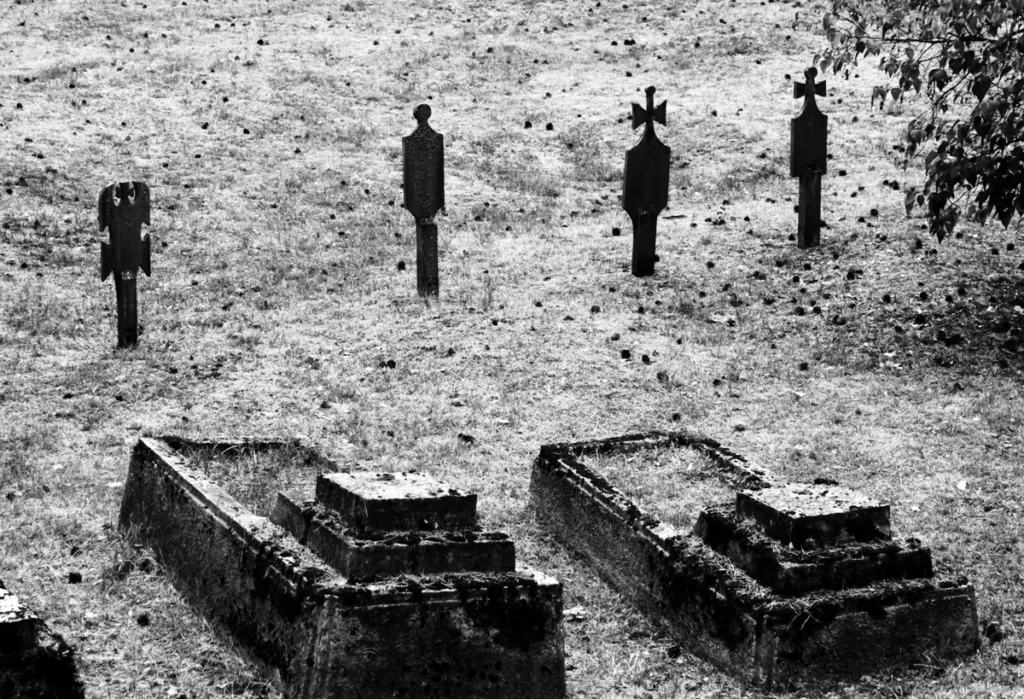
The Lost Cemeteries of the World: Forgotten Burial Grounds Rediscovered
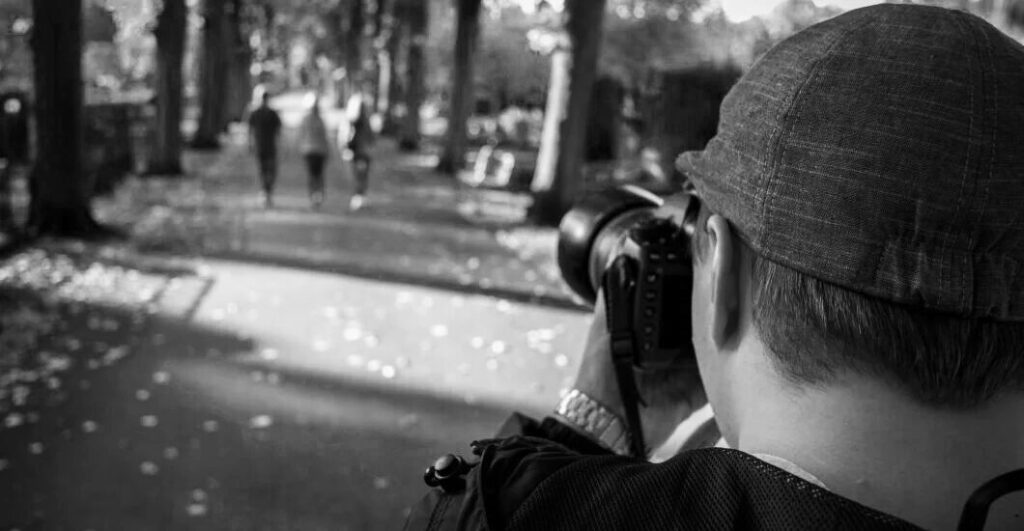
Cemetery Photography Tips: How to Capture Graveyards Respectfully
The Ethical Dilemma: To Relocate or Not to Relocate
Climate change introduces a moral puzzle.
When a cemetery becomes unsafe, authorities typically consider three options:
- Protect in Place – Build sea walls, improve drainage, elevate land.
- Document and Digitise – Preserve records even if physical graves are lost.
- Relocate Remains – Exhume and reinter in safer ground.
Each option carries consequences.
Protective infrastructure is expensive and not always effective long term. Digital archives preserve information but not presence. Relocation disrupts cultural traditions and can feel like a second burial.
Philosophically, we must ask: is memory tied to geography? Or can remembrance survive displacement?
Cemeteries are not merely storage spaces for bodies; they are sacred landscapes. Moving them reshapes identity itself.
Environmental Justice and Forgotten Cemeteries
Not all cemeteries receive equal protection.
Historically marginalised communities—particularly formerly enslaved populations and Indigenous groups—often have burial grounds in vulnerable, underfunded regions. These sites may lack formal recognition or legal protection.
When climate change strikes, these cemeteries are frequently the first to be neglected and the last to be restored.
This is where environmental justice intersects with cemetery preservation. Protecting burial grounds becomes not only a matter of heritage but of equity.
Whose ancestors are deemed worth saving?
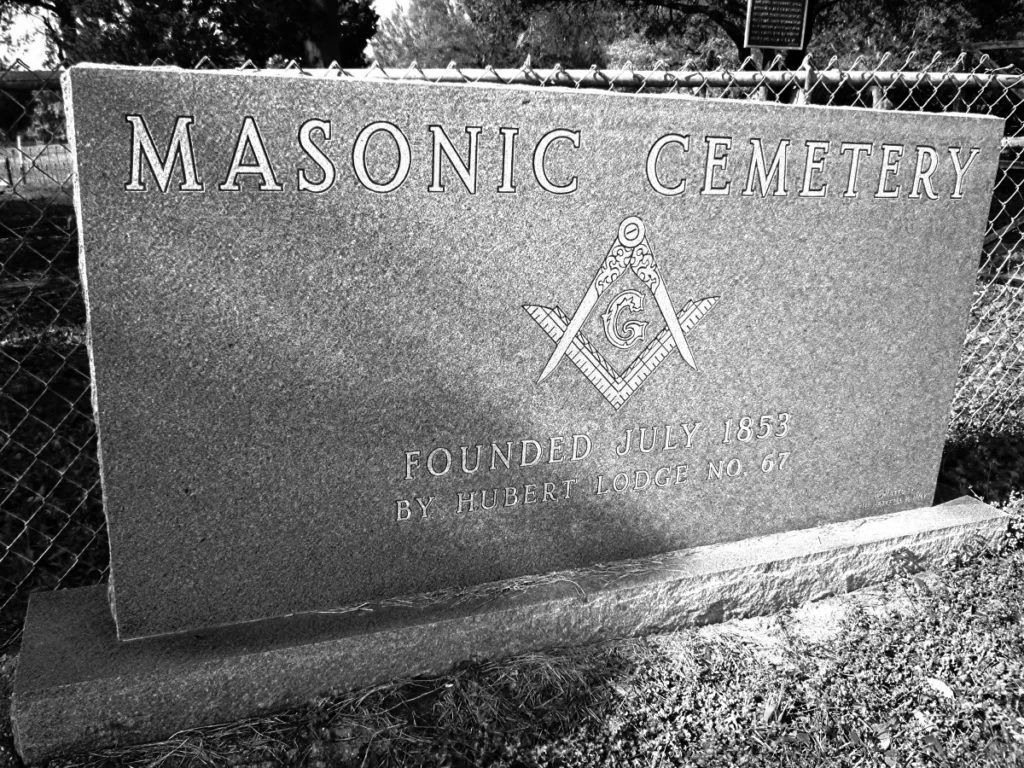
The Secret Codes of Freemason Gravestones
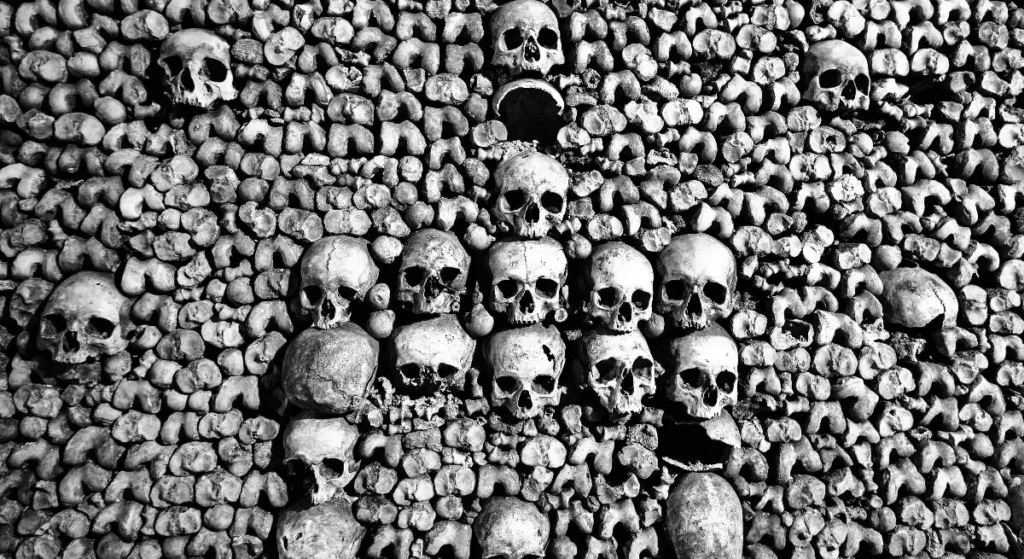
Why Do People Visit Graveyards? The Psychology of Dark Tourism
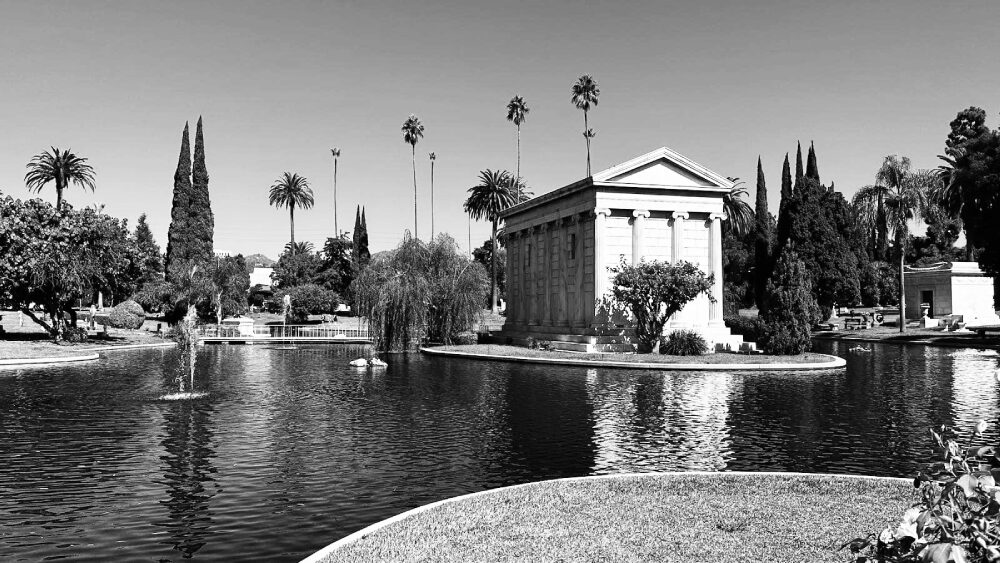
Hollywood Forever: How Cemeteries Turn Into Tourist Attractions
Green Burials and Climate-Conscious Cemeteries
Ironically, cemeteries themselves contribute modestly to environmental strain. Traditional burials use embalming fluids, concrete vaults, and non-biodegradable materials.
In response, a growing movement advocates for green burial practices—natural interment without chemical embalming, biodegradable coffins, and conservation-based cemetery design.
Organisations like Green Burial Council promote standards that reduce ecological impact.
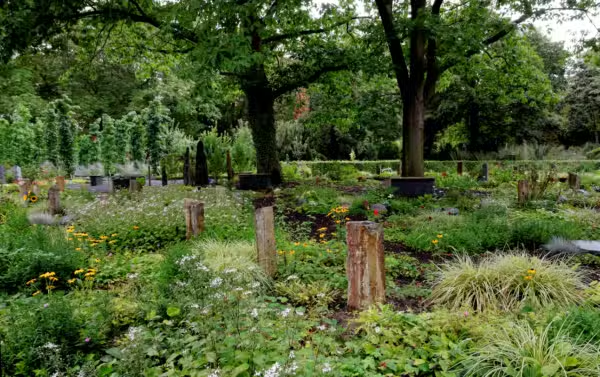
Some modern cemeteries now double as conservation areas, integrating wetlands restoration and native biodiversity. Rather than resisting nature, they work with it.
This represents a profound philosophical shift: from conquering the landscape in death to rejoining it.
Technology as a Preservation Tool
As climate pressures mount, digital documentation becomes essential.
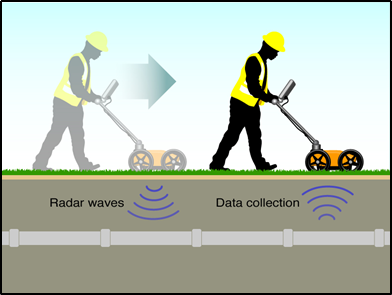
Ground-penetrating radar helps identify unmarked graves. 3D scanning preserves inscriptions before erosion erases them. Geographic information systems (GIS) map vulnerable sites.
Digital archives allow researchers and descendants to access records even if physical markers vanish.
Of course, a digital headstone lacks the tactile presence of cold marble. But in a world of rising tides, redundancy matters.
Think of it as backing up memory before the hard drive fails.
Policy, Planning, and the Future of Cemeteries
Urban planners increasingly include cemeteries in climate adaptation strategies. Flood modeling, land elevation projects, and zoning regulations now consider burial grounds as critical heritage infrastructure.
Forward-thinking municipalities treat cemeteries not as passive relics but as active components of environmental planning.
The conversation is evolving from reaction to prevention.
Could we design cemeteries resilient to sea-level rise? Elevated landscapes, permeable soils, strategic tree planting?
It may sound unusual, but sustainable cemetery design could become an architectural frontier.
After all, if we plan cities for climate resilience, why not cities of the dead?
Why This Matters: Memory in a Warming World
You might ask: with so many urgent crises, why focus on cemeteries?
Because cemeteries anchor memory. They connect generations. They hold genealogical data, artistic heritage, and cultural narratives.
When a cemetery erodes, it is not merely land loss. It is story loss.
Climate change challenges our assumptions about permanence. We once believed stone signified endurance. Now even granite yields to rising water.
Perhaps this crisis forces a deeper reckoning: nothing, not even our monuments to permanence, is immune to environmental change.
In that realisation lies both humility and responsibility.
Bottom Line
Climate change is redrawing coastlines—and unsettling the quiet landscapes we thought eternal. Rising sea levels and intensified storms threaten cemeteries across the globe, exposing graves, eroding monuments, and confronting communities with difficult ethical choices.
Yet within this disruption lies opportunity. Through conservation science, digital innovation, equitable policy, and sustainable burial practices, we can reimagine how cemeteries function in a warming world.
The dead may not speak, but the ground does. And it is telling us something urgent.
Leave a Reply