The Ethics of Cemetery Tourism: Respect vs. Curiosity
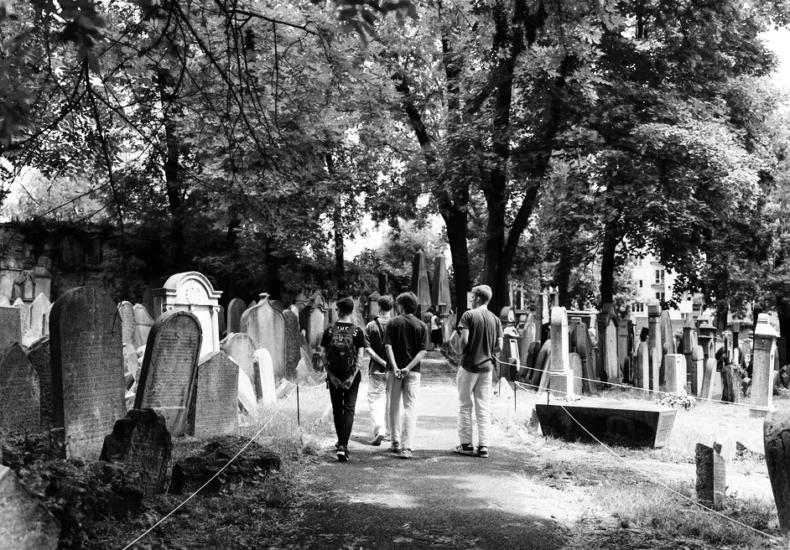
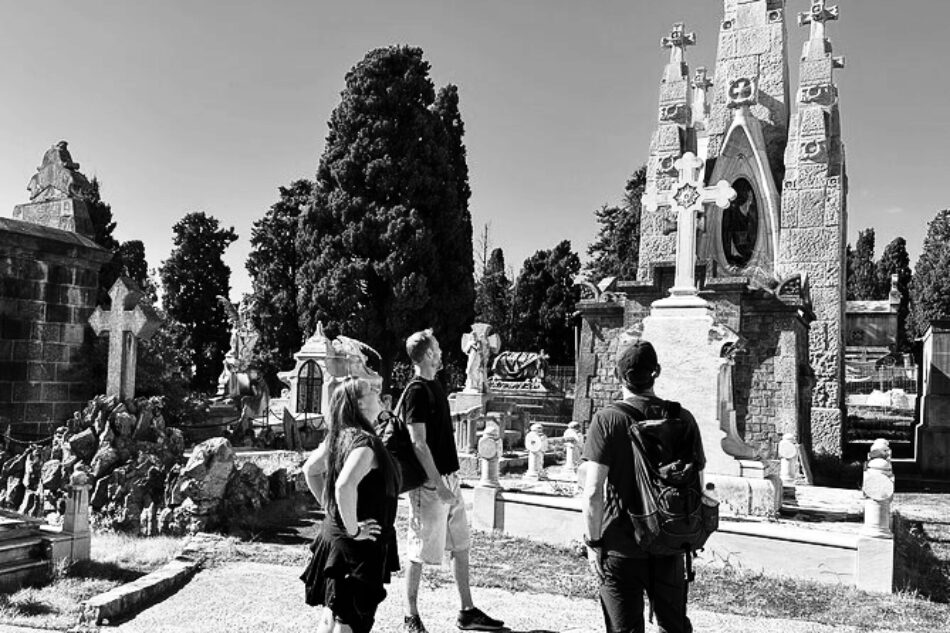
Walk through any historic cemetery and you will notice something curious: some visitors carry flowers; others carry cameras. Some whisper prayers; others whisper, “Where’s the famous grave?” Cemeteries have quietly transformed from solemn resting places into cultural landmarks, outdoor museums, and, at times, bucket-list destinations. But here’s the question we cannot avoid: When we visit cemeteries as tourists, are we honoring the dead—or consuming them?
Cemetery tourism, often grouped under the broader umbrella of dark tourism, sits at a delicate intersection. It blends heritage, art, architecture, history, anthropology, and sometimes morbid fascination. It invites reflection, yet risks spectacle. In this article, we will unpack the ethical tension between respect and curiosity, explore the philosophical foundations of remembrance, and examine how travelers can walk the fine line between homage and intrusion. Let us tread carefully.
Contents
- What Is Cemetery Tourism? A Cultural Phenomenon
- Why Are We Drawn to Cemeteries? The Psychology of Curiosity
- Cemeteries as Open-Air Museums
- The Thin Line Between Education and Exploitation
- Sacred Space or Public Space? The Ownership Question
- Social Media and the Performance of Death
- Cultural Sensitivity and Global Perspectives
- Dark Tourism and Moral Responsibility
- The Benefits of Ethical Cemetery Tourism
- Practical Guidelines for Respectful Cemetery Tourism
- Curiosity as Reverence: Reframing the Narrative
- Bottom Line
- FAQs
What Is Cemetery Tourism? A Cultural Phenomenon
Cemetery tourism refers to the practice of visiting burial grounds for historical, artistic, genealogical, architectural, or cultural interest rather than solely for mourning. From the monumental lanes of Père Lachaise Cemetery to the ivy-draped pathways of Highgate Cemetery, these sites attract millions of visitors annually.
But this is not a modern invention. In the nineteenth century, garden cemeteries were designed as public parks before public parks even existed. Families picnicked among tombstones. Strolling through burial grounds was not macabre; it was fashionable. Death, then, was woven visibly into daily life.
Today, however, the stakes feel different. Social media has introduced new motivations: visibility, virality, aesthetic curation. A grave becomes a backdrop. A mausoleum becomes “content.” And so the ethical question intensifies.

Why Are We Drawn to Cemeteries? The Psychology of Curiosity
Let’s be honest. Cemeteries intrigue us. Why?
Is it mortality staring back at us from stone? Is it the narrative power of epitaphs? Or is it something more primal—the human fascination with the forbidden?
Psychologically, cemeteries offer what scholars call “mortality salience.” They remind us that life is finite. Yet paradoxically, they also provide comfort. A gravestone freezes a life into language. It says: This person mattered.
Visiting cemeteries can therefore be an act of existential curiosity. We seek stories. We seek continuity. We seek perspective.
But curiosity, like fire, can warm or burn.

Cemeteries as Open-Air Museums
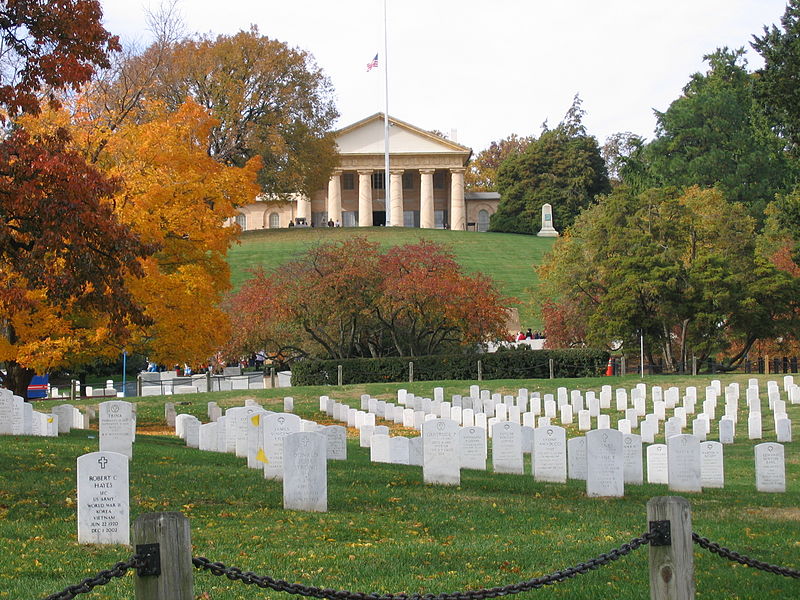
Many historic cemeteries are masterpieces of sculpture, landscape design, and architecture. Walk through Arlington National Cemetery and you encounter not merely graves but national memory carved into marble. Wander into Recoleta Cemetery and you step into a miniature city of mausoleums that rival cathedrals in detail.
Should we deny visitors access to such cultural heritage?
Certainly not. Cemeteries preserve artistic traditions—Gothic revival carvings, neoclassical columns, angelic sculptures that appear poised to take flight. They tell us how societies imagined death. They show us who was honored, who was forgotten, and how power manifested even in burial.
In this sense, cemetery tourism can function as education. It transforms passive stone into active history.
The ethical challenge emerges when education morphs into entertainment.
The Thin Line Between Education and Exploitation
There is a profound difference between studying a site and staging a selfie atop it.
When visitors climb onto graves for photographs or treat burial sites as theatrical props, respect erodes. The dead become aesthetic objects rather than remembered individuals. The cemetery shifts from sacred space to spectacle.
We must ask ourselves: Would we behave this way at a family member’s grave?
The commercialization of cemetery tours further complicates the issue. Guided “ghost tours” in historic cemeteries often blur fact and fiction. While storytelling can illuminate history, sensationalism risks trivialising real human lives.
Consider how haunted narratives shape perceptions of sites like Greyfriars Kirkyard. Legends attract visitors, yes—but do they overshadow historical realities?
Ethics demands balance.

Sacred Space or Public Space? The Ownership Question
Cemeteries occupy a peculiar spatial category. They are often publicly accessible yet spiritually intimate. They function as communal heritage while remaining personal mourning sites.
So who owns them?
Legally, municipalities or private trusts may manage cemeteries. Emotionally, families claim them. Culturally, society inherits them. This layered ownership creates ethical complexity.
When tourists enter a cemetery, they are stepping into layered meaning. They are not simply visiting a monument; they are entering someone’s grief landscape.
Respect, therefore, is not optional. It is foundational.
Social Media and the Performance of Death
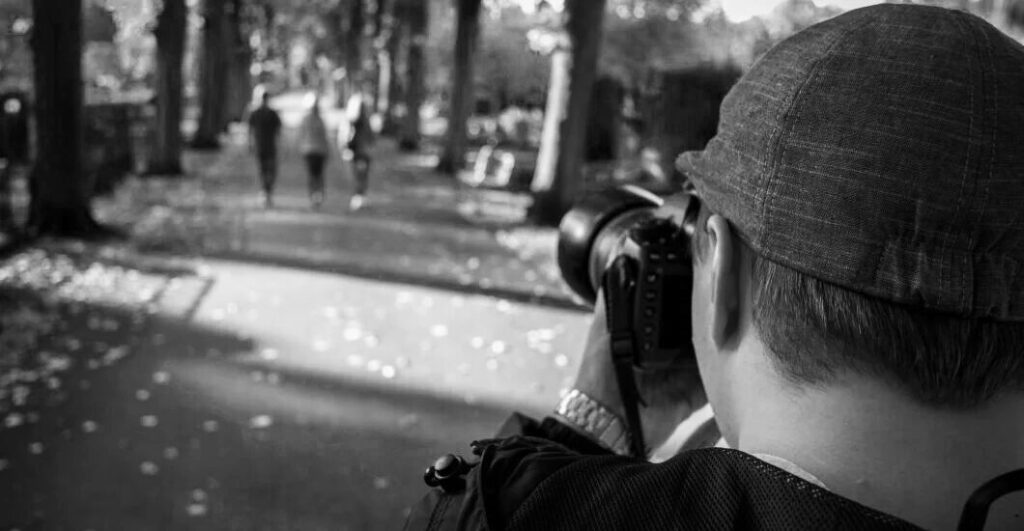
We live in an era of curated experience. A visit unposted is a visit that “did not happen.” But what happens when cemeteries become aesthetic stages?
Images of dramatic angels silhouetted at sunset can indeed capture beauty. Yet captions that reduce graves to hashtags risk flattening lives into décor.
Is photographing a grave inherently disrespectful? Not necessarily. Documentation can preserve memory. But intention matters. Context matters. Consent matters—especially when photographing recent graves.
We must ask ourselves: Am I documenting history, or am I commodifying it?
The camera, like curiosity, requires discipline.
Cultural Sensitivity and Global Perspectives
Burial practices vary widely across cultures. What is acceptable in one society may be taboo in another.
In some cultures, graves are visited frequently, cleaned, decorated, even celebrated. In others, they remain solemn and rarely disturbed. Tourists unaware of local customs may unintentionally violate deeply held beliefs.
Ethical cemetery tourism requires research. It requires humility. It requires listening before photographing, observing before speaking.
A cemetery is not a universal language. It is culturally encoded.
Dark Tourism and Moral Responsibility
Cemetery tourism often intersects with dark tourism—the practice of visiting sites associated with death and tragedy. But not all cemetery visits are equal.
Visiting a celebrity grave out of admiration differs from touring mass graves out of curiosity. The moral weight shifts depending on context.
Sites of collective trauma demand heightened sensitivity. Silence may be more appropriate than storytelling. Reflection more appropriate than recreation.
We must ask: Are we bearing witness—or merely passing through?
Ethical tourism transforms the visitor from consumer to custodian.
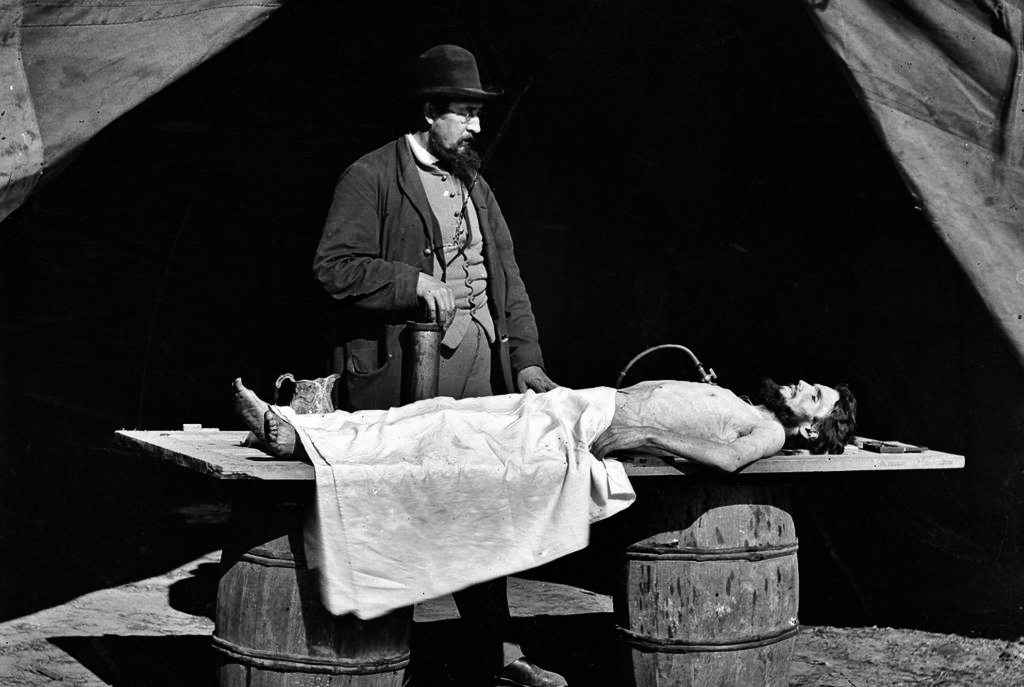
The Science of Embalming: A Deep Dive into Preservation Methods
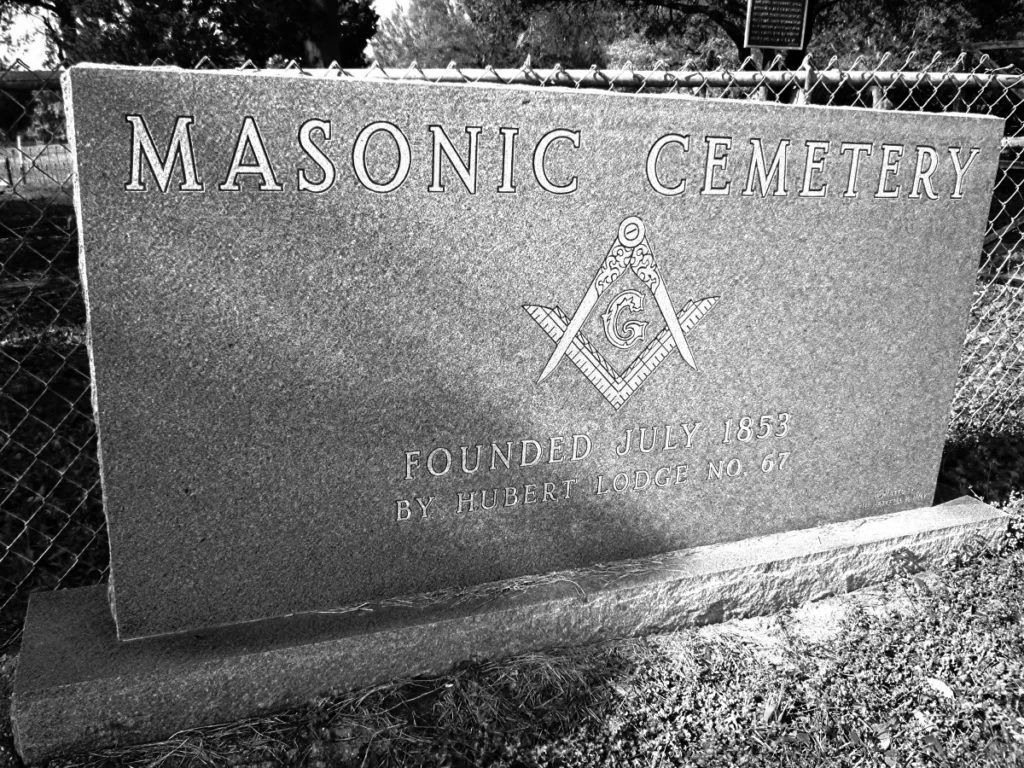
The Secret Codes of Freemason Gravestones
The Benefits of Ethical Cemetery Tourism
Let us not paint all curiosity as suspect. Responsible cemetery tourism offers tangible benefits:
- Preservation Funding: Tourism revenue can support conservation efforts.
- Historical Awareness: Visitors learn about forgotten narratives.
- Community Engagement: Local guides share cultural memory.
- Genealogical Research: Families reconnect with ancestral roots.
In this way, cemetery tourism can sustain memory rather than exploit it.
Curiosity, when guided by reverence, becomes stewardship.
Practical Guidelines for Respectful Cemetery Tourism
If we wish to balance respect and curiosity, we must translate ethics into action. Consider these principles:
- Observe Silence: Keep voices low. This is not a theme park.
- Do Not Touch or Climb: Gravestones are fragile historical artifacts.
- Avoid Disrupting Mourners: Give space to those grieving.
- Research Cultural Norms: Learn local customs before visiting.
- Photograph Thoughtfully: Avoid intrusive or sensational imagery.
- Support Preservation Efforts: Donate when possible.
Think of yourself not as a tourist but as a guest. Guests behave with care.
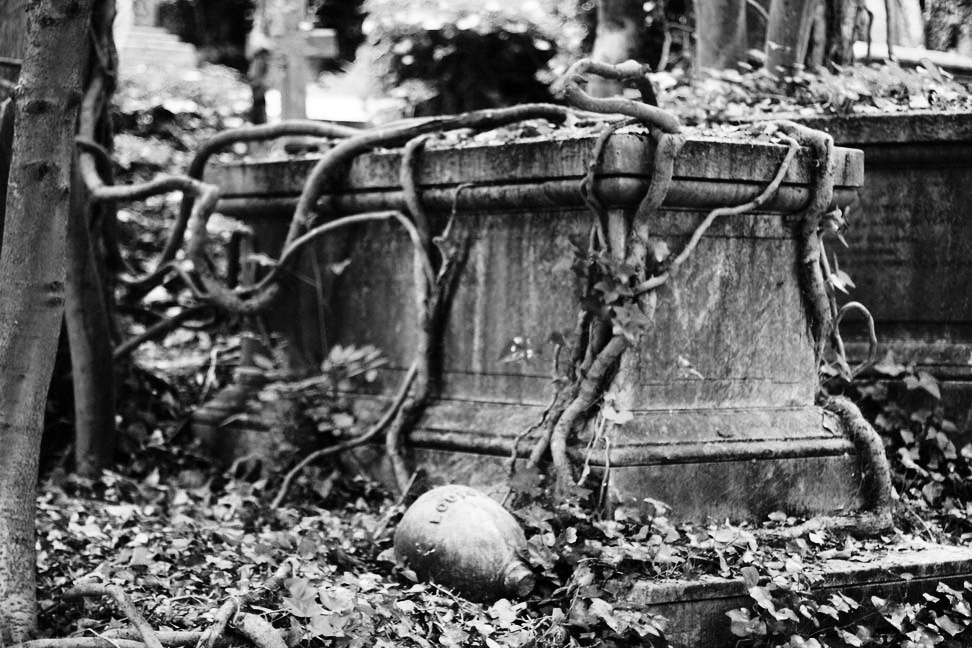
The Highgate Cemetery Curse: Fact or Fiction?
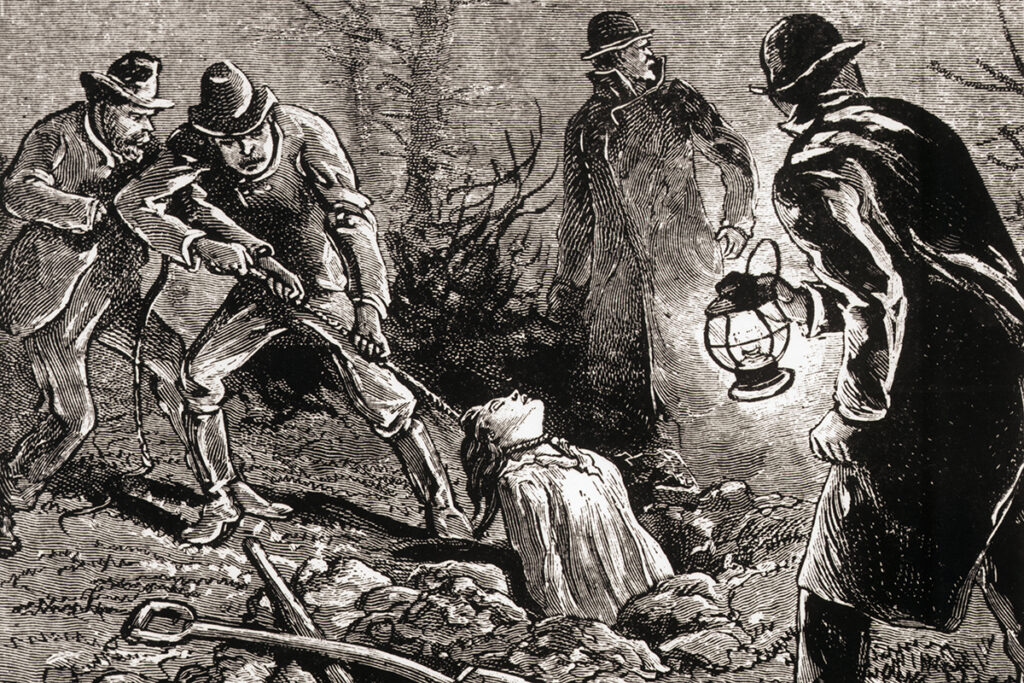
When the Dead Go Missing: Grave Robbing & Stolen Corpses in History
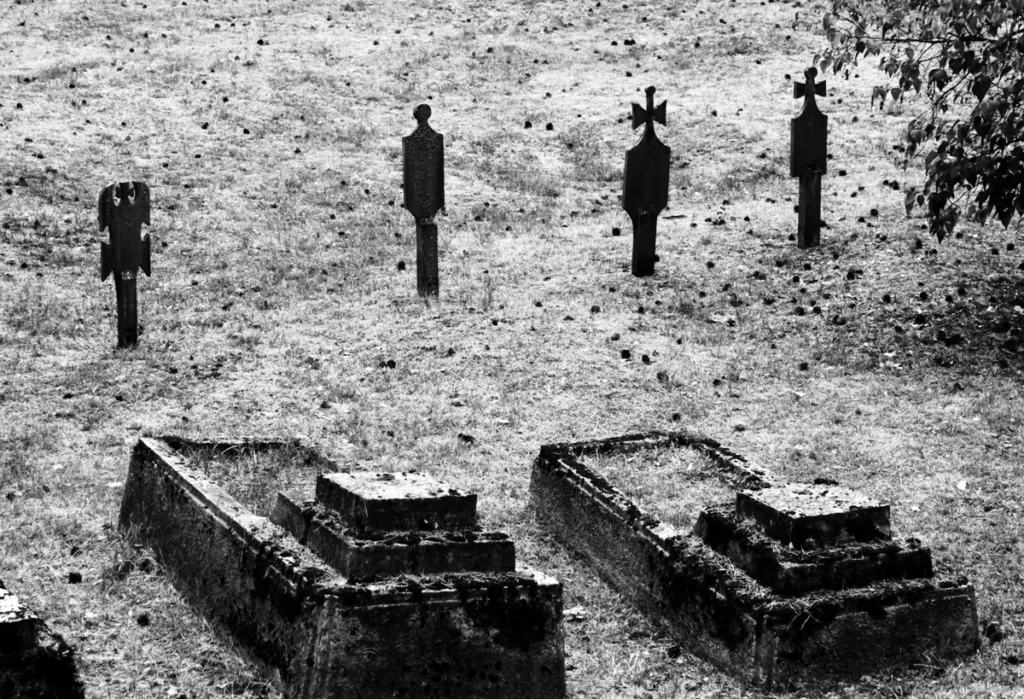
The Lost Cemeteries of the World: Forgotten Burial Grounds Rediscovered
Curiosity as Reverence: Reframing the Narrative
Perhaps the problem is not curiosity itself but unexamined curiosity.
Curiosity can be reverent. It can ask, “Who were you?” instead of “How spooky is this?” It can read epitaphs slowly. It can imagine lives beyond dates carved in stone.
When we approach cemeteries as archives of humanity rather than stages for spectacle, we shift from consumption to contemplation.
Cemeteries become classrooms without walls. Libraries without books. Cities of the silent, still speaking.
Bottom Line
The ethics of cemetery tourism ultimately hinge on intention. Respect and curiosity are not enemies; they are uneasy companions. One tempers the other.
We visit cemeteries because we are human. We seek stories. We seek art. We seek perspective on our own impermanence. But in seeking, we must remember that these spaces hold real grief and real memory.
So the next time you walk beneath the shadow of an angel statue or trace your fingers near a weathered epitaph (without touching, of course), pause. Ask yourself: Am I honouring this life—or merely observing it?
If you can answer honestly—and act accordingly—you have already resolved the ethical tension.
Leave a Reply