The Highgate Cemetery Curse: Fact or Fiction?
There is something about cemeteries that invites stories. Not just memories—stories. The kind that linger, whisper, and occasionally refuse to stay buried. And few places embody this eerie narrative tension better than Highgate Cemetery in London.
But here’s the question that refuses to die: is there truly a curse haunting its shadowy pathways, or are we simply projecting our fears onto crumbling stone and overgrown ivy?
The legend of the so-called “Highgate Vampire” has fueled decades of fascination, debate, and outright skepticism. It sits at the crossroads of folklore, media sensationalism, and psychological intrigue. So, let’s step carefully, both into history and into myth, and ask what lies beneath the surface.
Contents
- The Setting: A Cemetery Built for the Romantic Imagination
- The Birth of the Legend: The Highgate Vampire
- Media Sensationalism: When Stories Take on a Life of Their Own
- Psychological Projection: Seeing What We Expect to See
- The Role of Folklore: Why We Need Ghosts
- Investigations and Skepticism: Debunking the Curse
- The Damage of Belief: When Myth Turns Destructive
- Highgate Today: Between History and Hysteria
- Fact vs. Fiction: Where Do We Draw the Line?
- Bottom Line
- FAQs
The Setting: A Cemetery Built for the Romantic Imagination
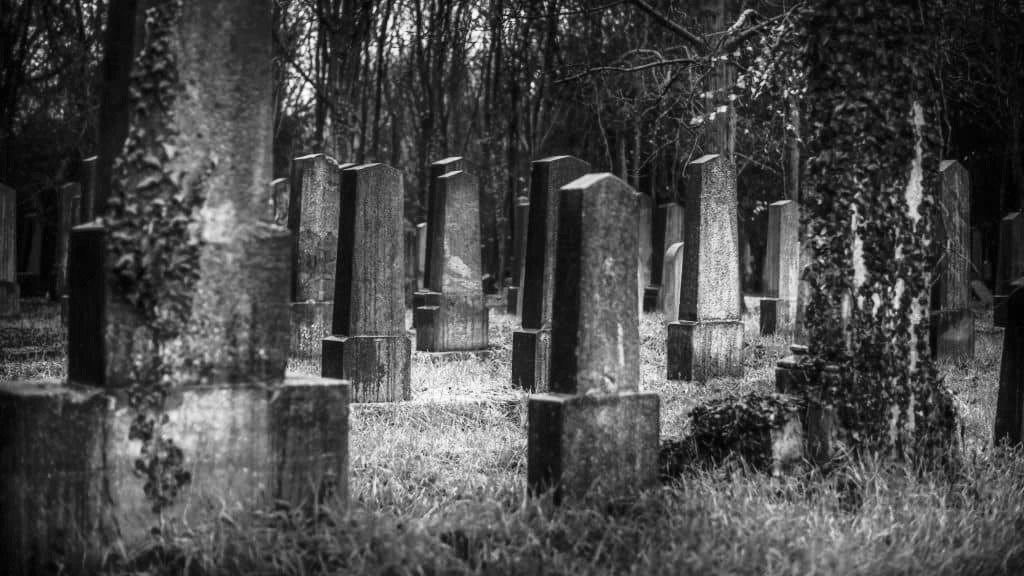
Before we even touch the supernatural, consider the setting. Highgate Cemetery, established in 1839, is not your average burial ground. It is, quite frankly, theatrical.
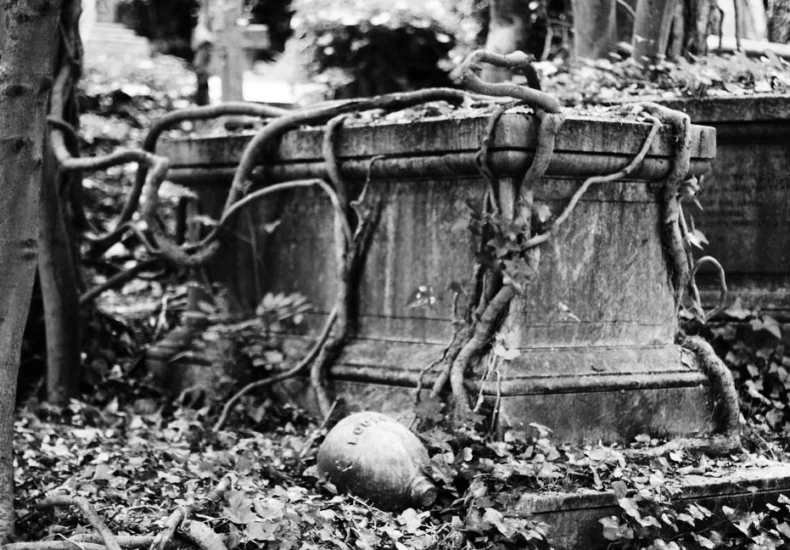
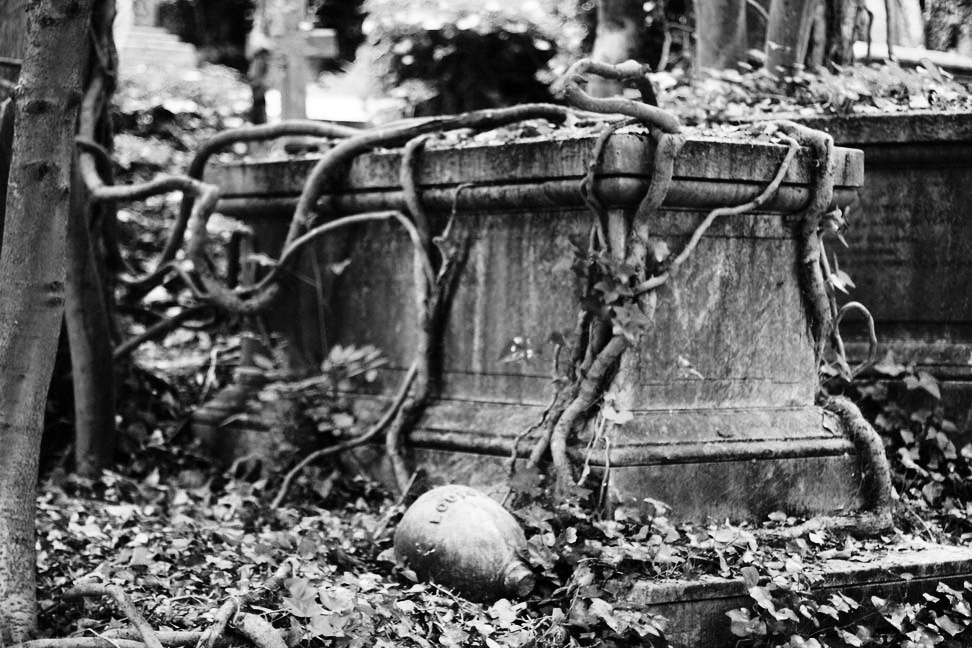
Towering trees, winding paths, Gothic architecture, and elaborate mausoleums—this is a place that feels designed for ghost stories. It belongs to the era of the Victorian garden cemetery movement, where death was aestheticised and curated like an art form.
The cemetery itself seems to breathe history. Moss creeps over statues. Angels lean as if exhausted by eternity. Shadows stretch longer than they should.
Is it any wonder that imagination thrives here?
The Birth of the Legend: The Highgate Vampire
The story truly begins in the late 1960s and early 1970s, when reports of a mysterious figure began circulating.
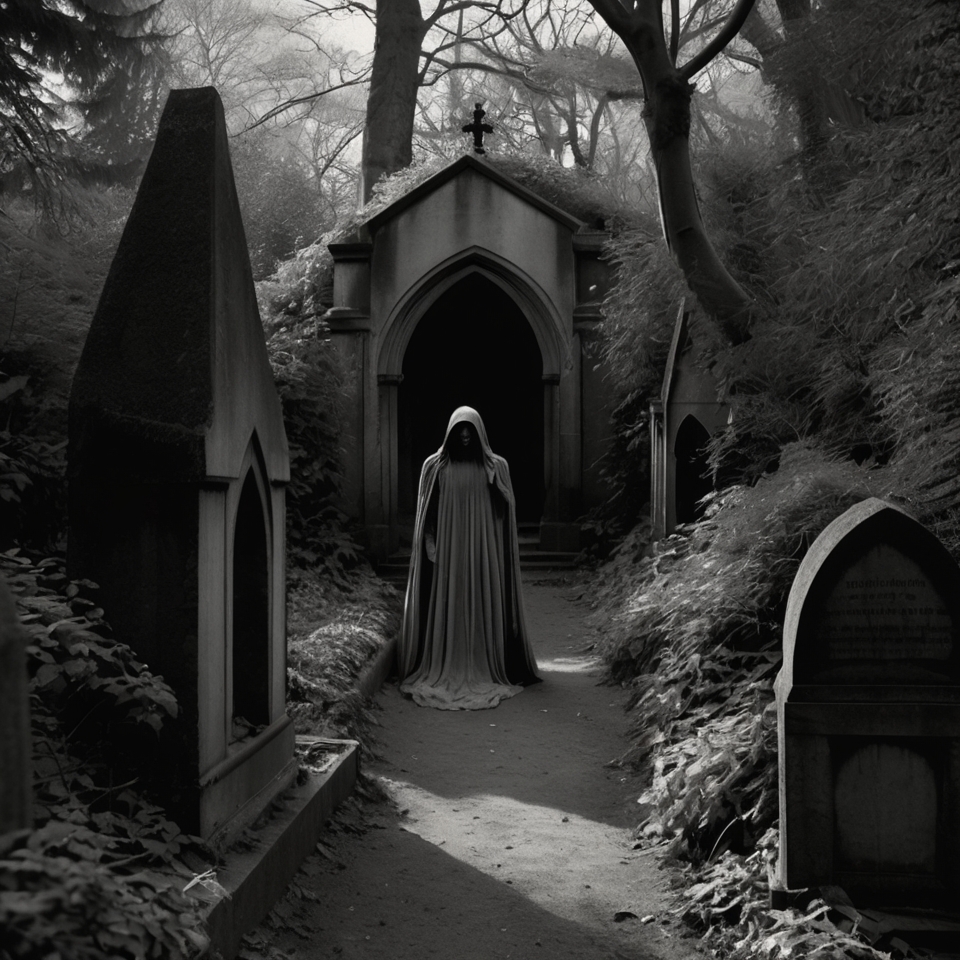
Witnesses claimed to see a tall, dark entity with glowing red eyes lurking among the graves. Some described it as a supernatural being. Others—more dramatically—as a vampire.
Soon, the legend snowballed.
Two amateur occultists, Sean Manchester and David Farrant, became central figures in the unfolding drama. Each claimed knowledge of the entity. Each sought to confront it. And each, perhaps unsurprisingly, fueled the media frenzy.
The situation escalated when a public “vampire hunt” was announced in 1970. Hundreds of people descended upon the cemetery at night, armed with crosses, stakes, and more enthusiasm than evidence.
What followed was chaos—vandalism, broken graves, and a surge of publicity.
The vampire, ironically, became more real through the spectacle.
Media Sensationalism: When Stories Take on a Life of Their Own
If fear is the spark, media is the oxygen.
Newspapers eagerly reported on the “Highgate Vampire,” often embellishing details to captivate readers. Headlines blurred the line between fact and fiction, turning anecdotal sightings into something resembling evidence.
But let’s pause here. What happens when a story is repeated often enough?
It evolves.
Like a game of telephone, each retelling adds a layer—more drama, more fear, more intrigue. The vampire was no longer just a shadowy figure; it became a symbol of something larger.
A modern myth, born not from ancient folklore, but from contemporary storytelling.
Psychological Projection: Seeing What We Expect to See
Human perception is a curious thing. We do not simply see—we interpret.
In a place like Highgate Cemetery, where the atmosphere is already charged with history and emotion, the mind becomes particularly… creative.
Shadows become figures. Silence becomes presence. A rustling branch becomes something watching you.
Psychologists might argue that the Highgate Vampire is less about the supernatural and more about projection. When people enter a space expecting eeriness, their senses sharpen, distort, and sometimes deceive.
It’s not that nothing is there—it’s that everything feels like something.
The Highgate Cemetery Curse: Fact or Fiction?
When the Dead Go Missing: Grave Robbing & Stolen Corpses in History
The Role of Folklore: Why We Need Ghosts
Why do stories like this persist?
Because they serve a purpose.
Folklore has always been humanity’s way of processing the unknown. Before science, there were spirits. Before psychology, there were curses.
The Highgate legend taps into something deeply human—the fear of death, the fascination with the afterlife, and the irresistible allure of the forbidden.
A cemetery without stories is just a collection of graves. But add a legend, and suddenly it becomes alive—ironically so.
Investigations and Skepticism: Debunking the Curse
Despite the dramatic claims, no credible evidence has ever confirmed the existence of a supernatural entity in Highgate Cemetery.
Investigations, both amateur and professional, have consistently failed to produce anything beyond anecdotal accounts.
No physical traces. No verifiable sightings. No scientific data.
Even the so-called “exorcisms” conducted by enthusiasts lack documentation or empirical support.
So, is the curse real?
From an academic standpoint, the answer leans heavily towards no.
But—and this is important—the absence of evidence does not necessarily erase belief.
The Damage of Belief: When Myth Turns Destructive
Here’s where the story takes a darker turn—not supernatural, but very real.
The vampire craze led to significant damage within the cemetery. Graves were disturbed. Coffins were opened. Historical monuments were vandalised.
All in the name of chasing something that may never have existed.
It raises an ethical question: at what point does curiosity become disrespect?
Cemeteries are, after all, spaces of remembrance. They are not stages for spectacle.
RELATED:
My Visit to Highgate Cemetery: A First-Hand Experience
Highgate Today: Between History and Hysteria
Today, Highgate Cemetery stands as both a historical landmark and a cultural curiosity.
Guided tours replace midnight hunts. Preservation efforts focus on protecting its architectural and historical value. And yet, the legend lingers.
Visitors still ask about the vampire. Still glance over their shoulders. Still feel that subtle, unshakable sense of unease.
Because once a story takes root, it rarely disappears.
Fact vs. Fiction: Where Do We Draw the Line?
So, what is the truth?
Is Highgate Cemetery cursed?
Or is it simply a mirror—reflecting our fears, our imagination, and our need to believe in something beyond ourselves?
Perhaps the answer lies somewhere in between.
Not in the existence of a vampire, but in the power of narrative. In the way stories shape perception, influence behaviour, and, occasionally, spiral out of control.
The curse, then, may not be supernatural at all.
It may be… human.
Bottom Line
The Highgate Cemetery Curse and the legend of the Vampire is less about a creature lurking in the shadows and more about the shadows within us.
It reveals how easily myth can take hold, how quickly fear can spread, and how deeply we crave mystery—even in places meant for rest.
Highgate Cemetery is not haunted by a vampire. It is haunted by stories. By imagination. By the delicate boundary between what we see and what we believe.
And perhaps that is far more unsettling.
Leave a Reply