Unexpected Beauty: The Hidden Charm of Small, Local Cemeteries
Let’s be honest—when people think of cemeteries, they usually imagine grand, historic landmarks. Vast avenues of marble, famous names etched in stone, the occasional tourist snapping a moody photograph. But what about the small ones? The overlooked, almost invisible cemeteries tucked behind village churches, hidden between city blocks, or resting quietly at the edge of rural roads?
We rarely talk about them. We rarely visit them. And yet, they may be the most intimate, authentic, and quietly beautiful spaces we have.
So here’s a thought: what if the true soul of remembrance isn’t found in the monumental, but in the modest?
Small, local cemeteries are not just places of burial—they are microcosms of community, memory, and time. They don’t shout. They whisper. And if you listen closely, they have quite a lot to say.
Contents
- The Beauty of Scale: Why Smaller Feels More Personal
- A Living Archive of Community History
- Nature’s Gentle Embrace: Where Life Meets Death
- Imperfect, and Therefore Beautiful
- The Silence That Speaks Volumes
- The Stories You Won’t Find Online
- A Different Kind of Tourism
- Cultural Identity in Miniature
- Why We Need These Spaces More Than Ever
- Bottom Line
- FAQs
The Beauty of Scale: Why Smaller Feels More Personal
Big cemeteries impress. Small cemeteries connect.
There’s something disarmingly human about walking through a compact burial ground. You’re not overwhelmed by grandeur or lost in endless rows of identical stones. Instead, you notice details. Names repeat. Dates overlap. Stories begin to intertwine.
It’s almost like reading a novel where every character is somehow related.
In a small cemetery, you might see generations of the same family resting side by side—grandparents, parents, children—all within a few meters. The space feels less like a public institution and more like a shared family album carved in stone.
And isn’t that what remembrance is supposed to be? Personal, not performative.
A Living Archive of Community History
If large cemeteries tell the story of a nation, small cemeteries tell the story of a neighbourhood.
Every headstone becomes a historical document. Not in the grand, textbook sense—but in a quieter, more intimate way. You’ll find clues about migration, occupations, epidemics, even local tragedies.
A cluster of identical dates might hint at a disease outbreak. A sudden gap in generations might suggest war. A foreign surname nestled among local ones? That’s migration, right there, etched in granite.
Unlike formal archives, these stories are not curated. They are raw. Unfiltered. Honest.
It’s history without the editor.
Nature’s Gentle Embrace: Where Life Meets Death
Here’s something paradoxical: small, local cemeteries often feel more alive than the cities surrounding them.
Why?
Because nature hasn’t been pushed out—it has been invited in.
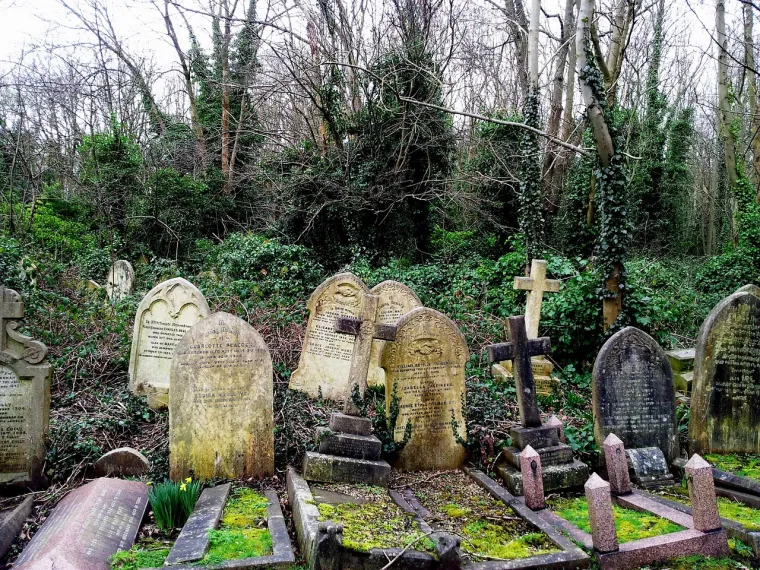
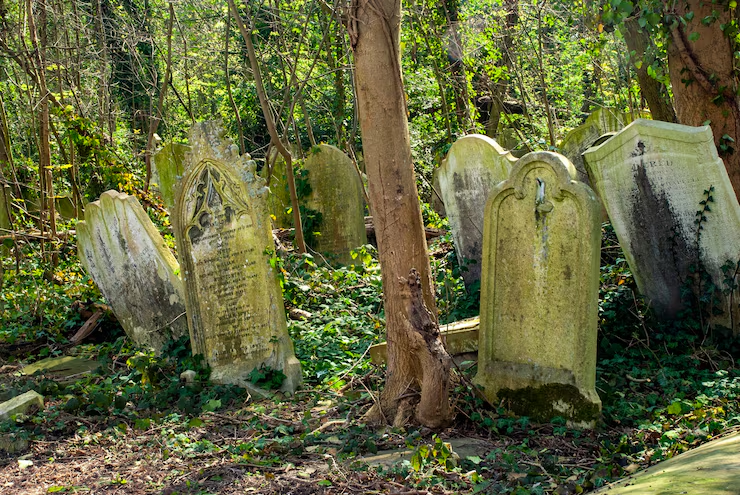
Wildflowers creep between graves. Moss softens the edges of headstones. Trees grow without strict geometry, casting uneven shadows that change with the hour. Birds nest. Insects hum. Seasons pass visibly, almost theatrically.
In these spaces, death doesn’t feel sterile. It feels… integrated.
There’s no harsh boundary between life and death—just a gradual blending. A quiet negotiation between what was and what continues to be.
It’s less about endings and more about transformation.
Imperfect, and Therefore Beautiful
Let’s talk about imperfection.
Large cemeteries are often meticulously maintained—symmetrical, polished, controlled. Small cemeteries? Not so much.
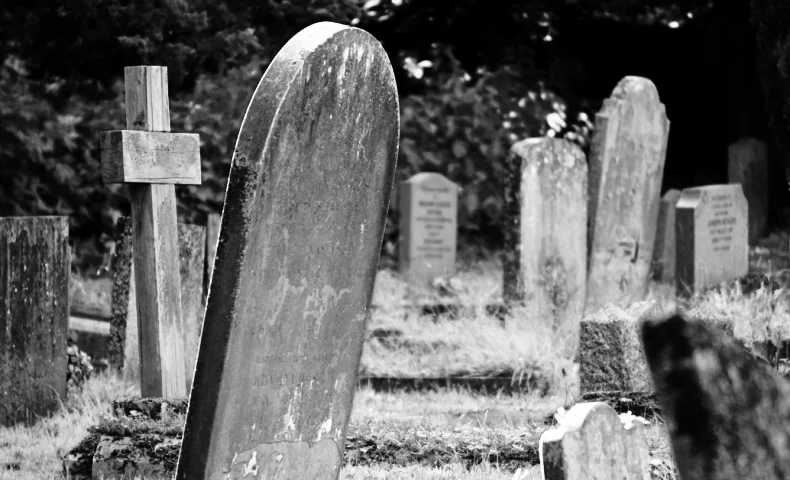
Gravestones tilt. Inscriptions fade. Paths disappear into grass. And strangely, this lack of perfection creates a different kind of beauty—one that feels authentic rather than staged.
Think of it like an old book versus a brand-new one. The worn pages, the creases, the slight discoloration—they don’t diminish its value. They enhance it.
In the same way, a weathered headstone tells a richer story than a pristine one. It carries time on its surface.
And time, as it turns out, is the ultimate artist.

The Silence That Speaks Volumes
We often associate silence with emptiness. But in small, local cemeteries, silence is anything but empty.
It’s dense. Almost tangible.
Without the noise of crowds or traffic, you become more aware—of your surroundings, your thoughts, even your own breathing. The space invites reflection, not as a forced activity, but as a natural response.
You don’t have to try to think deeply. It just… happens.
Why is that?
Perhaps because these spaces strip away distractions. They confront you, gently but persistently, with the reality of time, memory, and mortality.
And in doing so, they offer something rare: clarity.
The Stories You Won’t Find Online
In an age of digital everything, we assume that all stories are searchable. Indexed. Available at the click of a button.
Small cemeteries challenge that assumption.
Most of the people buried there will never have a Wikipedia page. Their lives won’t be documented in archives or databases. And yet, their stories exist—fragmented, hinted at, waiting to be imagined.
A simple inscription—“Beloved Mother”—raises questions. Who was she? What was her life like? What did she love? What did she lose?
You don’t get answers. You get possibilities.
And in a strange way, that makes the experience more engaging. You’re not just reading history—you’re participating in it.
A Different Kind of Tourism
Let’s address the idea of visiting cemeteries as a form of travel.
Yes, large, famous cemeteries attract tourists—and for good reason. But small cemeteries offer something entirely different: authenticity without performance.
There are no guided tours. No marked “must-see” graves. No souvenir shops.
Just you, the space, and whatever you choose to notice.
It’s slower. More introspective. Less about ticking boxes and more about experiencing a place.
In a world obsessed with highlights, small cemeteries invite you to appreciate the margins.
Cultural Identity in Miniature
Every small, local cemetery is a reflection of its community’s values, beliefs, and traditions.
Religious symbols, burial styles, epitaph language—all of it reveals something about the people who lived (and died) there. You might notice local dialects in inscriptions, specific iconography tied to regional beliefs, or unique burial practices passed down through generations.
It’s culture, distilled.
Not the version presented in museums or textbooks—but the lived, everyday version. The kind that evolves quietly, without announcement.
And perhaps that’s what makes it so compelling.
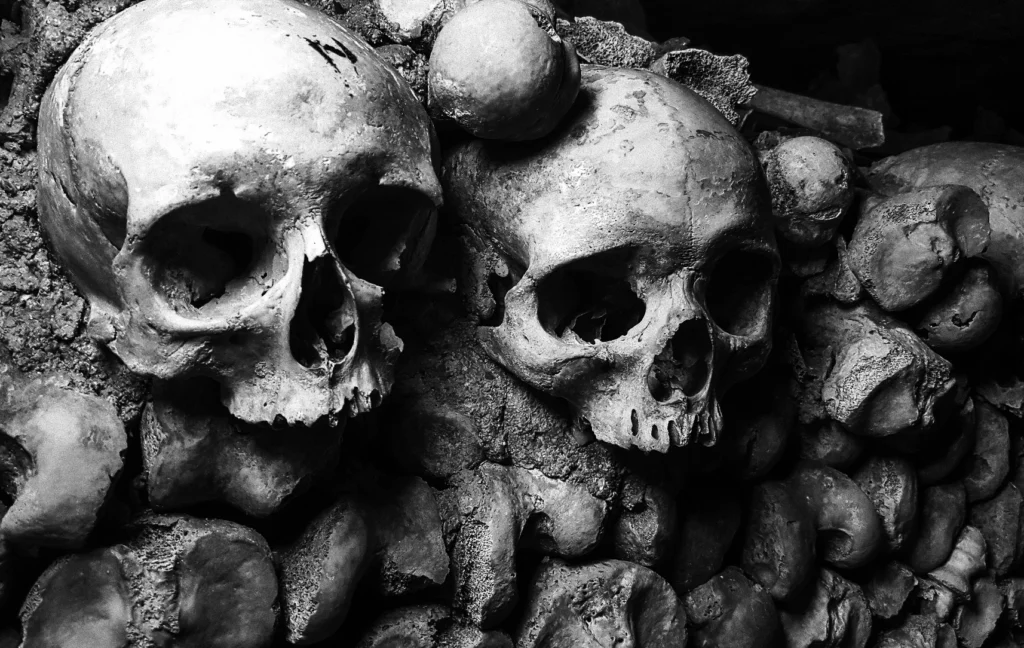
Visiting the Catacombs of Paris: What Lies Beneath the City of Light

Unexpected Beauty: The Hidden Charm of Small, Local Cemeteries
Why We Need These Spaces More Than Ever
In modern life, we are constantly moving—physically, digitally, emotionally. We consume information rapidly, rarely pausing to reflect.
Small cemeteries resist that pace.
They ask you to slow down. To observe. To think. Not in a dramatic, existential way—but in a grounded, human one.
They remind us that life is finite, yes—but also meaningful. That every name, no matter how unknown, represents a complete, complex existence.
And in doing so, they offer a subtle but powerful perspective shift.
Not everything needs to be grand to matter.
Bottom Line
Small, local cemeteries may never make it onto travel bucket lists. They won’t trend on social media or attract international attention.
But perhaps that’s precisely their strength.
They exist outside the spectacle. Outside the noise. Offering a quieter, deeper connection to history, nature, and ourselves.
So the next time you pass by a small cemetery, don’t dismiss it as insignificant. Step inside. Walk slowly. Read a name or two.
You might find that in these modest, overlooked spaces lies a kind of beauty that grand monuments can never quite replicate.
Leave a Reply