Cemetery Desecration and Grave Robbing: A Historical and Modern Perspective
For as long as humans have buried their dead, others have found reasons to disturb them.
It is a grim reality that cemeteries, often regarded as sacred spaces of remembrance and respect, have also been targets of theft, vandalism, and desecration throughout history. Whether motivated by greed, scientific curiosity, political ideology, religious conflict, or simple mischief, grave robbers and cemetery vandals have left a dark mark on humanity’s relationship with death.
Why would anyone steal from the dead? What value can be found beneath a gravestone? And why does cemetery desecration continue even in the modern world?
The answers reveal a fascinating and unsettling story that spans thousands of years. From ancient Egyptian tomb raiders and Victorian body snatchers to contemporary acts of vandalism and artifact theft, cemetery desecration offers a unique lens through which to examine changing attitudes toward death, morality, property, and memory.
This article explores the history, motivations, consequences, and modern challenges surrounding cemetery desecration and grave robbing, shedding light on one of the darkest chapters in funerary history.
Contents
- What Is Cemetery Desecration?
- Ancient Grave Robbing: A Crime Older Than History
- The Roman and Medieval Worlds
- Body Snatching and the Rise of Medical Science
- Burke and Hare: When Grave Robbing Became Murder
- Colonialism, Archaeology, and the Ethics of Excavation
- Modern Cemetery Desecration
- Political and Ideological Vandalism
- The Influence of Popular Culture
- Why Grave Desecration Matters
- Protecting Cemeteries in the Twenty-First Century
- The Future of Cemetery Preservation
- Bottom Line
- FAQs
What Is Cemetery Desecration?
Cemetery desecration refers to the intentional damage, disturbance, or violation of graves, tombs, monuments, or burial grounds.
Such acts may include:
- Destroying gravestones
- Defacing monuments
- Exhuming human remains
- Stealing burial artifacts
- Looting tombs
- Conducting unauthorised excavations
- Damaging sacred burial landscapes
While grave robbing is often associated with theft, desecration can also occur for ideological, political, religious, or personal reasons.
At its core, cemetery desecration violates both physical space and cultural memory. A grave is more than a patch of earth—it is a symbolic bridge between the living and the dead.
Ancient Grave Robbing: A Crime Older Than History
Many people assume grave robbing is a modern problem. In reality, it is almost as old as burial itself.
The ancient Egyptians provide one of the earliest documented examples.
Despite elaborate security measures, hidden chambers, curses, and sealed entrances, Egyptian tombs were frequently looted. Gold jewelry, precious stones, ceremonial objects, and luxury goods made royal tombs irresistible targets.
Ironically, many tomb robbers operated shortly after burial, often with insider knowledge. Corrupt workers, guards, and officials sometimes participated in the thefts.
Even the famous pyramids suffered extensive looting over centuries.
Archaeologists estimate that the overwhelming majority of ancient Egyptian tombs were robbed long before modern excavations began.
The treasures intended to accompany the deceased into eternity often ended up funding someone else’s future.
The Roman and Medieval Worlds
The Romans also experienced grave theft, particularly when valuable grave goods accompanied the deceased.
Jewelry, coins, weapons, and decorative items frequently attracted thieves.
During the Middle Ages, the situation became more complex. Religious relics gained tremendous value throughout Christian Europe.
The remains of saints were considered sacred and capable of performing miracles. As demand increased, so did theft.
Churches occasionally competed for relics, leading to what historians sometimes describe as a medieval “holy theft” industry.
Bodies and bones became valuable commodities.
What appears shocking today was often justified as serving a higher religious purpose.
Body Snatching and the Rise of Medical Science
Perhaps the most infamous period of grave robbing occurred during the eighteenth and nineteenth centuries.
Medical schools were expanding rapidly, and anatomy became essential to scientific education. However, obtaining legal cadavers for dissection proved difficult.
The demand far exceeded the supply.
Enter the resurrectionists.
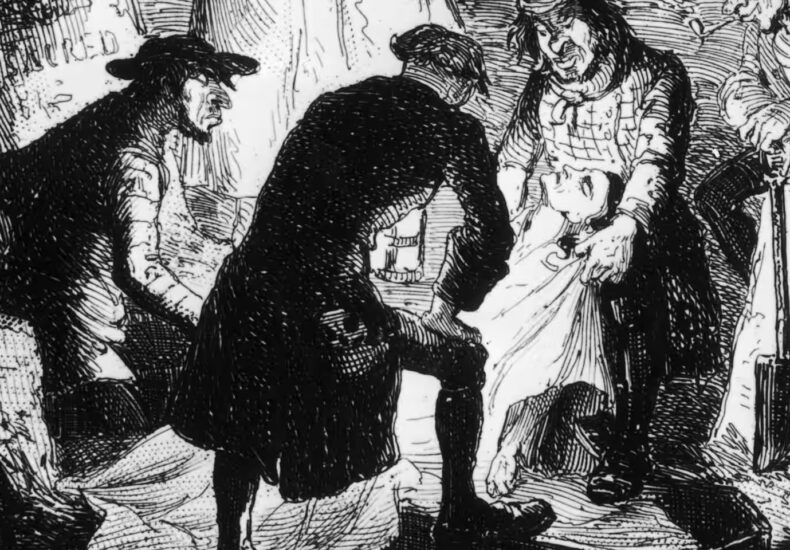
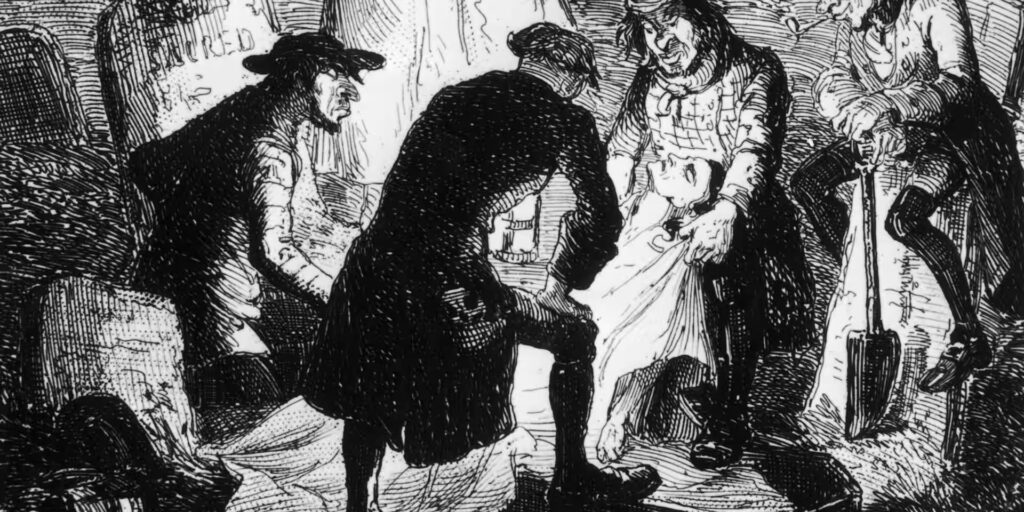
These professional body snatchers specialised in digging up recently buried corpses and selling them to medical institutions.
Fresh bodies commanded high prices.
The trade became particularly widespread in Britain and North America.
Nighttime cemetery raids became common. Families often guarded graves for days after burial. Iron cages known as mortsafes were installed over graves to prevent theft.
Some cemeteries even employed watchmen.
The public feared grave robbers almost as much as death itself.
Burke and Hare: When Grave Robbing Became Murder
The most notorious case associated with body snatching involved the infamous duo of Burke and Hare in nineteenth-century Edinburgh.
Rather than digging up corpses, they discovered a far more profitable method.
They created them.
Burke and Hare murdered vulnerable individuals and sold their bodies to anatomy schools.
Their crimes horrified the public and exposed the dangerous consequences of the cadaver shortage.
The scandal ultimately contributed to legal reforms governing the supply of bodies for medical education.
Sometimes history advances through uncomfortable lessons.
Colonialism, Archaeology, and the Ethics of Excavation
Not all grave disturbances were committed by criminals.
During the nineteenth and early twentieth centuries, archaeologists and colonial powers removed countless human remains and burial artifacts from indigenous and ancient cemeteries.
Mummies were shipped to museums.
Skeletons were collected for scientific study.
Sacred burial objects were displayed in foreign institutions.
At the time, these practices were often considered legitimate scholarship.
Today, many communities view them differently.
Questions about ownership, consent, cultural heritage, and repatriation have become central debates in archaeology and museum ethics.
Were these excavations scientific discoveries or forms of cultural grave robbing?
The answer often depends on who is telling the story.
Cemetery Desecration and Grave Robbing: A Historical and Modern Perspective
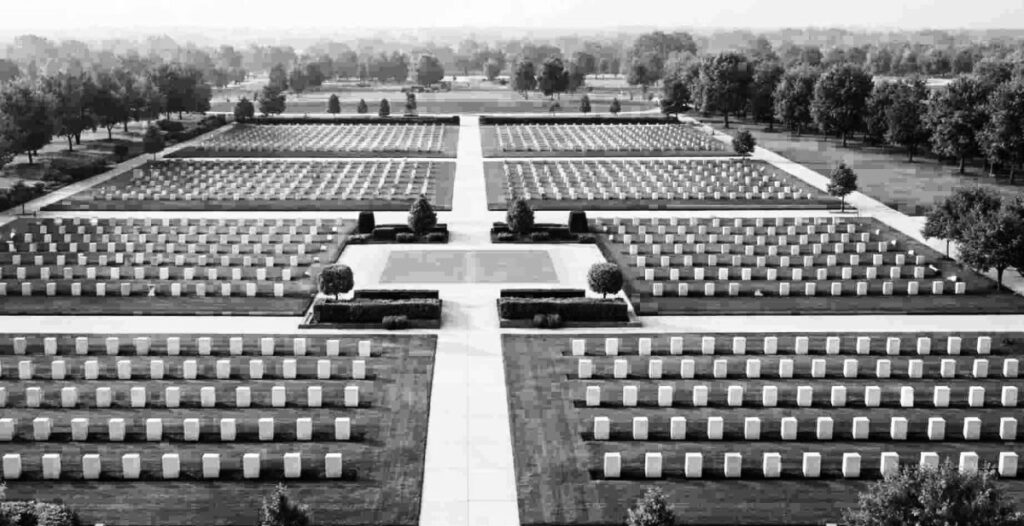
Who Owns the Dead? Legal & Moral Dilemmas in Cemetery Management
Modern Cemetery Desecration
One might assume that grave robbing disappeared with modern laws and security systems.
Unfortunately, it remains a global issue.
Modern cemetery desecration takes several forms.
Theft of Valuable Materials
Bronze plaques, statues, metal fences, and decorative ornaments are frequently stolen and sold as scrap metal.
Historic cemeteries are particularly vulnerable.
In some cases, thieves cause thousands of euros in damage while stealing items worth only a fraction of that amount.
Artifact Theft
Rare gravestone carvings, antique funeral decorations, and historic memorial objects are sometimes stolen by collectors.
Such thefts erase important historical evidence.
Once removed from their context, these artifacts lose much of their cultural significance.
Political and Ideological Vandalism
Throughout history, cemeteries have often become targets during periods of social conflict.
Jewish cemeteries, Muslim burial grounds, Christian graveyards, and indigenous cemeteries have all suffered acts of vandalism motivated by hatred or prejudice.
These attacks are rarely about the dead.
Instead, they are symbolic attacks on the living communities connected to those burial sites.
A damaged gravestone can become a message of intimidation.
As a result, cemetery desecration is often treated as both a property crime and a hate crime.
The Influence of Popular Culture
Films, television shows, and ghost-hunting programs have contributed to public fascination with cemeteries.
While many visitors behave respectfully, some seek thrills rather than understanding.
Trespassing, vandalism, and unauthorised “paranormal investigations” occasionally damage historic sites.
Social media has amplified the problem.
A single viral photograph or urban legend can attract large numbers of visitors to fragile cemeteries.
The pursuit of online attention sometimes outweighs respect for heritage.
The dead, it seems, are not immune to the pressures of the digital age.
Why Grave Desecration Matters
Some might ask an uncomfortable question:
Why should we care?
After all, the deceased are gone.
Yet cemeteries serve functions that extend far beyond burial.
They are historical archives.
They are outdoor museums.
They are genealogical records.
They are cultural landscapes.
Destroying a cemetery is like tearing pages from a history book.
Each damaged monument represents lost information about families, communities, artistic traditions, and social history.
The dead cannot speak, but their graves often do.
When those graves disappear, their stories vanish with them.
Protecting Cemeteries in the Twenty-First Century
Fortunately, efforts to protect burial sites continue to evolve.
Modern preservation strategies include:
- Digital cemetery mapping
- Security cameras
- Community volunteer programs
- Heritage designation protections
- Archaeological documentation
- Educational outreach initiatives
Technology has become a powerful ally.
Laser scanning, drone photography, and three-dimensional modeling allow researchers to document fragile monuments before deterioration or vandalism occurs.
Communities are increasingly recognising cemeteries as valuable cultural resources rather than forgotten spaces.
This shift may prove crucial for their survival.
The Future of Cemetery Preservation
As urbanisation expands and cemetery space becomes scarce, preserving historic burial grounds will become increasingly challenging.
Balancing development, conservation, and public access requires careful planning.
Future generations will inherit not only the monuments we preserve but also the values reflected in those decisions.
Will cemeteries continue to be respected as places of memory?
Or will they become casualties of neglect and development?
The answer depends largely on how seriously we take their protection today.

Cremation Ashes and the Environment: Myths and Facts
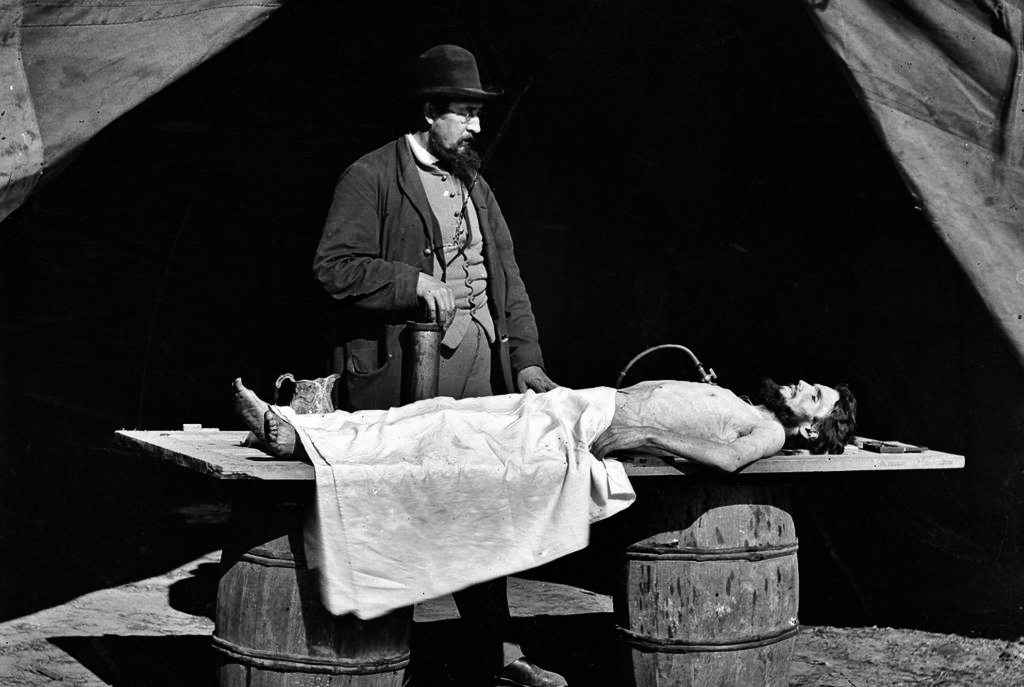
The Science of Embalming: A Deep Dive into Preservation Methods
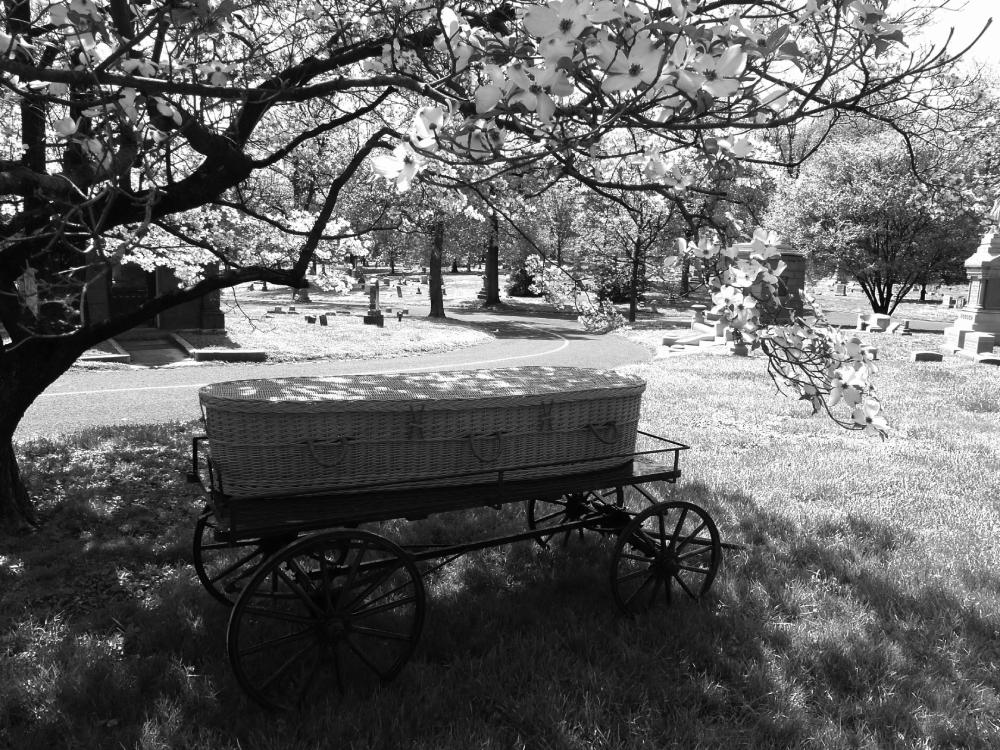
Eco-Friendly Burials: The Rise of Green Cemeteries
Bottom Line
Cemetery desecration and grave robbing are not merely crimes against property; they are violations of memory, culture, and history. From ancient Egyptian tomb raiders and Victorian body snatchers to modern vandals and artifact thieves, humanity’s relationship with the dead has often been marked by a tension between reverence and exploitation.
Yet these stories also reveal something profound about the living. How we treat burial grounds reflects how we value history, identity, and remembrance itself. Cemeteries are more than collections of graves. They are silent archives, preserving the narratives of generations long gone.
Protecting them is not simply about honouring the dead—it is about safeguarding the stories that continue to shape the living.
Leave a Reply