The Business of Death: How the Funeral Industry Has Evolved
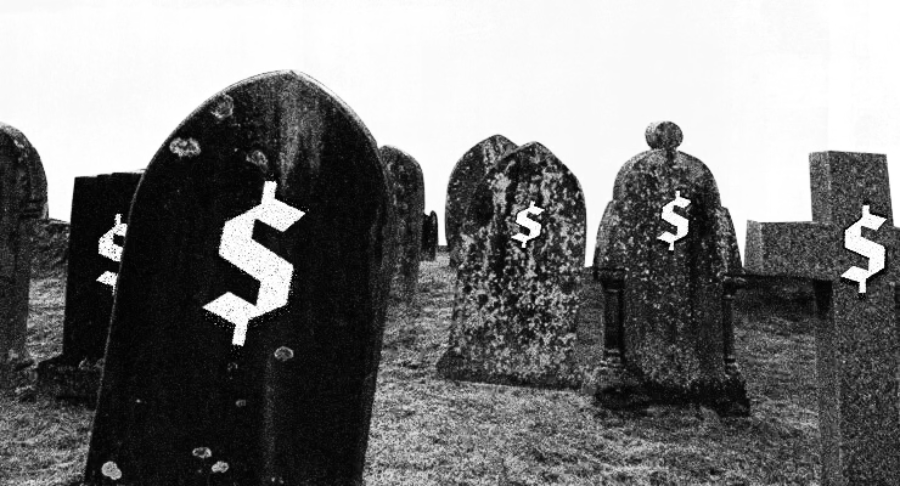
Let’s begin with an uncomfortable truth: death has always been personal—but it has rarely been private. Somewhere between grief and ritual, an entire industry quietly emerged, shaping how we mourn, remember, and, quite literally, bury our dead.
But here’s the question—when did death become a business?
From ancient burial rites to modern eco-friendly funerals, the funeral industry has undergone a dramatic transformation. What was once a sacred, community-driven act has evolved into a complex, multi-billion-euro global enterprise. And yet, beneath the polished coffins and carefully curated ceremonies lies a fascinating intersection of culture, commerce, and human psychology. So, let’s dig in—figuratively, of course.
Contents
- The Origins: Death Before Industry
- The Shift: Urbanisation and the Rise of Professional Death Care
- The Victorian Obsession: When Mourning Became Fashion
- The 20th Century: Industrialisation of Death
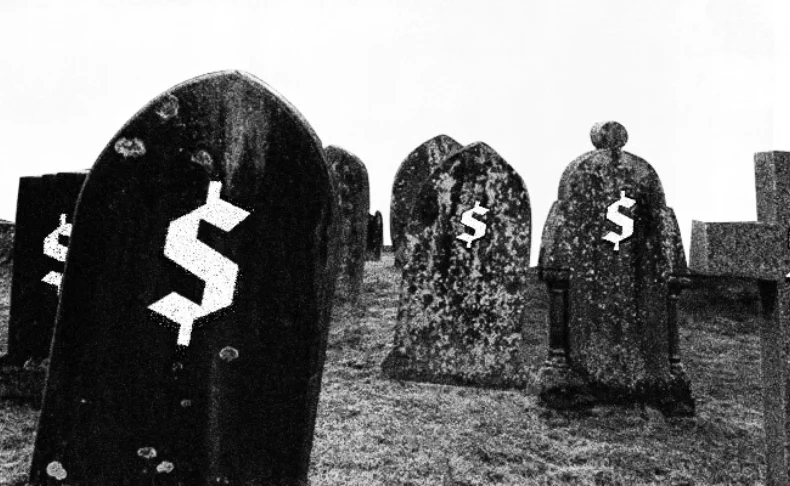
- The Economics of Grief: Why Funerals Are So Expensive
- Modern Disruption: The Rise of Alternative Death Care
- Cultural Shifts: Personalisation Over Tradition
- Technology and the Future of Death
- Ethics and the Business of Death
- Bottom Line
- FAQs
The Origins: Death Before Industry
Long before funeral homes and price lists, death was handled at home. Quite literally.
In ancient societies, burial practices were deeply embedded in religious and cultural frameworks. Families prepared the bodies, communities gathered, and rituals were performed collectively. Death was not outsourced—it was shared.
In ancient Egypt, burial was elaborate but still spiritually driven. Mummification wasn’t a “service”—it was a passage to the afterlife. In medieval Europe, bodies were often buried in churchyards, reinforcing the idea that death belonged within the community, not outside it.
There was no “industry” as we know it today. No sales pitches. No upgrades. No premium packages.
Just death—raw, immediate, and communal.
The Shift: Urbanisation and the Rise of Professional Death Care
Things began to change in the 18th and 19th centuries. And, unsurprisingly, cities were to blame.
As urban populations grew, death became… inconvenient. Overcrowded churchyards posed health risks, and handling the dead at home became less practical. Enter the first wave of professional death care.
Undertakers—originally furniture makers—began to take on a new role. Why furniture makers? Because coffins, as it turns out, were just another wooden product. A grim pivot, but a profitable one.
By the Victorian era, funerals had become elaborate social events. Mourning was no longer just emotional—it was performative. Black attire, ornate coffins, horse-drawn hearses—it all signaled status.
Death had entered the marketplace.
The Victorian Obsession: When Mourning Became Fashion
If you think modern funerals are expensive, the Victorians would like a word.
The 19th century saw the rise of what can only be described as “mourning culture on steroids.” Death was aestheticised. Ritualised. Monetised.
Families purchased elaborate mourning clothes, commissioned intricate gravestones, and staged funerals that bordered on theatrical productions. The longer and more elaborate the mourning period, the higher the social standing—or so it seemed.
It was during this period that funeral services began to standardise. Packages emerged. Costs became structured. And grief, subtly but unmistakably, became commodified.
Was it still about honouring the dead? Of course. But it was also about being seen doing so.
The 20th Century: Industrialisation of Death
Fast forward to the 20th century, and the funeral industry becomes unmistakably… corporate.
The rise of embalming, particularly after wartime practices, transformed how bodies were preserved and displayed. Funeral homes became more formalised, offering end-to-end services—from body preparation to burial logistics.
Death was no longer handled at home. It was managed.
And with management came pricing.
Funeral directors became intermediaries between grief and logistics. They handled everything—often shielding families from the more uncomfortable aspects of death. Convenient? Absolutely. But also distancing.
This era marked the full transition of death from a communal ritual to a professional service.
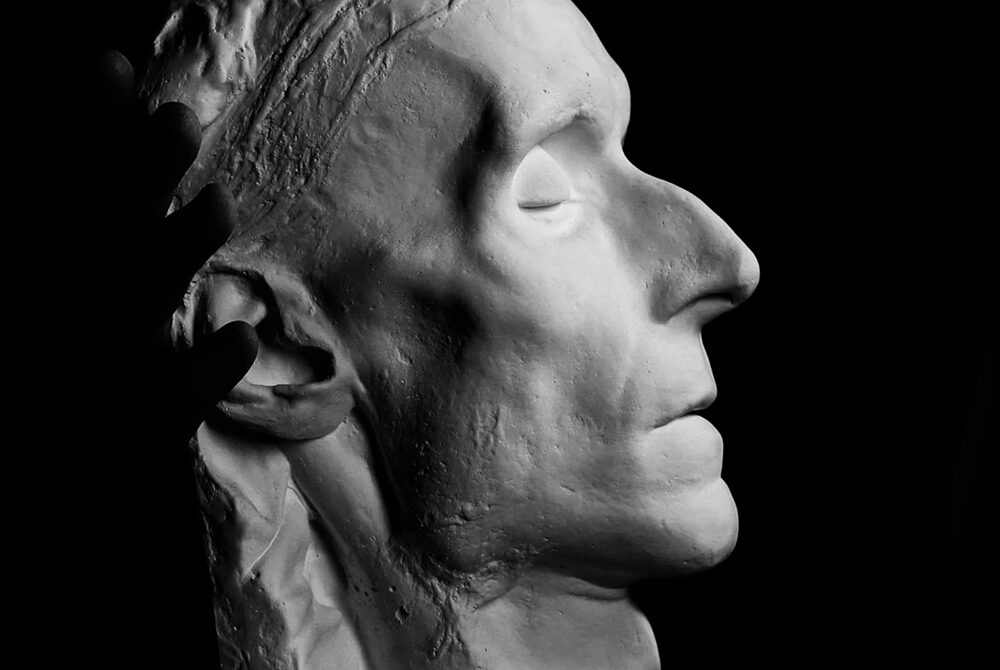
The Role of Death Masks in Preserving History and Identity
The Business of Death: How the Funeral Industry Has Evolved
The Economics of Grief: Why Funerals Are So Expensive
Let’s address the elephant in the room: funerals are expensive.
Why?
Part of the answer lies in emotional vulnerability. When people are grieving, they’re less likely to question costs. The industry, knowingly or not, operates within this delicate space.
Caskets, embalming, transportation, ceremony fees—it all adds up quickly. And often, families feel pressured to “do right” by their loved ones, equating cost with respect.
It’s a curious paradox. We want to honour the dead, but in doing so, we often engage in a system that quietly capitalises on our grief.
Is it exploitation? Or simply supply and demand meeting human emotion?
The answer, like death itself, is complicated.
Modern Disruption: The Rise of Alternative Death Care
In recent years, the funeral industry has begun to shift—again.
Enter the disruptors.
Direct cremation services, eco-burials, and DIY funerals are challenging traditional models. People are asking uncomfortable questions: Do we really need a €5,000 coffin? Is embalming necessary? Can death be simpler?
The answer, increasingly, is yes.
Green burials, for example, emphasise minimal environmental impact. Bodies are returned to the earth without chemicals, often in biodegradable shrouds. It’s less about preservation and more about… acceptance.
Then there’s the rise of digital memorials. Online spaces where people grieve, share memories, and commemorate lives without physical boundaries.
Death, it seems, is going digital.
Cultural Shifts: Personalisation Over Tradition
Modern funerals are becoming less about tradition and more about individuality.
Gone are the days of one-size-fits-all ceremonies. Today, funerals can look like anything—from solemn religious services to celebrations of life complete with music, storytelling, and even humour.
Why the shift?
Because people are rethinking what it means to remember someone. Is a rigid ceremony the best tribute? Or is a personalised experience more meaningful?
The industry has adapted accordingly, offering customisable services that reflect the deceased’s personality.
Ironically, personalisation has become another selling point.
Cemetery Desecration and Grave Robbing: A Historical and Modern Perspective
Who Owns the Dead? Legal & Moral Dilemmas in Cemetery Management
The Ethics of Cemetery Tourism: Respect vs. Curiosity
Technology and the Future of Death
If the past few decades have taught us anything, it’s that no industry is immune to technology—not even death.
Virtual funerals, live-streamed services, and digital legacy platforms are reshaping how we mourn. You no longer need to be physically present to say goodbye.
There are even AI-driven memorials that simulate conversations with the deceased. Yes, really.
It raises profound questions: Where does memory end and simulation begin? And how far should we go in preserving a digital version of someone?
The future of death may not be silent—it might just be… interactive.
Ethics and the Business of Death
With commercialisation comes ethical complexity.
Should profit have a place in death? Or is it an unavoidable reality?
On one hand, the industry provides essential services. On the other, it operates within one of the most emotionally charged moments of human life.
Transparency has become a key issue. Many countries now require funeral homes to disclose pricing upfront, aiming to protect consumers.
But the deeper question remains: Can death ever truly be separated from commerce?
Perhaps not.
Bottom Line
The evolution of the funeral industry tells us less about death and more about the living.
It reflects our fears, our values, and our relentless need to find meaning—even in endings. From communal burials to corporate services, from ornate Victorian rituals to minimalist eco-funerals, one thing remains constant: we want to remember.
The business of death isn’t going away. But it is changing—becoming more transparent, more personalised, and, perhaps, more aligned with how we actually want to say goodbye.
So the next time you think about funerals, ask yourself:
It’s fascinating how the funeral industry has quietly evolved alongside our changing cultural practices; I found some interesting historical context that complements this article well.