The Science of Embalming: A Deep Dive into Preservation Methods
Death is inevitable. Decay is equally certain. Yet for thousands of years, humans have attempted to slow, halt, or even reverse the visible effects of decomposition. Why? The answer lies somewhere between practicality, spirituality, and emotion.
Embalming is often viewed as a modern funeral practice, but its roots stretch deep into human history. From the elaborate mummification rituals of ancient Egypt to the sophisticated chemical techniques used in funeral homes today, embalming represents one of humanity’s oldest attempts to preserve both memory and dignity in death.
But what exactly happens during embalming? How does it work? And why has this practice endured despite changing cultural attitudes toward death?
The science of embalming is far more fascinating than many realize. It sits at the intersection of chemistry, biology, medicine, anthropology, and funeral studies. In many ways, an embalmed body is like a historical manuscript preserved in a climate-controlled archive—protected from the natural forces that would otherwise erase it.
Let’s explore the remarkable science behind one of the world’s oldest preservation techniques.
Contents
- What Is Embalming?
- The Biology of Decomposition
- A Brief History of Embalming
- The Chemistry Behind Embalming
- The Embalming Procedure Step by Step
- Specialised Preservation Methods
- The Role of Embalming in Modern Funerals
- Environmental Concerns and Criticism
- Green Alternatives to Traditional Embalming
- The Ethics of Preserving the Dead
- The Future of Embalming
- Bottom Line
- FAQs
What Is Embalming?
At its core, embalming is the process of preserving human remains by delaying decomposition.
The objective is not immortality. No preservation method can stop decay forever. Instead, embalming temporarily slows the biological and chemical processes that begin immediately after death.
Modern embalming serves several purposes:
- Preserving the body for viewing and funeral services
- Delaying decomposition during transportation
- Reducing health risks associated with bodily fluids
- Restoring a natural appearance to the deceased
- Allowing time for relatives to gather and say goodbye
Think of embalming as pressing the “pause” button on nature’s clock. The clock never truly stops ticking, but it slows considerably.
The Biology of Decomposition
To understand embalming, we first need to understand what happens after death.
The moment life ends, millions of microscopic workers begin dismantling the body.
The process starts with autolysis, often called self-digestion. Cells contain enzymes that help maintain life while we are alive. After death, these same enzymes begin breaking down cellular structures from within.
Soon after comes putrefaction, the stage most people associate with decomposition. Bacteria naturally present in the intestines spread throughout the body, feeding on tissues and producing gases.
Several factors influence the speed of decomposition:
- Temperature
- Humidity
- Body composition
- Cause of death
- Presence of microorganisms
- Environmental conditions
Without intervention, decomposition is inevitable. Embalming aims to interrupt these processes by creating an environment hostile to bacteria and enzymes.
A Brief History of Embalming
Long before chemistry laboratories and funeral homes existed, ancient civilisations experimented with preservation.
Ancient Egypt: Masters of Preservation
When people think of embalming, they usually picture Egyptian mummies.
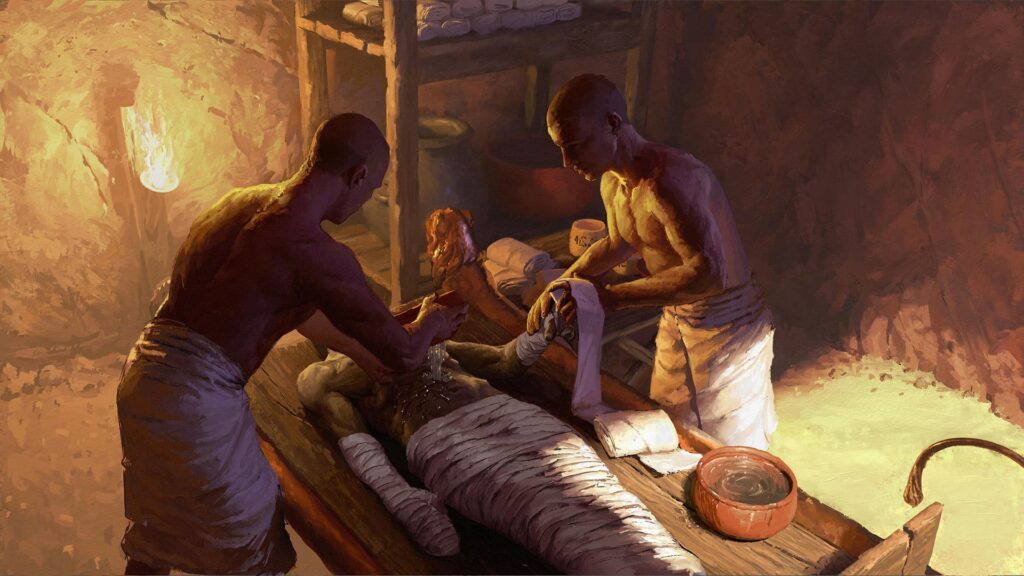
Ancient Egyptians believed that preserving the body was essential for the soul’s journey into the afterlife. Their mummification process involved removing internal organs, dehydrating the body with natron salts, and wrapping it in linen.
Remarkably, some mummies remain preserved after more than three thousand years.
The Egyptians may not have understood microbiology, but through observation and experimentation, they discovered methods that effectively inhibited decomposition.
Ancient South America
The Chinchorro people of present-day Chile and Peru practiced artificial mummification thousands of years before the Egyptians.
Their techniques included removing soft tissues, reinforcing skeletons, and reconstructing bodies with clay and plant fibers.
These early preservation methods reveal a universal human desire to maintain a connection with the dead.
The Modern Era
Modern embalming emerged during the nineteenth century.
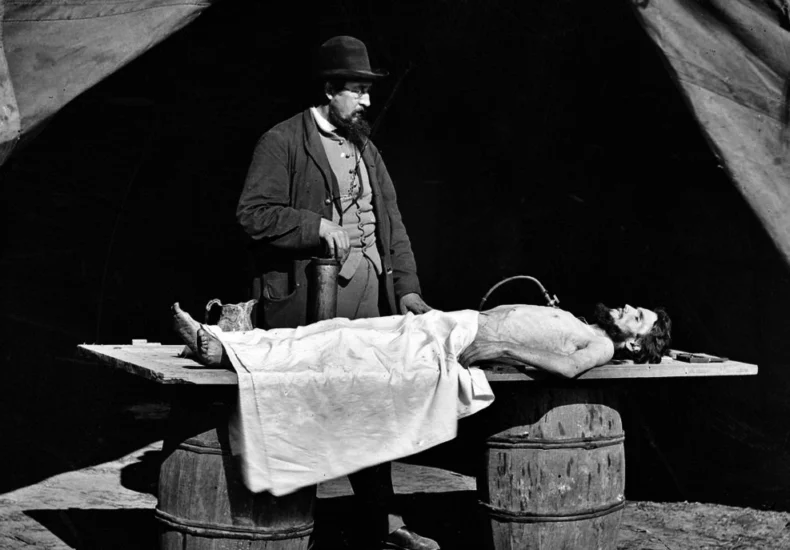
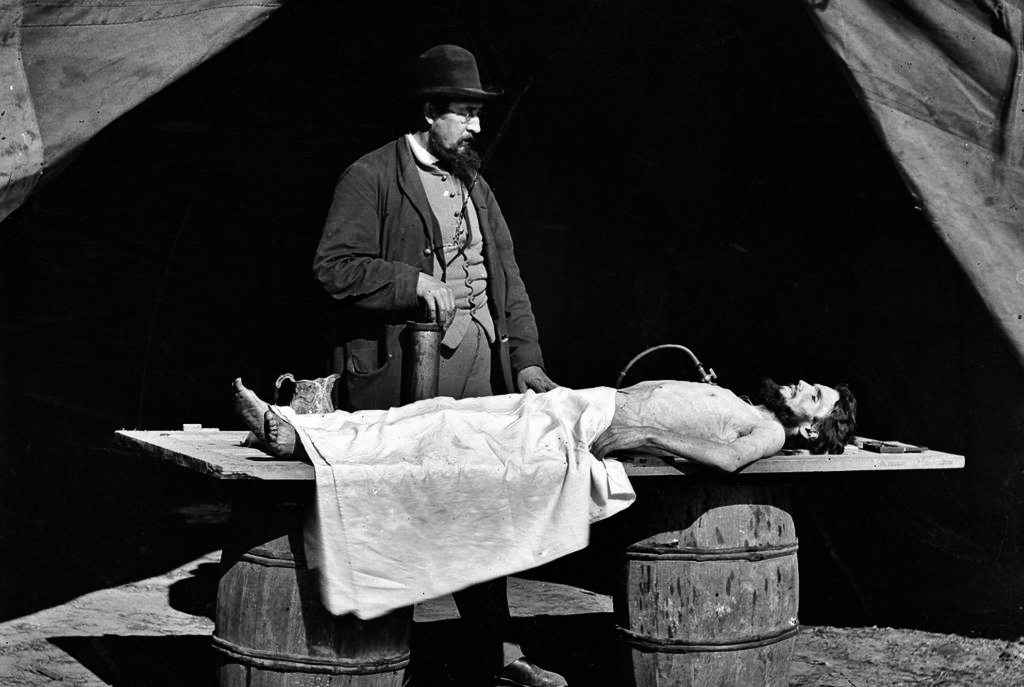
The American Civil War played a major role in its development. Soldiers often died far from home, creating a need to preserve bodies during transportation.
Advances in chemistry soon transformed embalming into a scientific discipline. Professional embalmers developed standardised techniques that continue to evolve today.
The Chemistry Behind Embalming
The real magic—or science—of embalming lies in chemistry.
The primary goal is to replace blood and bodily fluids with preservative chemicals.
The most well-known embalming chemical is formaldehyde.
Formaldehyde works by bonding with proteins in body tissues. This process, called fixation, stabilises cells and makes them resistant to bacterial attack.
In simple terms, formaldehyde transforms soft, vulnerable tissues into structures that are far less attractive to microorganisms.
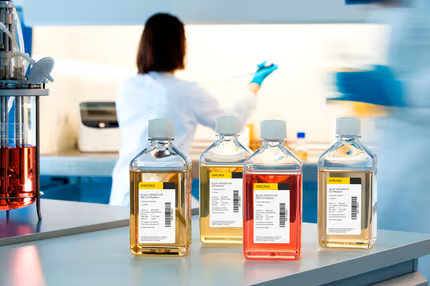
Modern embalming fluids may also contain:
- Methanol
- Ethanol
- Phenol
- Glutaraldehyde
- Humectants
- Dyes
- Disinfectants
Each ingredient serves a specific purpose, from preservation to cosmetic enhancement.
The chemical cocktail used depends on factors such as age, health condition, and the desired preservation period.
The Embalming Procedure Step by Step
Many people know embalming exists but have little idea what actually occurs.
The process is highly methodical and surprisingly scientific.
Step 1: Sanitation and Preparation
The body is thoroughly washed and disinfected.
Hair may be cleaned and styled. Facial features are positioned to create a peaceful appearance.
This stage combines hygiene with preparation for preservation.
Step 2: Arterial Embalming
Arterial embalming forms the foundation of modern preservation.
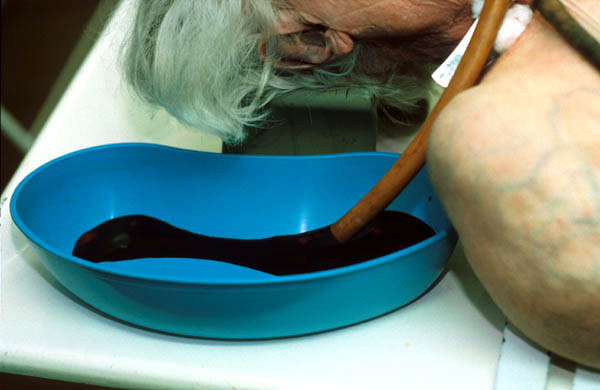
An embalmer accesses a major artery and injects embalming fluid through the circulatory system.
At the same time, blood is drained through a nearby vein.
This process allows preservative chemicals to reach tissues throughout the body.
The circulatory system essentially becomes a delivery network for preservation.
Step 3: Cavity Embalming
Internal organs present unique preservation challenges.
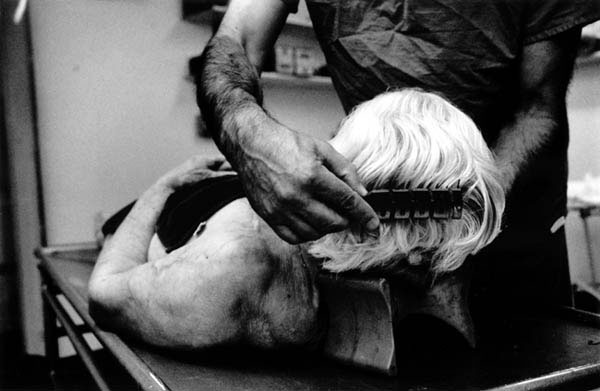
A specialised instrument called a trocar is used to remove gases and fluids from the body cavities.
Concentrated chemicals are then introduced directly into these areas.
This step targets regions where bacterial activity tends to be highest.
Step 4: Cosmetic Restoration
Embalming is not solely about preservation.
Funeral professionals often perform restorative procedures to improve appearance.
Cosmetics may be applied to restore skin tone. Features may be adjusted to create a natural expression.
This aspect reflects the emotional dimension of embalming. The goal is not merely preservation but presentation.
Specialised Preservation Methods
Not all embalming techniques are identical.
Different situations require different approaches.
Hypodermic Embalming
Certain areas may not receive sufficient arterial fluid.
In these cases, preservatives are injected directly into tissues using hypodermic needles.
This method acts like targeted reinforcement for vulnerable regions.
Surface Embalming
Some conditions affect only specific external areas.
Chemical gels, powders, or compresses may be applied directly to the skin.
Surface embalming provides localised preservation when needed.
Anatomical Embalming
Medical schools often preserve bodies for education and research.
These procedures prioritise long-term preservation over appearance.
Some anatomical specimens remain usable for years.
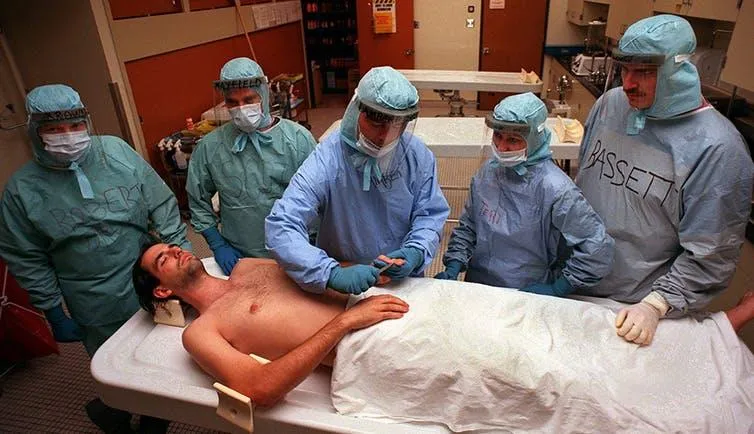
The Role of Embalming in Modern Funerals
Many people assume embalming is legally required.
In most countries, it is not.
Instead, embalming is typically chosen for practical reasons.
These may include:
- Public viewings
- Delayed funerals
- International transportation
- Religious or cultural preferences
In some cases, families simply find comfort in seeing a loved one appear peaceful and well cared for.
Embalming can provide valuable time during the grieving process.
Environmental Concerns and Criticism
Like many modern practices, embalming has attracted scrutiny.
Formaldehyde is effective, but it is also a chemical with environmental implications.
Each year, thousands of liters of embalming fluid enter cemeteries worldwide.
Critics argue that traditional embalming contributes to:
- Soil contamination
- Groundwater concerns
- Resource consumption
- Increased burial costs
As environmental awareness grows, alternative preservation methods are gaining popularity.
Cemetery Desecration and Grave Robbing: A Historical and Modern Perspective
Who Owns the Dead? Legal & Moral Dilemmas in Cemetery Management
Green Alternatives to Traditional Embalming
The rise of green burial movements has encouraged innovation.
Several alternatives now exist.
Natural Burial
Natural burials avoid embalming entirely.
Bodies are placed in biodegradable shrouds or caskets and allowed to decompose naturally.
This approach emphasises ecological sustainability.
Refrigeration
Temporary refrigeration can preserve remains without chemicals.
Many funeral facilities use refrigeration when embalming is unnecessary.
Alkaline Hydrolysis
Sometimes called water cremation, this process uses water, heat, and alkaline compounds to accelerate natural decomposition.
It is often promoted as a more environmentally friendly alternative.
Natural Organic Reduction
Also known as human composting, this method converts human remains into nutrient-rich soil.
Though controversial in some regions, it reflects changing attitudes towards death and sustainability.
The Ethics of Preserving the Dead
Embalming raises fascinating ethical questions.
Should the dead be preserved at all?
Does embalming help families grieve, or does it create an artificial distance from the reality of death?
There are no universal answers.
For some, embalming represents respect and care. For others, it feels unnecessary or environmentally problematic.
These debates reflect broader cultural attitudes toward mortality.
How we preserve the dead often reveals how we understand life itself.
Cremation Ashes and the Environment: Myths and Facts
The Science of Embalming: A Deep Dive into Preservation Methods
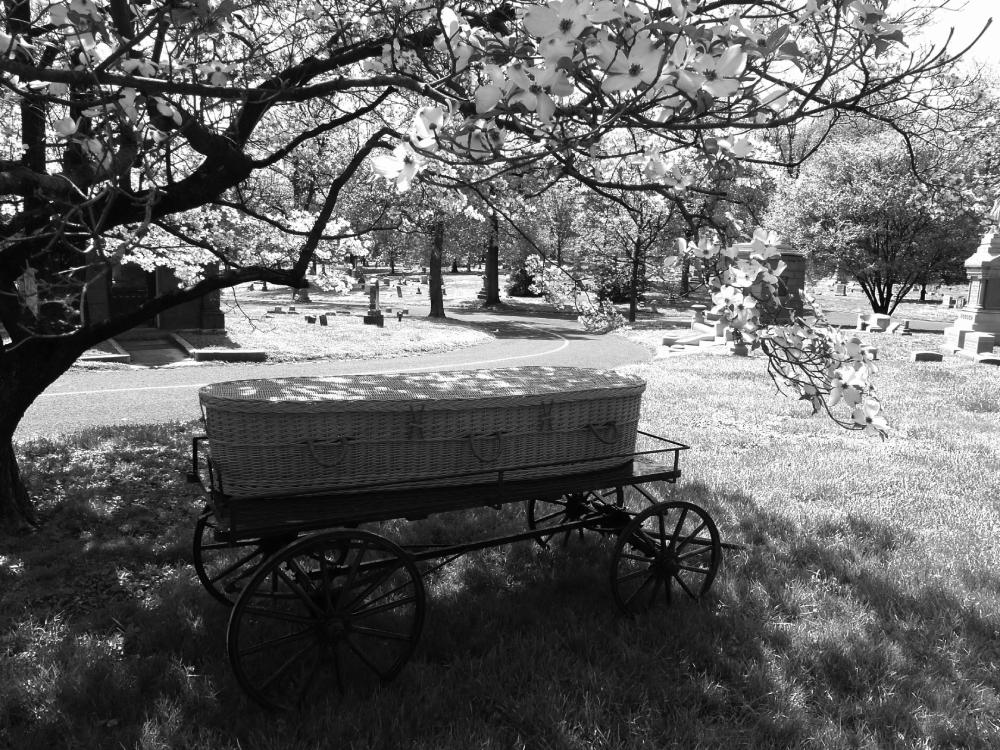
Eco-Friendly Burials: The Rise of Green Cemeteries
The Future of Embalming
The future of embalming will likely be shaped by three forces:
- Scientific innovation
- Environmental sustainability
- Cultural change
Researchers continue developing safer preservation chemicals with reduced environmental impact.
Funeral consumers increasingly seek personalised and eco-conscious options.
At the same time, advances in restorative techniques and preservation science continue to improve traditional embalming methods.
The future may not replace embalming entirely. Instead, it will likely expand the choices available to families.
Bottom Line
The science of embalming is a remarkable blend of chemistry, biology, history, and human emotion. While often hidden behind the scenes of funeral services, embalming represents one of humanity’s most enduring efforts to resist the relentless march of time.
From Egyptian mummies to modern funeral homes, preservation methods have evolved dramatically, yet the underlying purpose remains unchanged: to provide dignity, remembrance, and a brief pause before nature resumes its course.
Whether viewed as a scientific achievement, a cultural tradition, or an ethical question, embalming continues to occupy a unique place in the story of how humans confront mortality.
Leave a Reply