
Cemetery Soil Science: How Burials Affect the Land Over Time
Cemeteries are often regarded as places of remembrance, history, and quiet contemplation. Their carefully arranged headstones, shaded pathways, and centuries-old monuments tell stories about the people who once inhabited the world above ground. Yet beneath this peaceful landscape, another story unfolds. It is a story written in soil, microorganisms, chemical reactions, groundwater, and the slow processes of decomposition.
Every burial introduces organic matter into the earth, initiating a complex series of biological and chemical transformations. As the human body decomposes, its constituent elements interact with surrounding soil, influence microbial communities, and gradually become part of the wider environment. These processes are natural, but their cumulative effects can become significant, particularly in cemeteries that accommodate large numbers of burials over extended periods.
So, what actually happens to cemetery soil over time? Does the ground change chemically? Can burial practices affect groundwater quality? And how does a cemetery containing thousands of graves influence the surrounding ecosystem?
Understanding cemetery soil science requires looking beyond individual graves. It means examining the relationship between human decomposition, soil ecology, geology, hydrology, and land management. After all, a cemetery is not simply a place where the dead rest. It is also a living environmental system.
What Happens to Soil When a Body Is Buried?
The decomposition of a human body is a natural biological process involving microorganisms, enzymes, insects, and environmental conditions. Once a body is buried, its organic components gradually break down, releasing substances into the surrounding soil.
The process begins with autolysis, during which the body’s own enzymes break down cells and tissues. Bacteria, particularly those originating in the digestive system, subsequently contribute to decomposition by metabolising organic material. As tissues break down, they release water, carbon compounds, nitrogen, phosphorus, potassium, and other mineral elements.
These substances enter the surrounding burial environment, although their movement and eventual fate depend heavily on soil characteristics.
For example, nitrogen released during decomposition may undergo ammonification, producing ammonium. Under suitable conditions, soil microorganisms can subsequently convert ammonium into nitrite and nitrate through nitrification. These nitrogen compounds may be absorbed by plants, retained in the soil, or transported through groundwater.
Phosphorus, meanwhile, can bind to soil minerals, particularly iron and aluminium compounds, making its movement dependent on soil chemistry. Potassium and other dissolved elements may also migrate away from the immediate burial environment.
The important distinction is that decomposition does not simply make a body disappear. It transforms organic material into substances that become incorporated into existing ecological cycles.
The soil effectively becomes part of the decomposition system, providing microorganisms, moisture, minerals, and a physical environment in which these transformations occur.
The Role of Soil Composition in Cemetery Decomposition
Not all cemeteries experience decomposition in the same way. Soil composition is one of the most important factors determining how quickly organic material breaks down and whether substances released during decomposition remain underground or migrate elsewhere.
Three major soil characteristics deserve particular attention.
Soil Texture and Permeability
Soil texture refers to the relative proportions of sand, silt, and clay.
Sandy soils generally have larger particles and greater permeability. Water can move through them relatively quickly, potentially transporting dissolved substances away from burial sites.
Clay-rich soils behave differently. Their smaller particles create tighter structures, often reducing water movement. Clay also possesses a relatively high capacity to retain certain nutrients and chemical compounds.
Neither condition is automatically ideal. Highly permeable soils may allow contaminants to migrate more readily, while poorly drained clay soils can create saturated conditions that restrict oxygen availability and alter decomposition processes.
Loamy soils, which contain a more balanced mixture of sand, silt, and clay, often provide favourable conditions for plant growth and microbial activity. However, their suitability for cemetery development still depends on local geology, groundwater depth, and drainage.
Soil pH and Chemical Conditions
Soil pH influences microbial activity, nutrient availability, and the mobility of certain chemical elements.
Most decomposition-related microbial processes occur within a relatively broad range of environmental conditions, although particular microorganisms favour different pH levels.
Acidic soils can also influence the preservation of human remains. For example, acidic conditions may accelerate the dissolution of bone mineral, potentially reducing the long-term preservation of skeletal material.
In contrast, alkaline environments can favour the preservation of certain mineral components under suitable conditions.
This helps explain why archaeological remains survive remarkably well in some burial environments but deteriorate almost completely in others.
Moisture and Oxygen Availability
Water is essential for many biological and chemical processes involved in decomposition. However, excessive moisture can create oxygen-poor conditions.
In well-drained soils, oxygen supports aerobic microorganisms that contribute to organic matter breakdown. In waterlogged environments, oxygen becomes limited, encouraging anaerobic microbial processes.
These conditions can change the chemical products of decomposition, including the production of gases such as methane under suitable circumstances.
Consequently, groundwater levels and drainage patterns are critical considerations when assessing the environmental suitability of cemetery land.
Necroleachate: The Chemical Footprint of Human Decomposition
One of the most important concepts in cemetery soil science is necroleachate, sometimes referred to as cadaveric leachate.
Necroleachate is the liquid produced during the decomposition of human remains. It contains water, dissolved organic compounds, mineral ions, and other substances released as tissues break down. Its composition changes throughout decomposition and depends on the characteristics of the body and its surrounding environment.
Why does this matter? Because liquids do not necessarily remain where they originate.
As rainfall infiltrates the soil, it can interact with decomposition products and transport dissolved substances through the ground. Depending on local geological conditions, these substances may become trapped in soil particles, undergo chemical transformations, or eventually reach groundwater.
Among the substances potentially associated with cemetery leachate are:
- Nitrogen compounds: Ammonium, nitrite, and nitrate released through organic matter decomposition.
- Phosphorus: Derived primarily from skeletal material and other organic components.
- Chlorides: Dissolved salts that can contribute to changes in groundwater chemistry.
- Calcium and potassium: Mineral elements released during decomposition.
- Organic compounds: Substances produced through the breakdown of proteins, fats, and carbohydrates.
- Microorganisms: Including bacteria and other biological agents associated with decomposition.
Research published in the Journal of Water and Health by Żychowski and Bryndal (2015) reviewed evidence concerning the potential contamination of groundwater by microorganisms originating from cemeteries. The researchers highlighted the importance of environmental conditions in determining whether microorganisms can migrate through underground water systems.
However, an important distinction deserves emphasis: the presence of potential contaminants does not automatically mean that a cemetery is polluting its surroundings. Soil has considerable natural filtering and chemical-retention capabilities. Environmental risk depends on whether these natural processes can adequately contain and transform substances released during decomposition.
The Science of Embalming: A Deep Dive into Preservation Methods
Eco-Friendly Burials: The Rise of Green Cemeteries
How Cemeteries Can Affect Groundwater Quality
Although soil is the first environmental system to interact with decomposition products, groundwater is often the primary concern in cemetery environmental assessments.
Groundwater exists beneath the earth’s surface, occupying spaces between soil particles, sediment, and fractured rock. It supplies drinking water, supports ecosystems, and contributes to the functioning of rivers and wetlands.
When substances released during decomposition migrate downward, they may eventually reach these underground water reserves.
This process is influenced by several factors.
The Depth of the Water Table
The water table marks the upper boundary of the saturated underground zone. If it lies close to the bottom of a grave, there may be insufficient soil available to filter and transform decomposition products before they reach groundwater.
Conversely, a sufficiently deep unsaturated zone can provide additional opportunities for filtration, adsorption, microbial degradation, and chemical reactions.
This is one reason why cemetery site selection requires careful hydrogeological assessment.
Groundwater Movement
Groundwater does not remain stationary. It moves through geological formations according to hydraulic gradients, permeability, and other geological characteristics.
If decomposition products enter groundwater, they can potentially migrate away from the original burial location.
The resulting contamination may form a plume, meaning an area where concentrations of particular substances are elevated relative to background conditions.
The direction and extent of such a plume depend on groundwater flow, the characteristics of the aquifer, rainfall infiltration, and the chemical behaviour of the substances involved.
The Importance of Geological Formations
A cemetery situated over porous sandstone may behave differently from one established over fractured limestone.
Porous formations can filter certain microorganisms and particles as water passes through them. However, fractured rock and karst formations can allow relatively rapid groundwater movement through interconnected openings.
This may reduce the opportunity for natural filtration.
The UK Environment Agency’s groundwater assessment guidance identifies factors such as burial density, soil permeability, geological characteristics, and groundwater depth as important considerations when evaluating cemetery-related environmental risks.
The lesson is straightforward: the environmental impact of a cemetery cannot be assessed simply by counting graves. We must also understand what lies beneath them.
Do Cemeteries Change Soil Fertility?
Here is an interesting environmental paradox: human decomposition releases nutrients that are essential to plant growth.
Nitrogen, phosphorus, potassium, and calcium all contribute to soil fertility. These elements are involved in plant development, root growth, photosynthesis, and numerous biological processes.
In theory, decomposition can therefore enrich surrounding soil with nutrients.
However, nutrient enrichment is not necessarily beneficial in every situation.
An excessive concentration of nutrients can disturb the natural chemical balance of soil and water. For example, nitrate may migrate into groundwater, while nutrient-rich runoff entering nearby surface waters can contribute to eutrophication.
Eutrophication occurs when excessive nutrient availability stimulates algal and aquatic plant growth. As this organic material decomposes, oxygen levels in the water can decline, potentially affecting fish and other aquatic organisms.
Nevertheless, it would be misleading to assume that every cemetery produces measurable nutrient pollution or that plants growing above graves necessarily benefit from decomposition.
The relationship is considerably more complicated.
Nutrients may remain concentrated near burial sites, become immobilised through chemical reactions, enter plant tissues, or migrate through the soil profile. Their availability depends on microbial activity, soil pH, moisture, temperature, and the chemical properties of the surrounding environment.
A cemetery is therefore better understood as a landscape with potentially altered nutrient cycles rather than simply a fertilised garden.
How Coffins, Embalming, and Burial Materials Influence Soil
Human remains are not always buried directly in contact with surrounding soil. Coffins, burial vaults, clothing, embalming products, and decorative materials can all influence the decomposition environment.
These materials introduce additional variables into cemetery soil science.
Wooden Coffins
Traditional wooden coffins gradually decompose through microbial activity. Their breakdown introduces additional organic matter into the burial environment.
The rate depends on wood species, treatment, moisture, oxygen availability, and the construction of the coffin.
Some untreated woods break down relatively readily, while chemically treated or heavily coated materials may persist longer.
Metal Coffins and Burial Hardware
Metal components can undergo corrosion, releasing metal ions into the surrounding environment.
The rate of corrosion depends on soil acidity, moisture, oxygen availability, and the chemical properties of the metal.
Burial hardware, coffin fittings, and other metallic components may therefore contribute to the chemical composition of cemetery soils.
Embalming Chemicals
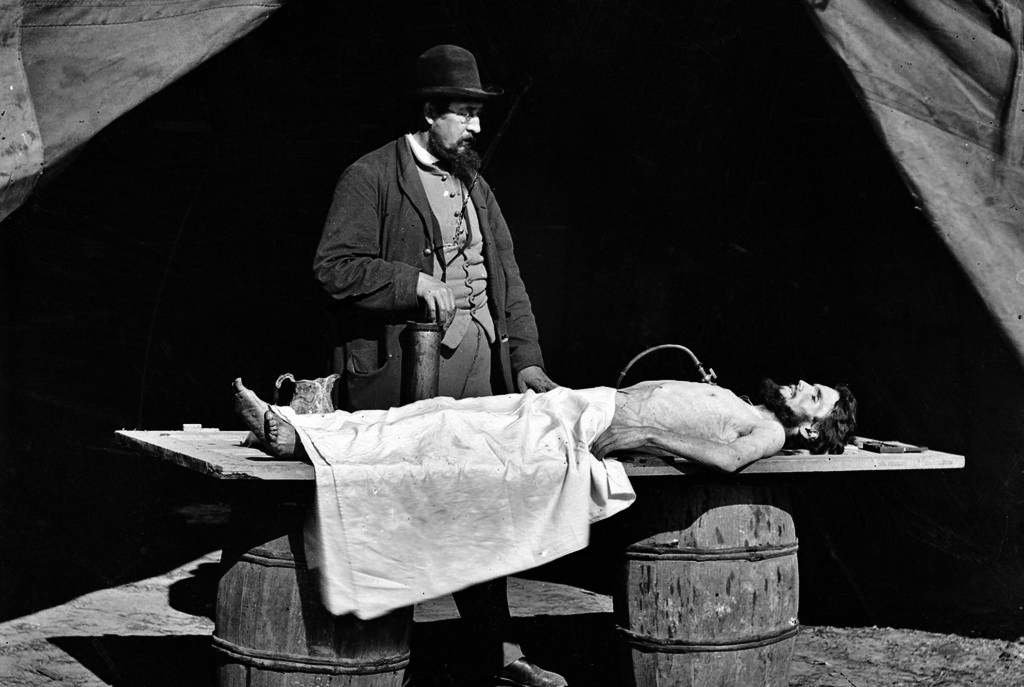
Embalming is intended to delay decomposition and preserve the appearance of the body for funeral purposes.
Formaldehyde is among the chemicals commonly associated with conventional embalming practices. It can also be present in certain funeral products and materials.
Its environmental behaviour depends on concentration, soil conditions, microbial activity, and other factors.
Importantly, the presence of embalming chemicals does not mean that every conventional burial produces significant contamination. Their potential environmental contribution needs to be evaluated in the context of the entire burial system.
Concrete Burial Vaults
Burial vaults create a physical separation between coffins and surrounding soil.
They may alter moisture movement, oxygen availability, and the physical conditions surrounding decomposition.
Concrete itself can also influence local soil chemistry through interactions involving alkaline compounds.
Consequently, burial materials are not merely architectural accessories. They are part of the environmental equation.
The Cumulative Environmental Impact of Large Cemeteries
A single burial introduces a relatively small quantity of organic material into the environment. However, cemeteries are rarely concerned with individual burials alone.
Consider a historic cemetery containing several thousand graves, with new burials taking place over decades or even centuries.
Each burial introduces organic matter, minerals, and potentially other chemical substances into the ground. Over time, repeated inputs can influence local soil chemistry and groundwater quality.
This is known as a cumulative environmental impact.
The relationship between burial density and environmental contamination is not necessarily linear. A cemetery with thousands of graves in a well-drained location with suitable geological conditions may present fewer environmental concerns than a smaller burial ground situated above a vulnerable aquifer.
A particularly useful example comes from a 2023 study published in Environmental Monitoring and Assessment, titled Evaluating the Impact of a Cemetery on Groundwater by Multivariate Analysis.
The researchers examined groundwater monitoring data collected between 2007 and 2018, combining chemical, microbiological, hydrological, and geotechnical information.
Their findings illustrate why environmental assessments need to consider several interacting variables rather than attributing every variation in groundwater quality directly to cemetery activity. Rainfall and other environmental influences can also affect measured water characteristics.
This is particularly important for historic cemeteries, where burial records may span generations and environmental monitoring may never have been conducted.
A cemetery’s age alone cannot tell us whether it represents an environmental risk. Its geological setting, burial history, drainage infrastructure, and surrounding land use are equally important.
Cemeteries as Ecosystems: What Happens to the Surrounding Environment?
There is another side to cemetery soil science that deserves attention: cemeteries can function as valuable ecological spaces.
Despite their association with death, many historic burial grounds support surprisingly diverse living ecosystems.
Mature trees, shrubs, grasses, mosses, lichens, fungi, insects, and birds can inhabit cemetery landscapes. In heavily urbanised areas, these green spaces may provide important habitats for wildlife.
Trees and Vegetation
Trees contribute organic matter through fallen leaves, branches, and root turnover. Their roots influence soil structure, improve water infiltration, and create habitats for microorganisms.
Vegetation can also absorb nutrients from the soil, potentially reducing the movement of certain dissolved compounds.
However, trees planted too close to historic monuments can create conservation challenges. Root systems may disturb foundations, displace gravestones, and alter the physical stability of burial structures.
Microorganisms and Soil Biodiversity
Healthy soil contains an extraordinary variety of bacteria, fungi, and other microorganisms.
These organisms decompose organic matter, recycle nutrients, and contribute to soil formation.
Cemetery environments provide different microhabitats depending on vegetation cover, soil disturbance, shade, moisture, and burial density.
The relationship between burial activity and microbial diversity is still an area where further research would be valuable. It would be simplistic to assume that decomposition necessarily increases overall soil biodiversity.
Cemeteries as Urban Green Infrastructure
Historic cemeteries can also contribute to urban environmental resilience.
Their vegetation helps regulate local temperatures, intercept rainfall, store carbon, and provide green corridors through densely developed neighbourhoods.
In this sense, cemeteries occupy an unusual position in urban planning: they are simultaneously memorial landscapes, cultural heritage sites, and ecological infrastructure.
Their environmental value extends well beyond the ground beneath individual graves.
Sustainable Cemeteries: Can Burial Practices Become More Environmentally Responsible?
As urban populations grow and available burial space becomes increasingly limited, cemetery management faces a complicated challenge: how can societies accommodate traditional burial practices without placing unnecessary pressure on the environment?
The answer involves more than replacing conventional coffins with biodegradable alternatives.
Sustainable cemetery management begins with understanding the characteristics of the land itself.
Several measures can help reduce environmental risks.
1. Appropriate site selection
New cemeteries should be located following detailed geological and hydrogeological investigations. Areas with vulnerable groundwater, flooding risks, or unsuitable soil conditions require particular attention.
2. Groundwater monitoring
Regular monitoring can help identify changes in groundwater chemistry and microbiological characteristics. This is particularly important for large cemeteries and those located near drinking-water sources.
3. Responsible drainage management
Drainage systems should prevent uncontrolled water accumulation and minimise the movement of potentially contaminated substances into surrounding environments.
4. Environmentally conscious burial materials
Untreated biodegradable materials can reduce the introduction of certain persistent synthetic substances into the burial environment. However, their overall environmental performance still depends on local soil and groundwater conditions.
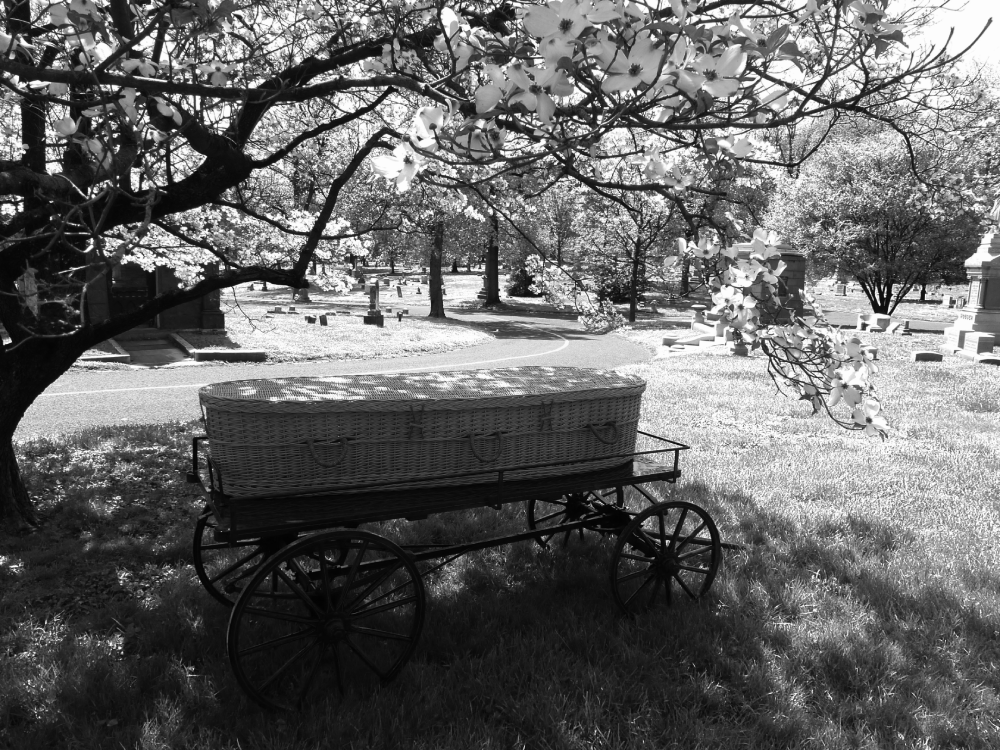
5. Green burial practices
Natural burial approaches generally seek to minimise the use of embalming chemicals, conventional burial vaults, and non-biodegradable materials.
They can offer environmental advantages, although they do not eliminate the need for appropriate site assessment and groundwater protection.
The UK Environment Agency provides particularly useful guidance on cemetery environmental management. Its recommendations include maintaining appropriate distances from watercourses and groundwater sources, avoiding flood-prone land, and ensuring sufficient separation between grave bases and the highest anticipated groundwater level.
Ultimately, sustainable burial is not simply about choosing a greener coffin. It requires treating cemeteries as long-term land-use systems that demand scientific planning and responsible management.
What Can Archaeological Cemeteries Teach Us About Soil and Decomposition?
Historic cemeteries and archaeological burial sites provide something modern environmental laboratories cannot easily reproduce: evidence of how burial environments behave over decades, centuries, and sometimes millennia.
Archaeologists regularly examine soil conditions, skeletal remains, grave goods, and burial structures to reconstruct past environments and understand human history.
The preservation of human remains is particularly revealing.
For example, acidic soils can accelerate the dissolution of bone mineral, while certain alkaline and mineral-rich environments may favour skeletal preservation.
Waterlogged conditions can also produce unusual preservation outcomes. When oxygen availability is limited, some microorganisms responsible for decomposition become less active, potentially allowing certain organic materials to survive.
In exceptional circumstances, naturally occurring chemical and environmental conditions can preserve soft tissues, textiles, and other materials for remarkably long periods.
Burial environments can also reveal information about historical land use, agricultural practices, disease patterns, and environmental conditions.
The chemistry of grave soils may contain traces of past activities, while skeletal remains can provide evidence of diet, health, occupation, and population movement.
This makes cemetery soil science particularly valuable to interdisciplinary research.
It connects environmental science with archaeology, forensic anthropology, history, and bioarchaeology. The grave becomes an archive, although its records are written in minerals, microorganisms, and chemical transformations rather than ink.
Bottom Line
Cemeteries are often understood through their visible features: monuments, sculptures, inscriptions, trees, and carefully maintained pathways. Yet their environmental significance extends far beneath the surface.
Human decomposition introduces organic matter and mineral elements into the soil, influencing microbial activity, nutrient cycling, and potentially groundwater chemistry. Soil composition, moisture, oxygen availability, geology, and burial materials determine how these substances move and transform over time.
The cumulative effects of thousands of burials can create environmental challenges, particularly when cemeteries occupy locations with vulnerable groundwater or unsuitable drainage conditions. At the same time, burial grounds can support biodiversity, preserve cultural landscapes, and provide valuable green spaces within urban environments.
Understanding these relationships is essential for protecting both natural resources and historical heritage.
Perhaps the most fascinating lesson is that cemeteries are never truly static. Even when the monuments remain unchanged for centuries, the ground beneath them continues to transform. The dead become part of the earth’s natural cycles, while the landscape above continues to support life.
A cemetery, then, is not merely a place where the past is preserved. It is a place where biology, geology, history, and ecology meet.
FAQs
Academic References and Further Reading
For readers interested in exploring the scientific literature behind this subject, the following publications and resources provide a useful starting point:
1. Żychowski, J. (2012). Impact of cemeteries on groundwater chemistry: A review. Catena, 93, 29–37. Read the research.
2. Żychowski, J., & Bryndal, T. (2015). Impact of cemeteries on groundwater contamination by bacteria and viruses: A review. Journal of Water and Health, 13(2), 285–301. Read the research.
3. Silva, L. F. et al. (2012). Burial grounds’ impact on groundwater and public health: An overview. Water and Environment Journal. Read the publication.
4. Evaluating the impact of a cemetery on groundwater by multivariate analysis (2023). Environmental Monitoring and Assessment. Read the research.
5. UK Environment Agency. Protecting groundwater from human burials. Updated 2026. Read the official guidance.
6. UK Environment Agency. Cemeteries and burials: Groundwater risk assessments. Read the technical guidance.
Leave a Reply